Collectibles and 100 Percent Completion
Collectibles turn a level you finished into a level you want to finish properly. Here is how to place, count and track them so completionists stay happy.
Key takeaways
- Every collectible needs a stable id, a per-level count and a running total that are saved together.
- Mix visible-but-tricky pickups with a few hidden ones, and give each level a known total so players know when they are done.
- Completion breaks when ids change between builds, when items respawn wrong or when one collectible becomes missable; plan for all three.
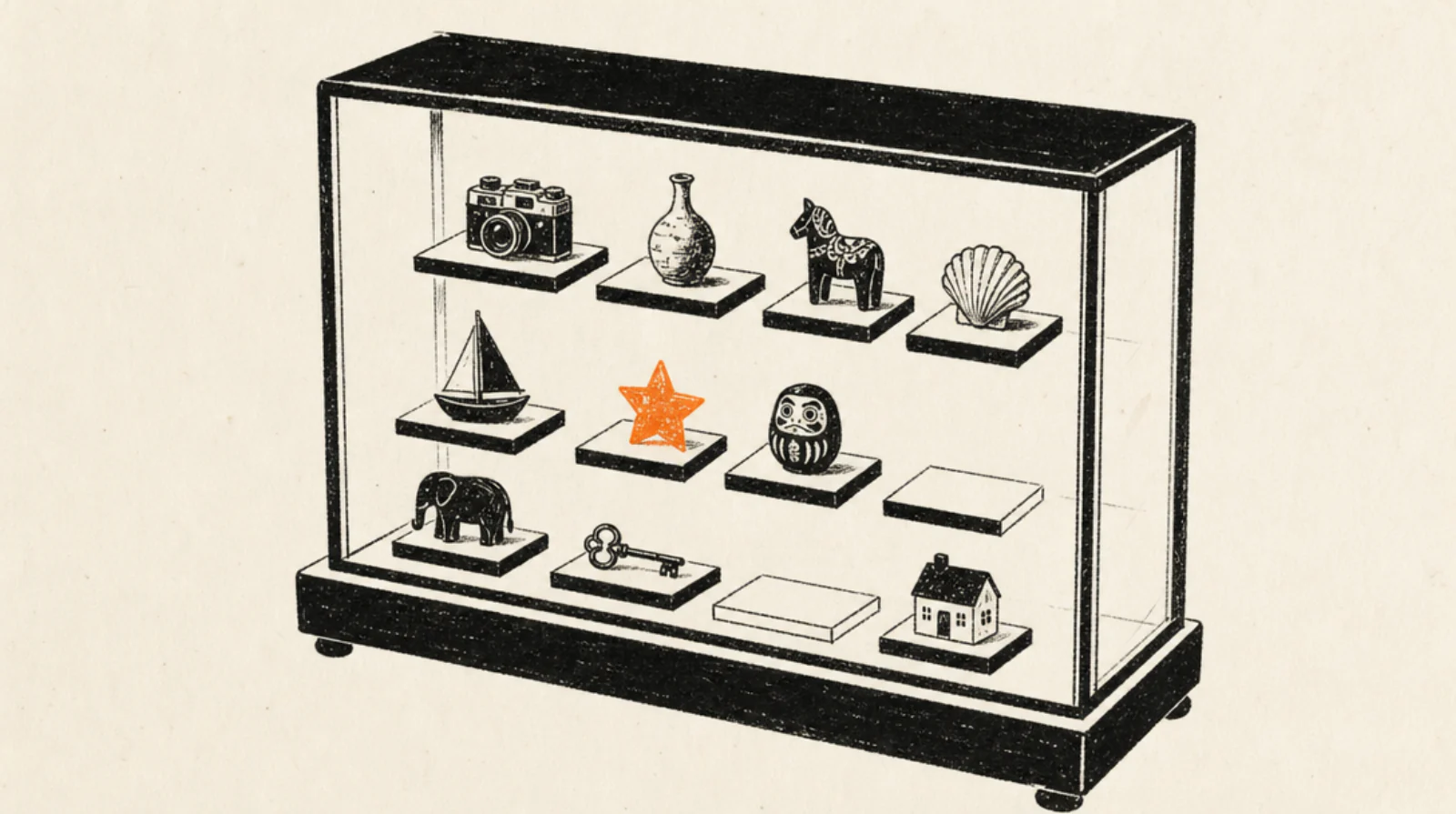
Collectibles are optional items placed through a game's levels (stars, coins, pages, feathers) that players gather for a sense of mastery, and 100 percent completion is the state of having found all of them. To make them work, give every collectible a stable id, show a per-level count such as 3 of 5, place most of them where players can see but not easily reach, hide a few for explorers, and make sure nothing can be missed forever. The reward is the full set itself, so the counting has to be perfect.
Why collectibles work
A collectible does three jobs at once. It points: a floating coin above a gap tells the player a jump is possible. It rewards curiosity: a hidden page behind a waterfall says the designer saw you looking. And it extends a level: the player who rushed through once now replays it slowly, reading the space. That replay costs you nothing to build, which is why almost every platformer and adventure game has some form of it.
There are two families, and they need different handling:
- Common pickups (coins, gems, rings): dozens per level, respawn on retry, feed a currency or a score. They guide movement and fill space.
- Unique collectibles (stars, relics, lost pages): a handful per level, collected once forever, counted toward completion. These are what this article is mostly about.
How many to place, and where
Pick a small fixed number per level and keep it the same across the game, so players learn the rhythm. Three to five unique collectibles per level of three to five minutes is a good starting point. A useful mix for five:
- 01One on the main path. Everyone gets it. It teaches what collectibles look like and sound like.
- 02Two visible but tricky. The player sees them and has to work out how: a harder jump, a timed switch, a route back from above.
- 03One behind a secret. A fake wall, an off-screen ledge, a path behind the background. Leave a hint: a crack, a missing tile, a coin trail leading off the edge.
- 04One that asks for mastery. Reached only with a skill learned later in the game, or by finishing a section without taking damage.
Spread them through the level rather than stacking them at the end, so that a player who quits halfway still found some. And never put a unique collectible behind a one-time event (a bridge that collapses, a door that seals) unless the level can be replayed from its start.
Counting and showing progress
The counter is the mechanic. Players hunt because they know exactly how many are left. Show progress at three zoom levels:
- In the level: a small counter, 2 of 5, that ticks up with a short pop and a rising note. Hide it during play if it clutters the HUD and show it for 2 seconds after each pickup.
- On the level select: five pips under each level, filled or empty. This is where players decide what to replay.
- On the world or main menu: a total like 41 of 60 and a percentage. Completion percentage should be computed from the actual sets, never stored as a separate number that can drift.
Already-collected unique items should still appear when the player replays a level, drawn as a faded outline. Collecting the outline again gives the sound but no count. This tells the player they have it, and keeps the level readable. The game feel guide has values for the pop and sound that make each pickup land.
The data model and saving
Give every unique collectible an id made from its level and a name, like `forest-2/star-waterfall`, not an index like `star_3`. Store the player's collection as a set of those ids. Per-level counts and the global total are then just questions you ask the set: how many ids start with `forest-2/`.
- Stable ids survive edits. If you move a star in the editor, it keeps its id and players keep their progress. Index ids shift when you add a new star, and suddenly saves point at the wrong items.
- Save on pickup, not on level exit. A player who collects a hard star and then quits should keep it. If you only save at checkpoints, say so on screen.
- Keep the list of all ids in the game data. Then you can compute the total, show empty pips, and check for collectibles that exist in the list but not in any level (or the reverse).
- Cloud saves for completionists. People who chase 100 percent are exactly the people who will be upset to lose it on a new phone. Our saving progress guide covers local saves and optional accounts.
Bugs that block a full clear
- Missable collectibles. One item inside an area that closes forever. Fix by design: everything must be reachable on a replay.
- Collectibles inside walls. Moving geometry in the editor can bury a star. A debug view that draws a line to every uncollected item in the level finds these fast.
- Double counting. The pickup triggers twice in one frame (two colliders overlapping it) and the count jumps by two. Check the set before adding, and disable the item on first touch.
- Lost on death. The player grabs a star, dies before a checkpoint. Decide: either it stays collected (friendlier, most common now) or the level says clearly that it resets.
- Percent not reaching 100. A rounding issue (99.6 shown as 100 while one item is missing) or an item that was removed from the game but stays in the total. Show 100 percent only when the set is complete.
- Reward for 100 percent that cannot be seen. If the reward is a secret level, show its locked entry from the start so players know it exists.
Combining collectibles with other mechanics
- With doors: a gate that needs 10 stars turns collecting into progression. Keep the requirement below the total so not every star is mandatory.
- With abilities: items visible early but reachable only after a later ability are what make backtracking rewarding.
- With achievements: "all stars in world 1" is a natural achievement. Keep the achievement system reading the same set rather than keeping its own count.
- With cosmetics: completion rewards that change how the game looks (a new outfit, a golden trail) are seen by the player every time they play.
- With a map: a collectible tracker on the map (show the count per room, not the exact spot) helps without spoiling.
In Startbase games, levels are scenes you can edit, so after the agent builds the collectible system you can drag stars into tricky spots yourself in the World Editor and play the level straight away to test the route.
A brief for collectibles and completion
Add unique collectibles to my 2D platformer: 5 feathers per level. Each has a stable id like level-3/feather-ledge and is saved the moment it is picked up, even if the player dies after. Picking one up pops a small counter (3 of 5) for 2 seconds with a rising chime. Already-collected feathers show as faded outlines on replay. The level select shows 5 pips per level and the main menu shows the total and percent, computed from the saved set. The final gate needs 30 of 40 feathers. Add a debug toggle that draws a line from the player to every uncollected feather in the level.
Once a world is finished, ask a friend to play it and watch which collectibles they miss. A feather nobody finds is a bad hint; a feather everyone finds is not hidden. Our playtesting guide has what to watch for.
Frequently asked questions
How many collectibles should a level have?
For unique, count-toward-completion items, three to five per level of a few minutes is a good start. Keep the number the same in every level so players learn the rhythm and know when they are done.
Should collectibles be saved if the player dies?
Most modern games keep them, which is friendlier and avoids frustration on hard pickups. If you reset them on death, show that clearly so players are not surprised.
What makes a good hidden collectible?
A hint the observant player can read: a crack in a wall, a coin trail leading off-screen, a gap in the ceiling. Hidden should mean noticed by careful players, not found by touching every wall.
What reward should 100 percent completion give?
Something players can see and use: a bonus level, a cosmetic, a new mode or a short ending. Show its locked entry early so players know there is something to chase.

