Skip to content
AI-powered appsNewChat, vision, voice, generationBookings & schedulingAppointments that book themselvesShops & sellingA storefront in every pocketClient & businessRun the operation from one placeCommunities & clubsA home that is not a group chat
Health & wellnessHabits, tracking and calmGames2D, 3D and multiplayerPersonal & toolsThe tool you wish existedInternal toolsThe tool ops never had time for
See all use cases
ArcadeNewPricingSecurity
EngineThe game engine and World EditorHow it worksFrom one sentence to a live productDocsGuides for building and publishingBlogStories, guides and newsChangelogWhat shipped latelyStatusUptime of every serviceSupportGet help from the team
AI-powered appsBookings & schedulingShops & sellingClient & businessCommunities & clubsHealth & wellnessGamesPersonal & toolsInternal tools
See all use cases
ArcadeNewPricingSecurity
EngineHow it worksDocsBlogChangelogStatusSupport
Language
Blog

Game mechanics

How to build the mechanics players love: double jumps, dashes, inventories, crafting, skill trees, quests, pathfinding and more, with the numbers that make them feel right.

45 articles

Editorial ink illustration of a wooden toy figure in mid-air above a gap, the puff cloud under its feet in ember orange
Game mechanicsNovember 22, 2026

How to Add a Double Jump to Your Game

A double jump is one counter and one reset rule, but the details decide whether it feels like control or like cheating. Here are the values and the bugs to watch for.

8 min read
Editorial ink illustration of a small figure streaking along a stone floor with faded ghost copies behind it, the front figure's scarf in ember orange
Game mechanicsNovember 22, 2026

How to Add a Dash Move

A dash is a short burst of fixed speed that overrides normal movement. Get its distance, its ending and its refill rule right and it becomes the move players use most.

7 min read
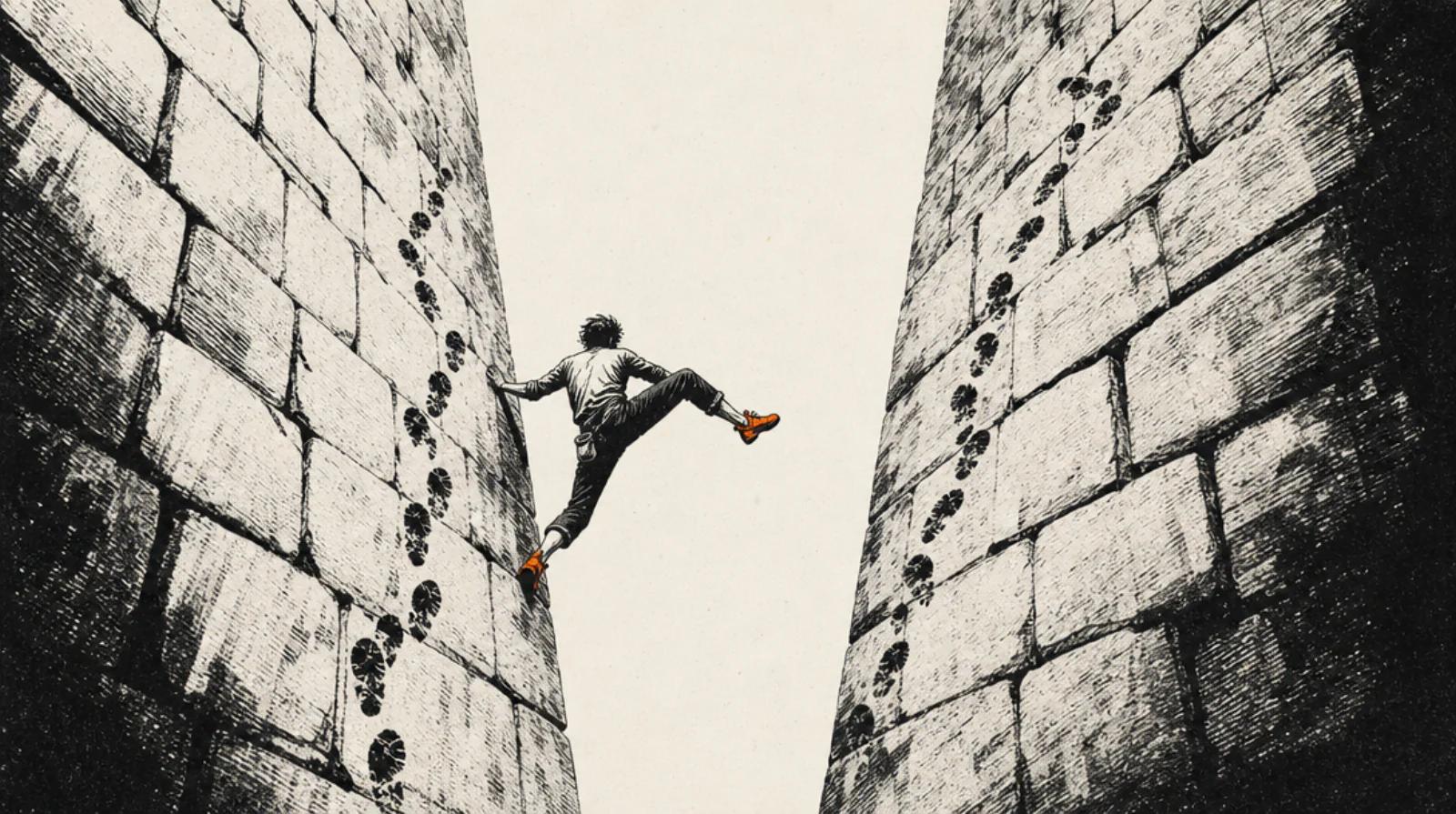
Editorial ink illustration of a tiny climber kicking between two stone walls of a narrow shaft, the climber's boot in ember orange
Game mechanicsNovember 22, 2026

Wall Jumping and Wall Sliding

Wall jumps turn every vertical shaft into a playground, if the slide speed, the kick-off and the brief loss of control are tuned. Here is how to set each one.

7 min read
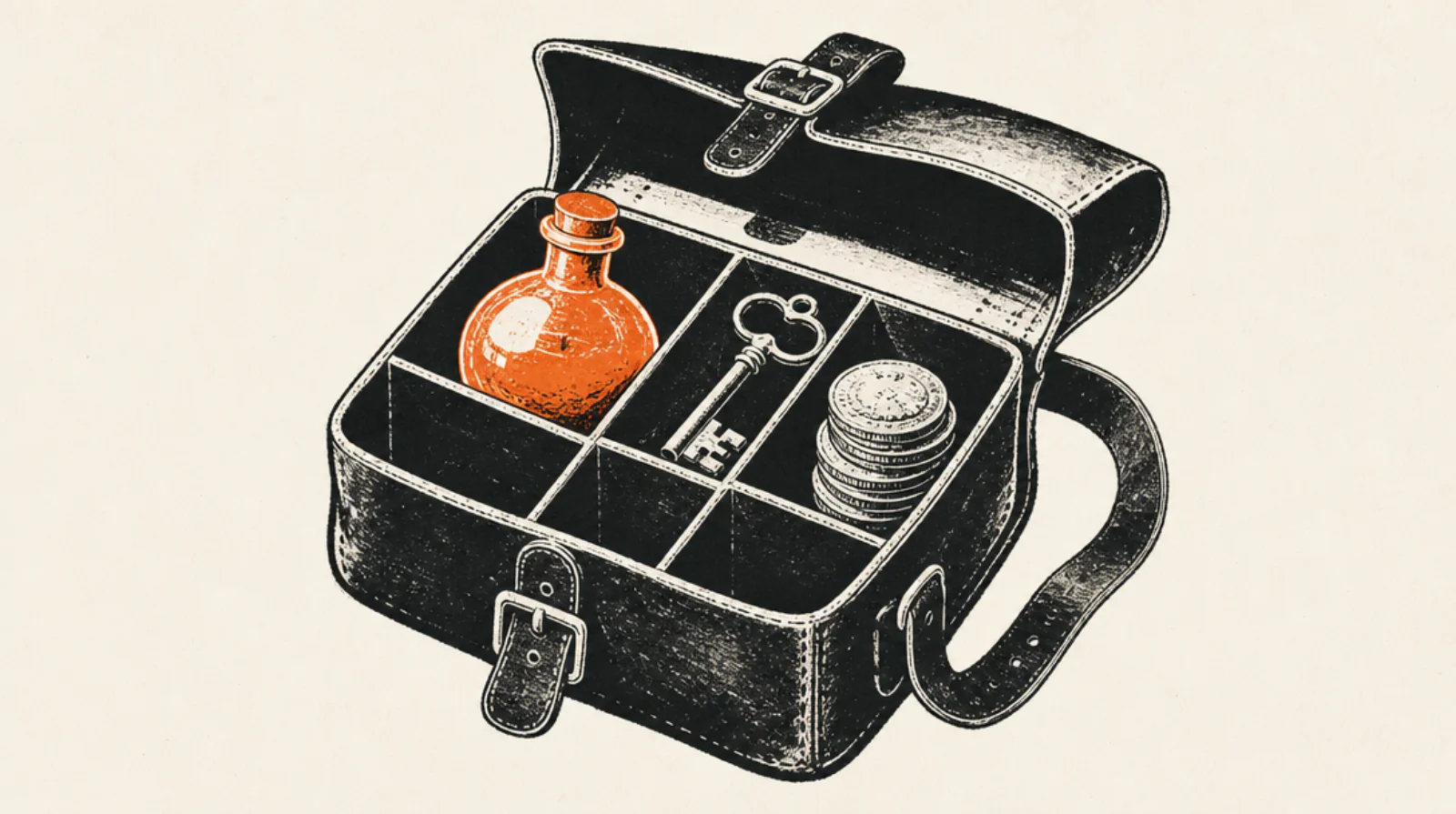
Editorial ink illustration of an open leather satchel with small compartments holding a potion, a key and coins, the potion bottle in ember orange
Game mechanicsNovember 22, 2026

How to Make an Inventory System

An inventory is a small database with a user interface on top. Pick the right shape, write the stacking and overflow rules down, and most inventory bugs never happen.
7 min read
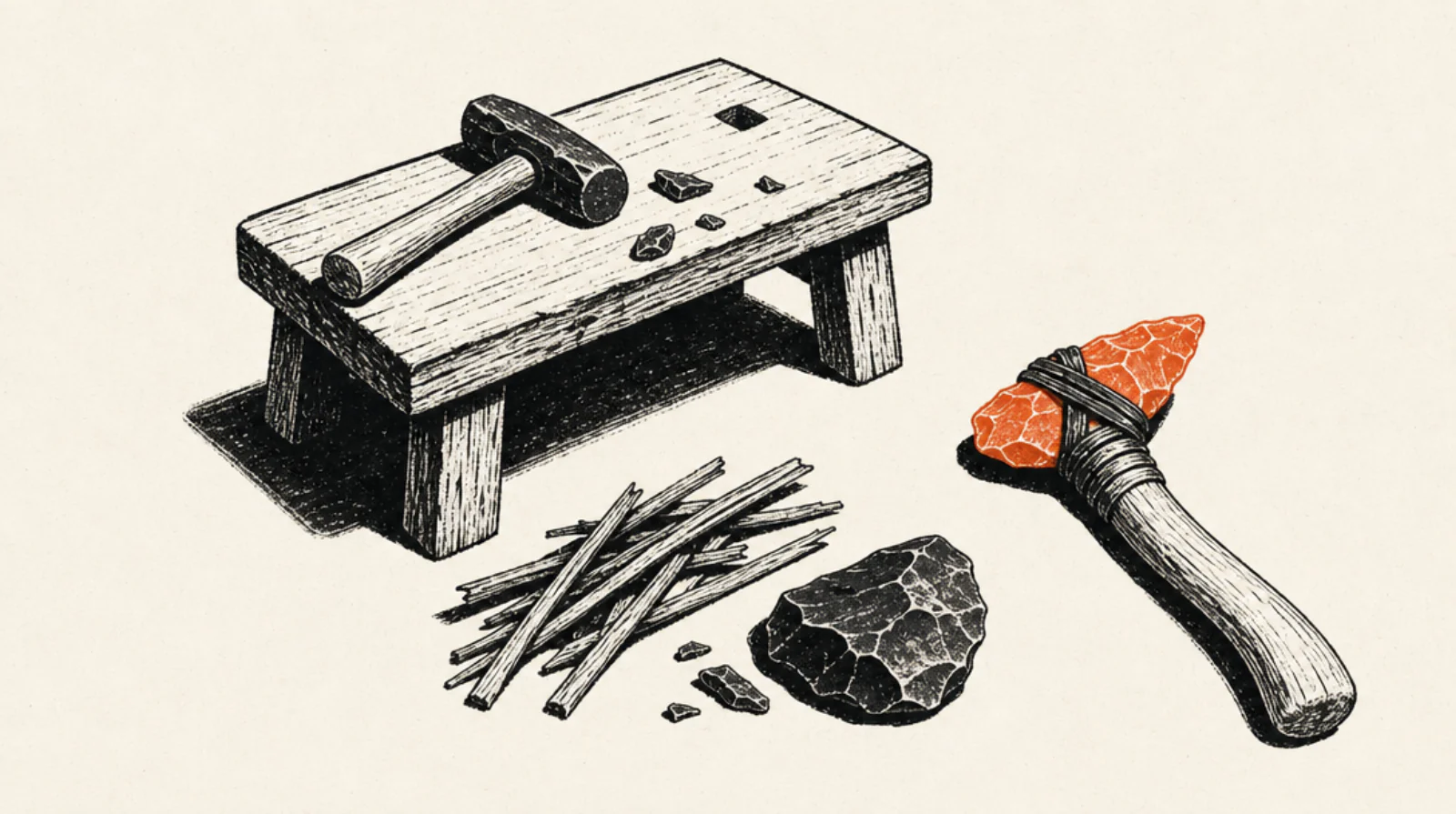
Editorial ink illustration of a wooden workbench with a hammer, sticks and flint beside a finished hand axe, the axe's flint head in ember orange
Game mechanicsNovember 22, 2026

How to Make a Crafting System

Crafting turns things players find into things they want. Here is how to model recipes, price them, reveal them and keep the whole system from leaking or duplicating items.

6 min read
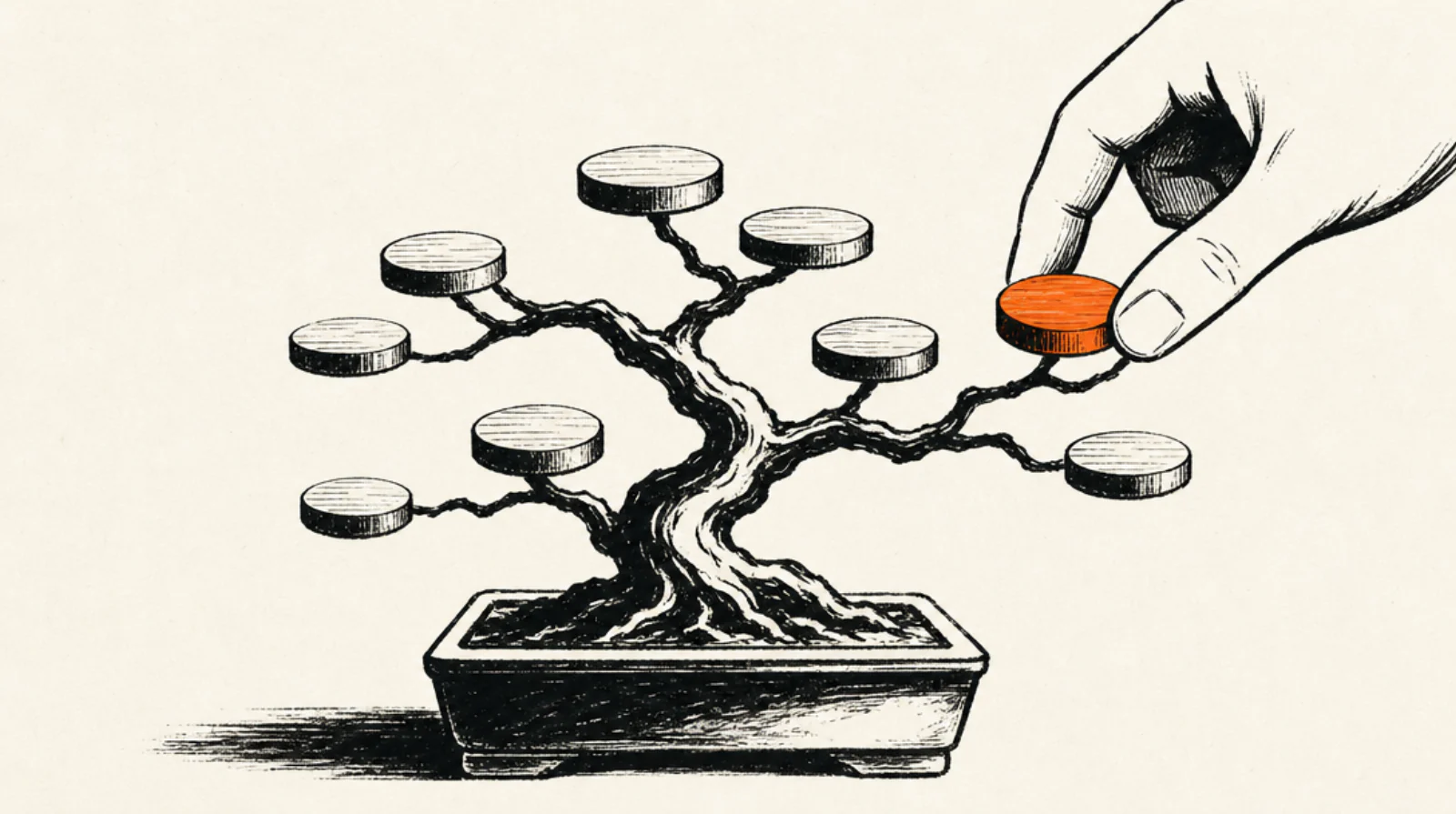
Editorial ink illustration of a bonsai tree with round wooden tokens on its branch tips, the token being placed in ember orange
Game mechanicsNovember 22, 2026

How to Design and Build a Skill Tree

A skill tree is a menu of promises. Here is how to size it, which nodes to put in it, how to store it as data and the bugs that show up when players start respeccing.
7 min read
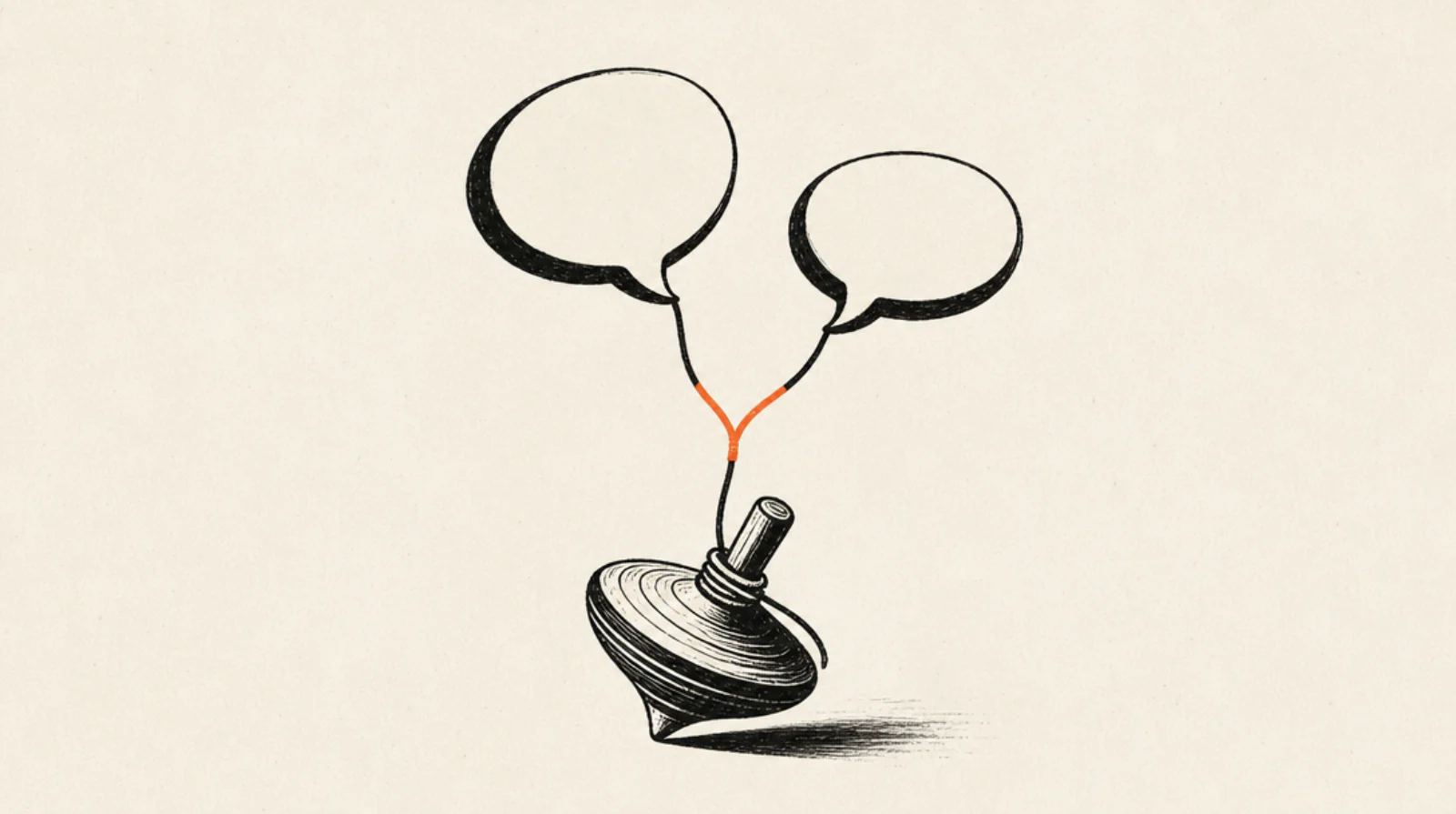
Editorial ink illustration of two paper speech balloons tied to a wooden spinning top, the fork in one balloon string in ember orange
Game mechanicsNovember 22, 2026

How to Make a Dialogue System with Choices

A dialogue system is a small graph walker with good manners. Here is the data shape, the conditions that make choices matter, the timing values that feel right and the bugs to test for.

6 min read
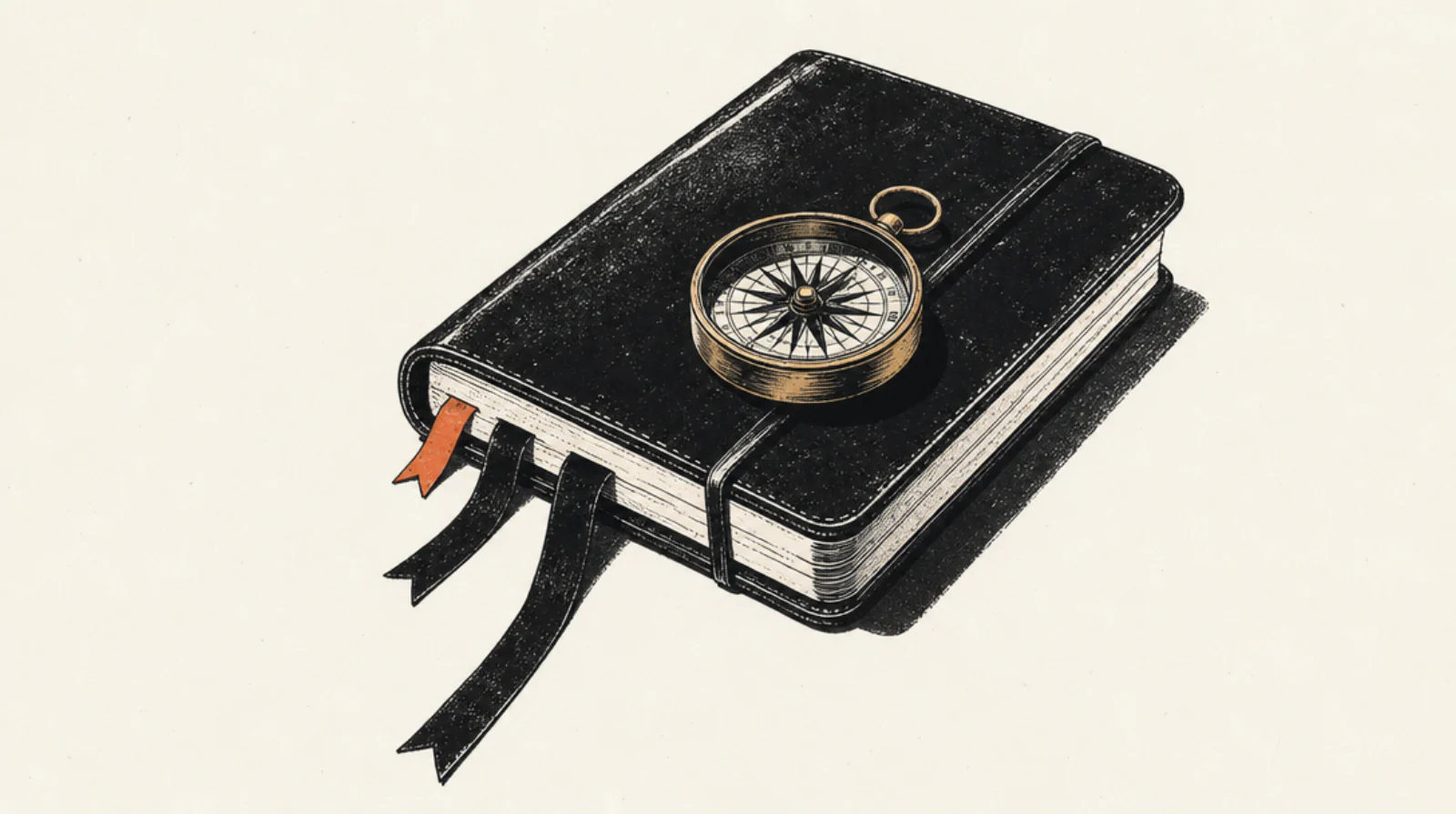
Editorial ink illustration of a leather notebook held open by a brass compass with three ribbons, the shortest ribbon in ember orange
Game mechanicsNovember 22, 2026

How to Make a Quest System

Quests are easy to write and easy to break. Here is an event-driven design for objectives, the fields every quest needs, journal and marker rules, and the classic bugs that strand players.

6 min read
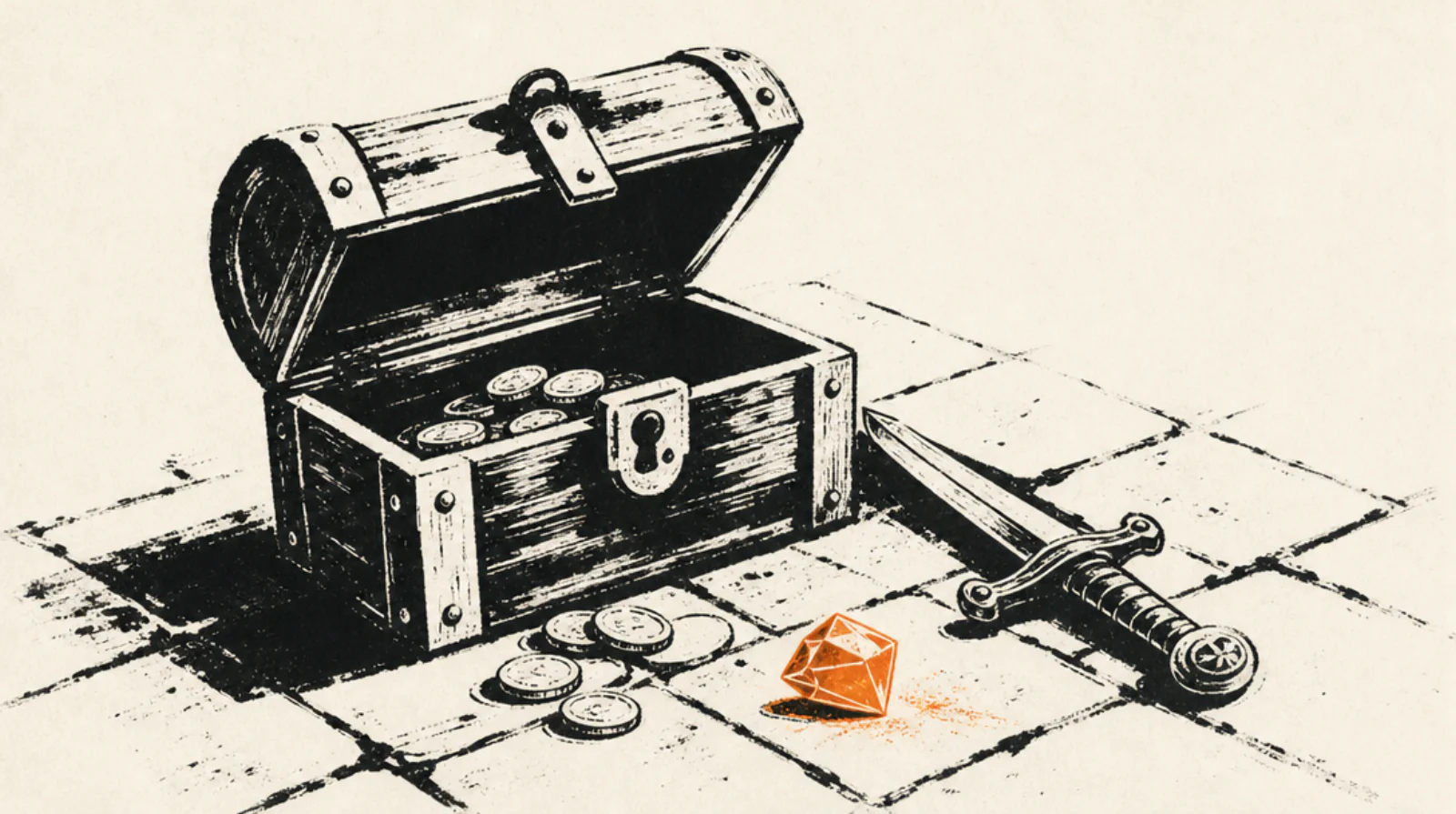
Editorial ink illustration of an open wooden treasure chest spilling coins and a sword hilt, the gem in ember orange
Game mechanicsNovember 22, 2026

Loot Tables and Item Drops

A loot table decides what falls out of every chest and enemy. Here is how weighted rolls work, starting rarity percentages, how to stop bad luck streaks and how to make a drop feel exciting.

6 min read
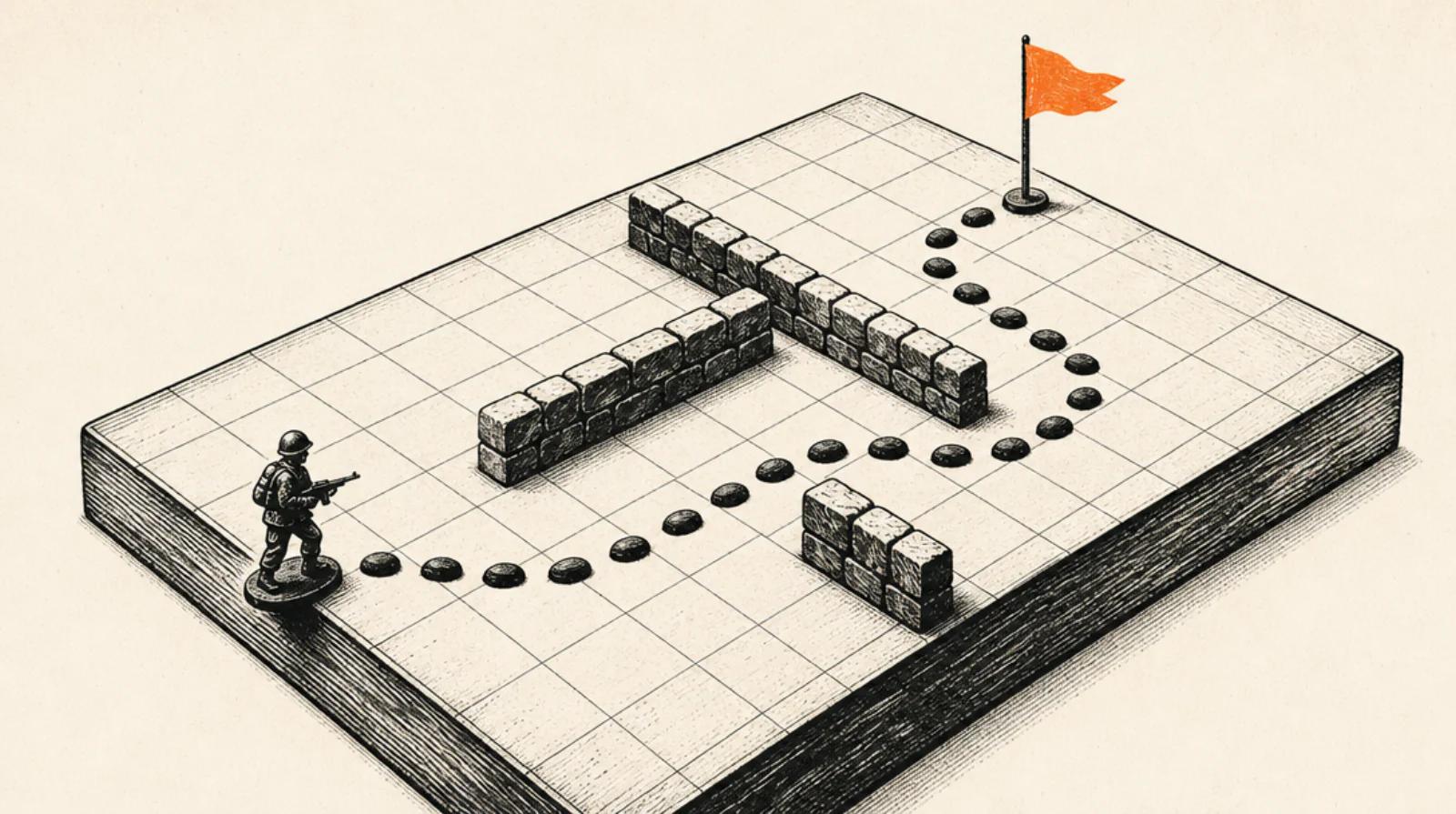
Editorial ink illustration of a toy soldier on a wooden grid board with a pebble trail around stone walls, the flag in ember orange
Game mechanicsNovember 22, 2026

Pathfinding in Games: Grids and A* Explained

Pathfinding is how enemies and units find their way around walls. Here is A* in plain words, the grid settings that matter, when to switch to flow fields and the bugs that make units look stupid.

7 min read
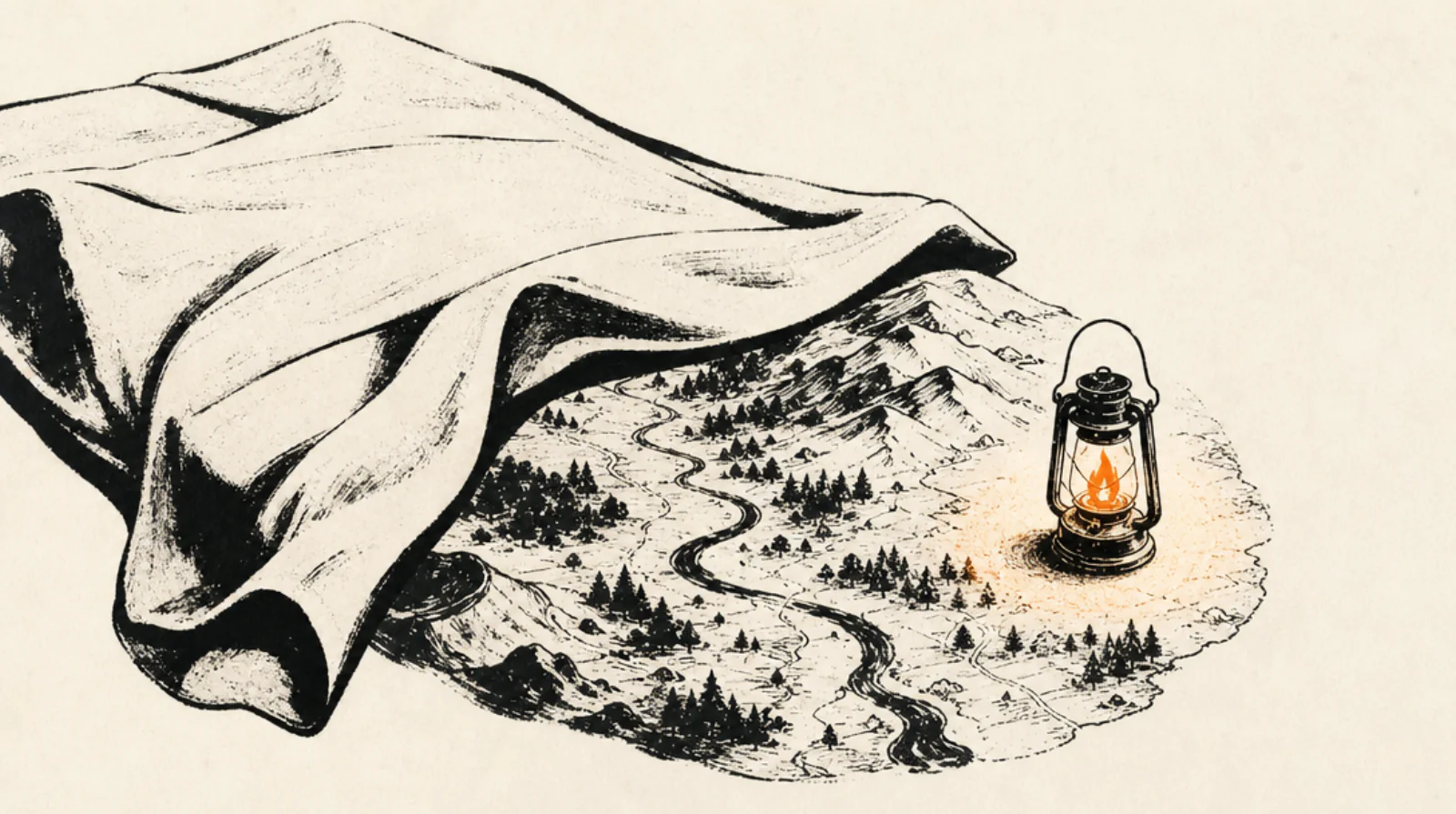
Editorial ink illustration of a map half covered by a draped cloth with a lantern lighting a circle of ground, the lantern flame in ember orange
Game mechanicsNovember 22, 2026

How to Add Fog of War to Your Game

Fog of war hides what the player has not seen and blurs what they saw long ago. Here is how to model it, the numbers to start with, and the bugs to test for.

6 min read
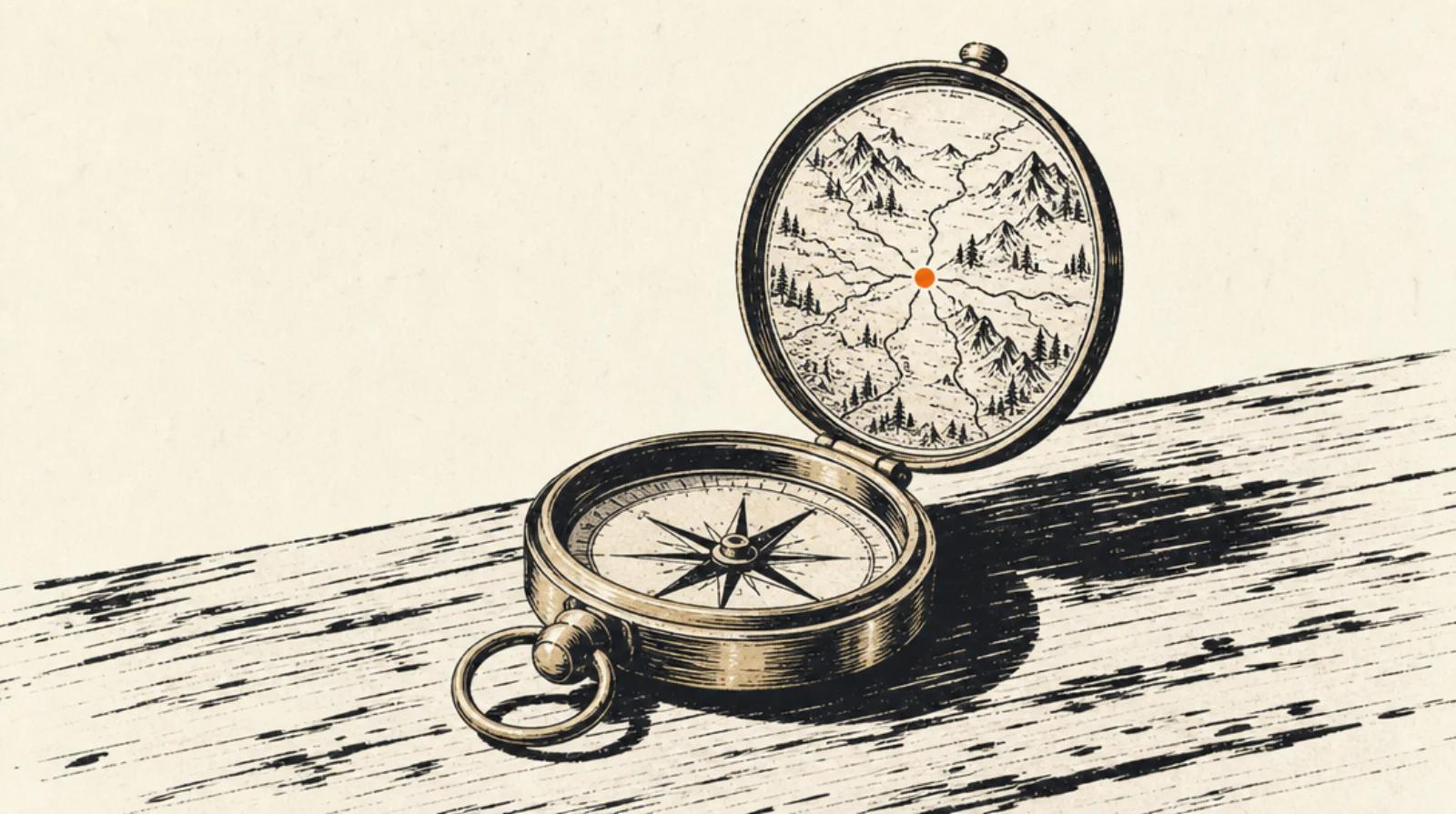
Editorial ink illustration of an open brass pocket compass with a tiny map engraved in its lid, the center dot in ember orange
Game mechanicsNovember 22, 2026

How to Add a Minimap to Your Game

A minimap is a second, tiny view of your world that has to be readable at a glance. Here are the decisions, numbers and bugs that decide whether players use it.

7 min read
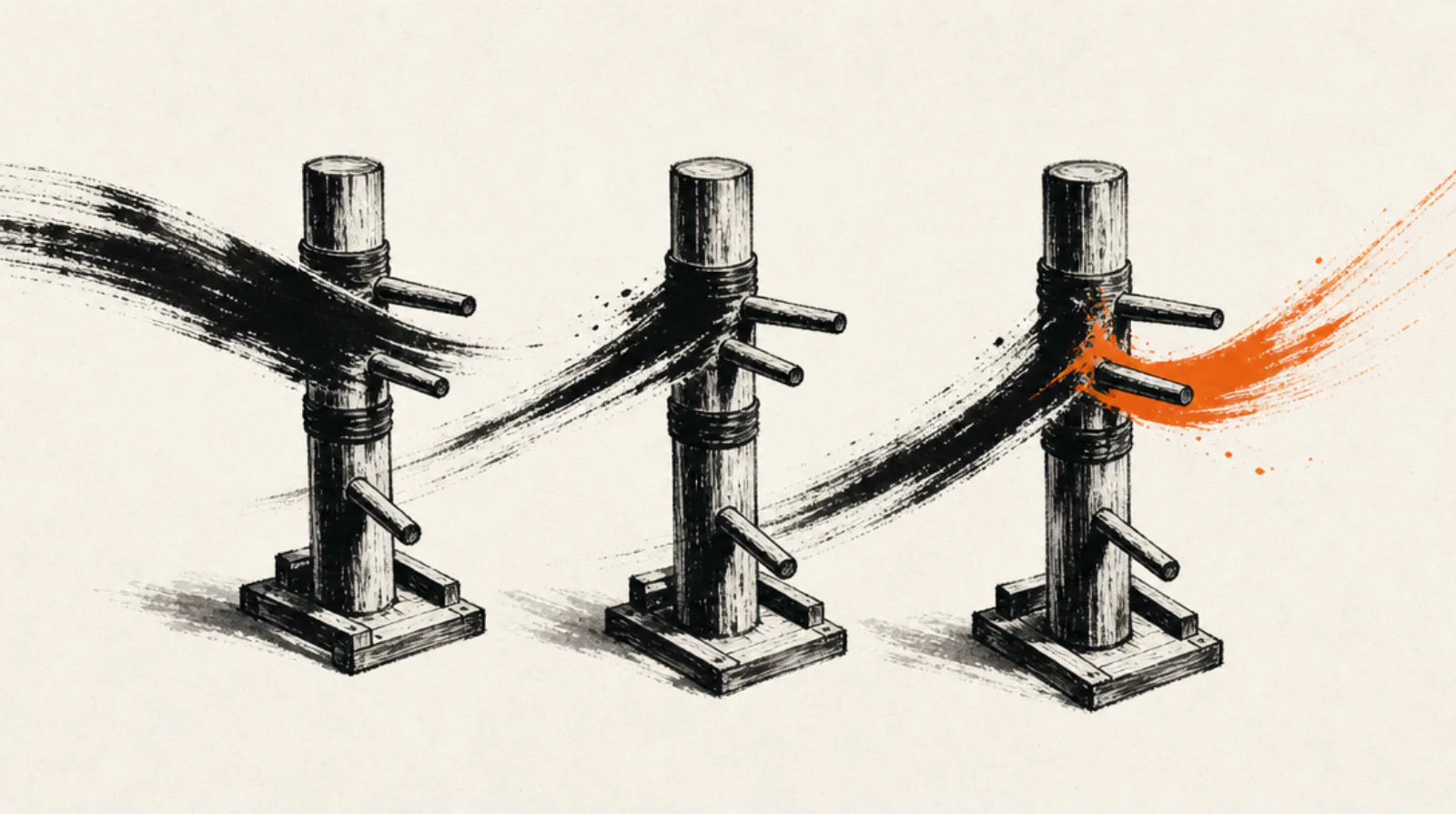
Editorial ink illustration of three practice dummies struck in turn by one sweeping brushstroke, the final flick in ember orange
Game mechanicsNovember 22, 2026

How to Make a Combo System for Your Game

A combo system is a small state machine plus a timing window. Here is how to build one that reads every press, with frame data you can start from.

6 min read
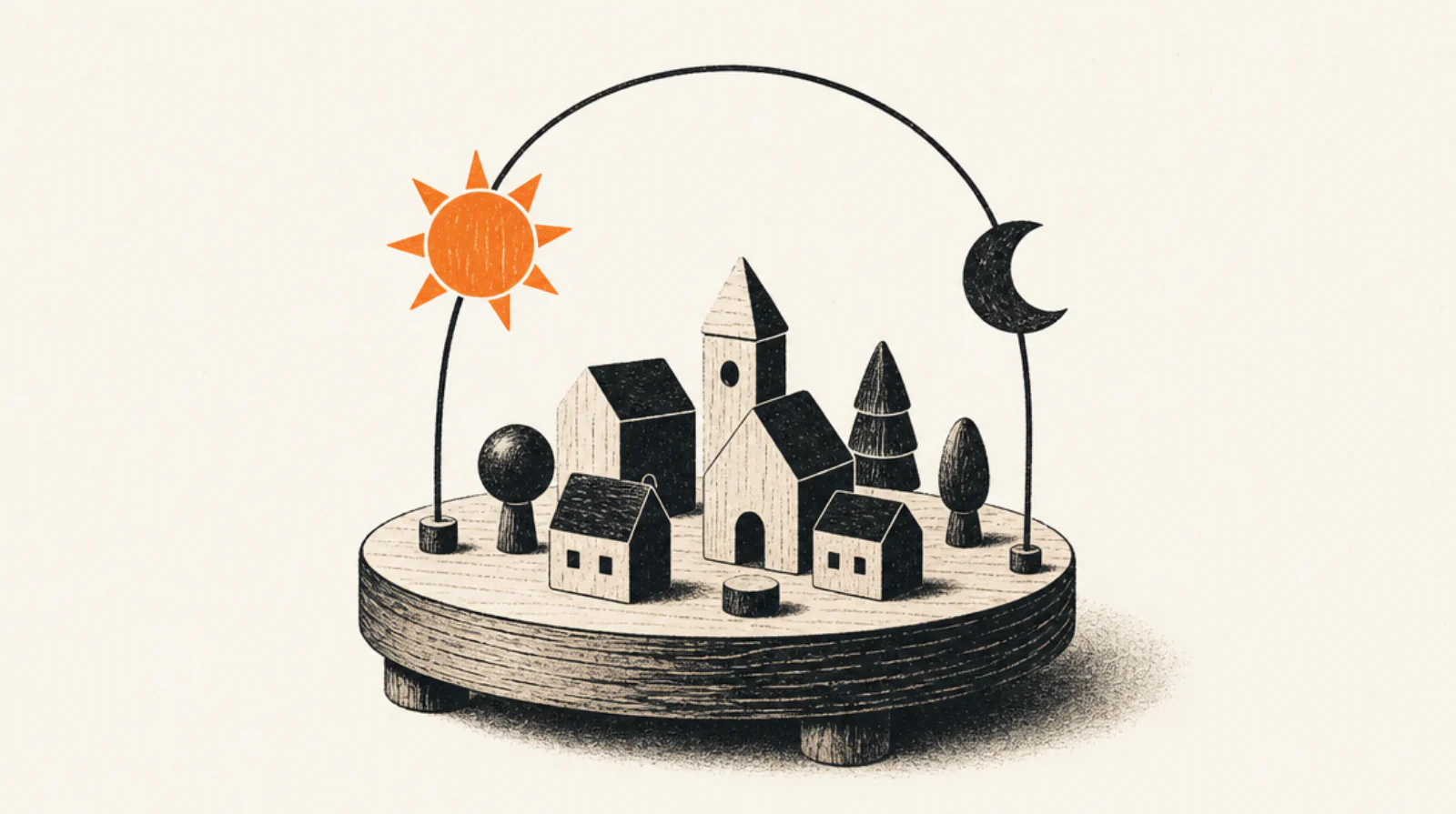
Editorial ink illustration of a toy village on a turntable under a wire arc holding a sun and a crescent moon, the sun in ember orange
Game mechanicsNovember 22, 2026

How to Add a Day-Night Cycle to Your Game

A day-night cycle is a clock plus a set of color curves plus the rules that change when it gets dark. Here is how to build all three.

6 min read
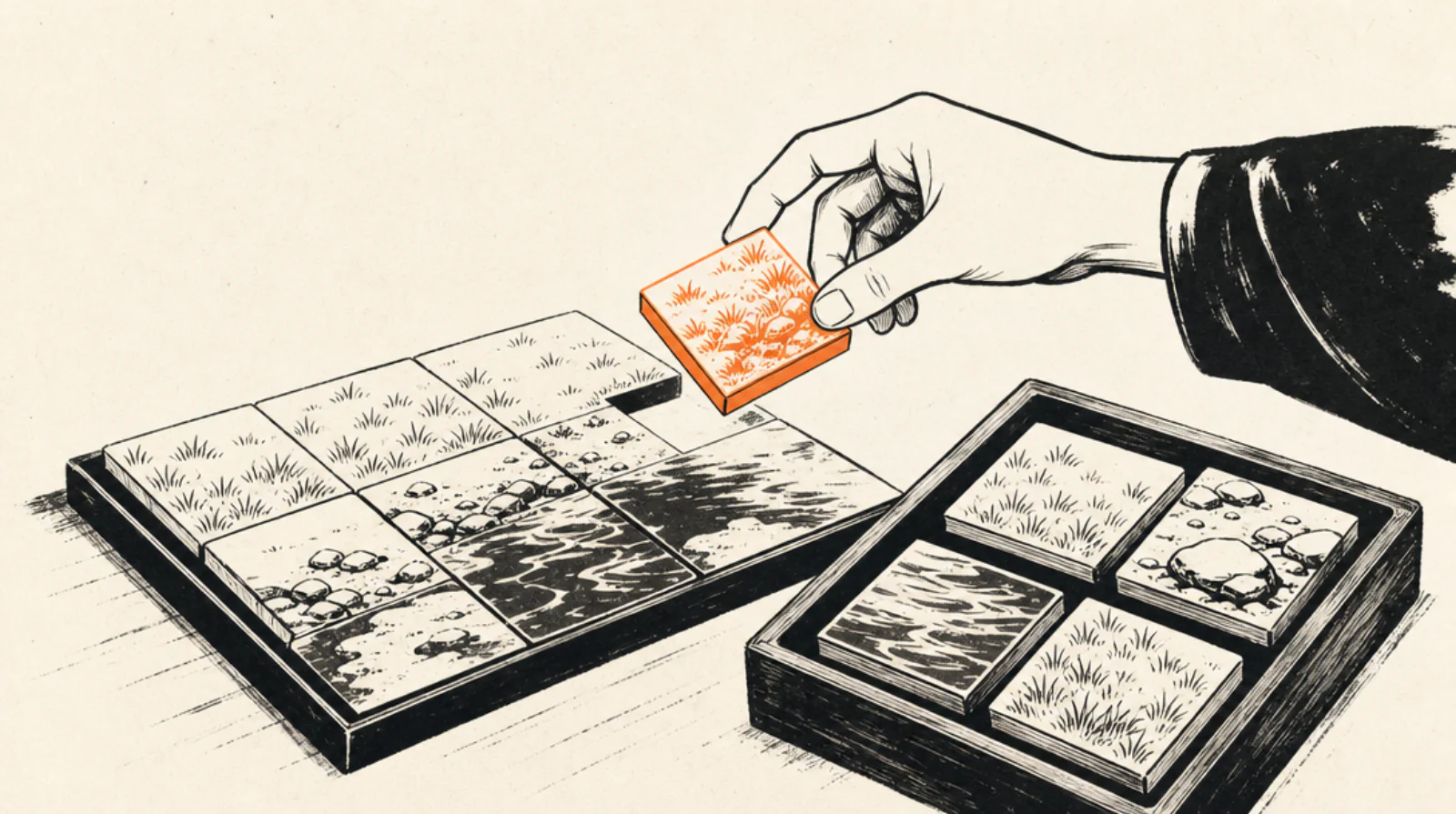
Editorial ink illustration of a tray of square clay tiles half laid into a small landscape, the loose tile held above its gap in ember orange
Game mechanicsNovember 22, 2026

Tilemaps: Building 2D Worlds from Tiles

A tilemap is a grid of numbers that points into a sheet of small images. That simple idea gives you cheap rendering, easy collision and levels you can edit as data, if you avoid a few classic traps.

7 min read
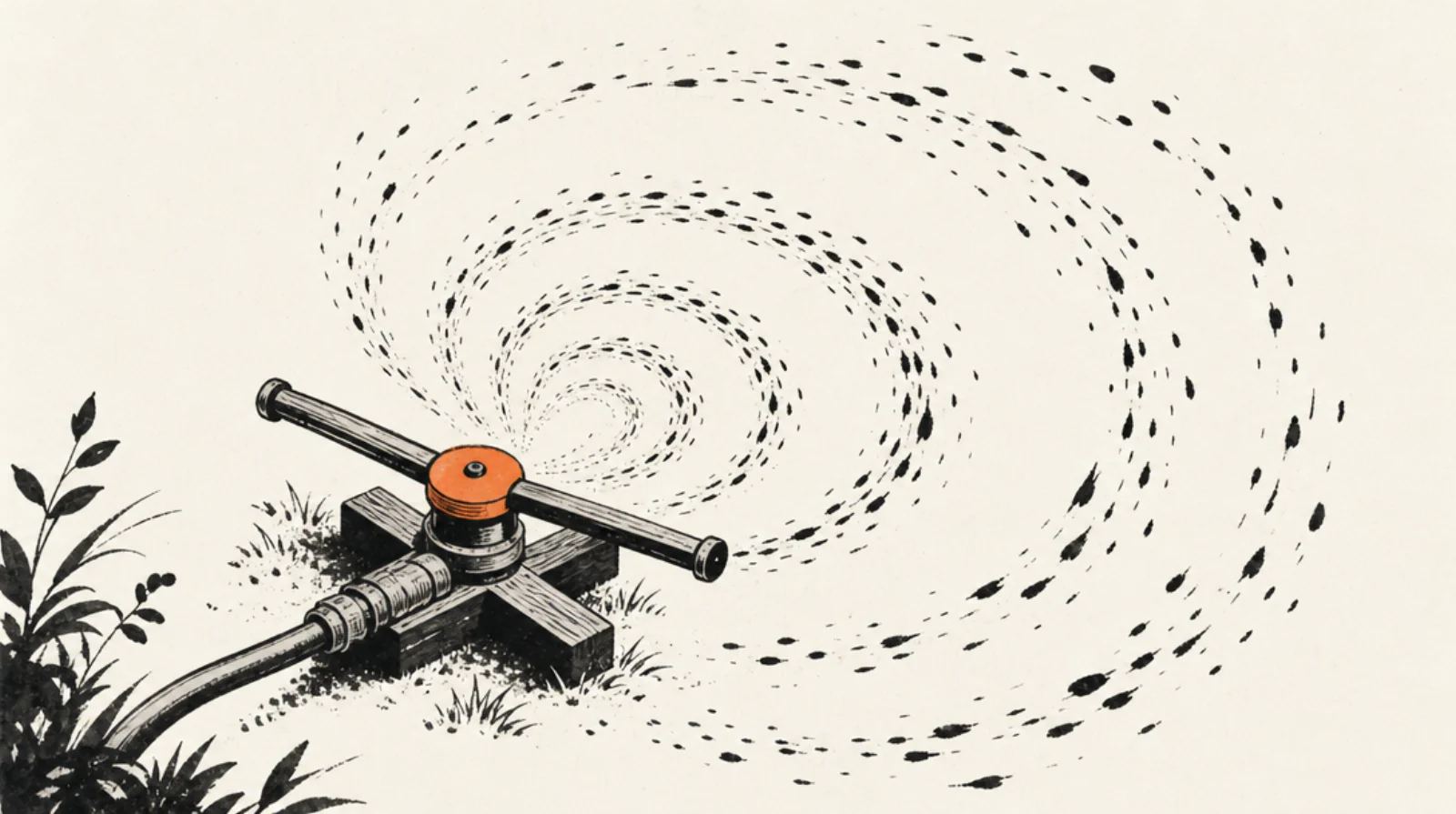
Editorial ink illustration of a wooden garden sprinkler throwing droplets in a spiral, its center hub in ember orange
Game mechanicsNovember 22, 2026

Bullet Patterns for Shoot 'em Ups

Every bullet hell pattern is built from a handful of primitives and four numbers. Here is the vocabulary, the values and the rules that keep it dodgeable.

6 min read
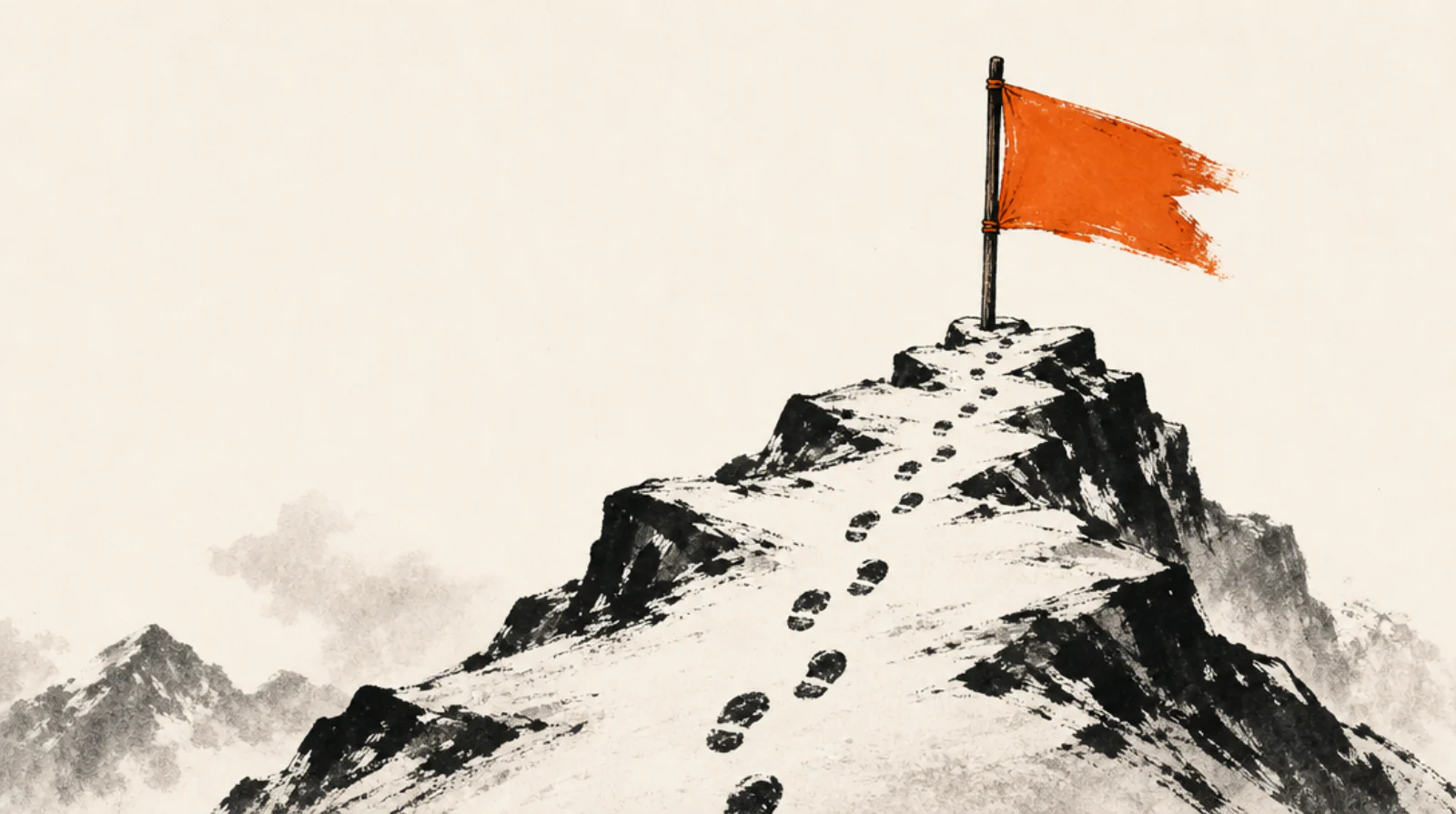
Editorial ink illustration of a cloth flag on a wooden pole on a rocky ledge with footprints leading to it, the flag in ember orange
Game mechanicsNovember 22, 2026

Checkpoints and Respawning

Checkpoints decide how much a death costs. Place them before the hard part, save the right things and respawn in under a second.

6 min read
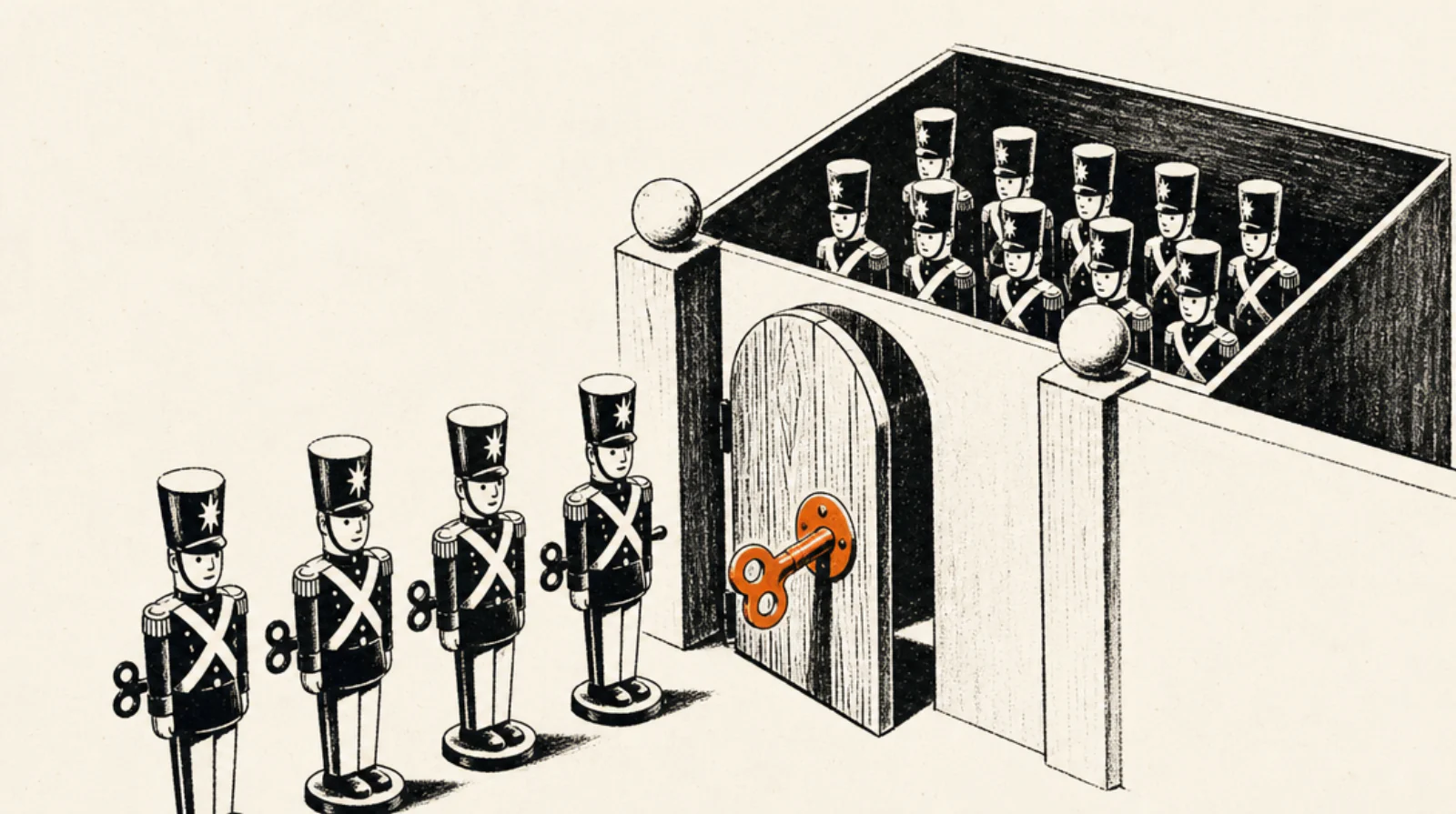
Editorial ink illustration of wind-up tin soldiers lined up at a small wooden gate, the turning key in ember orange
Game mechanicsNovember 22, 2026

Enemy Waves and Spawners

Waves are the pacing engine of arena games, tower defense and survival modes. Here is how to describe them as data and keep them fair.

6 min read
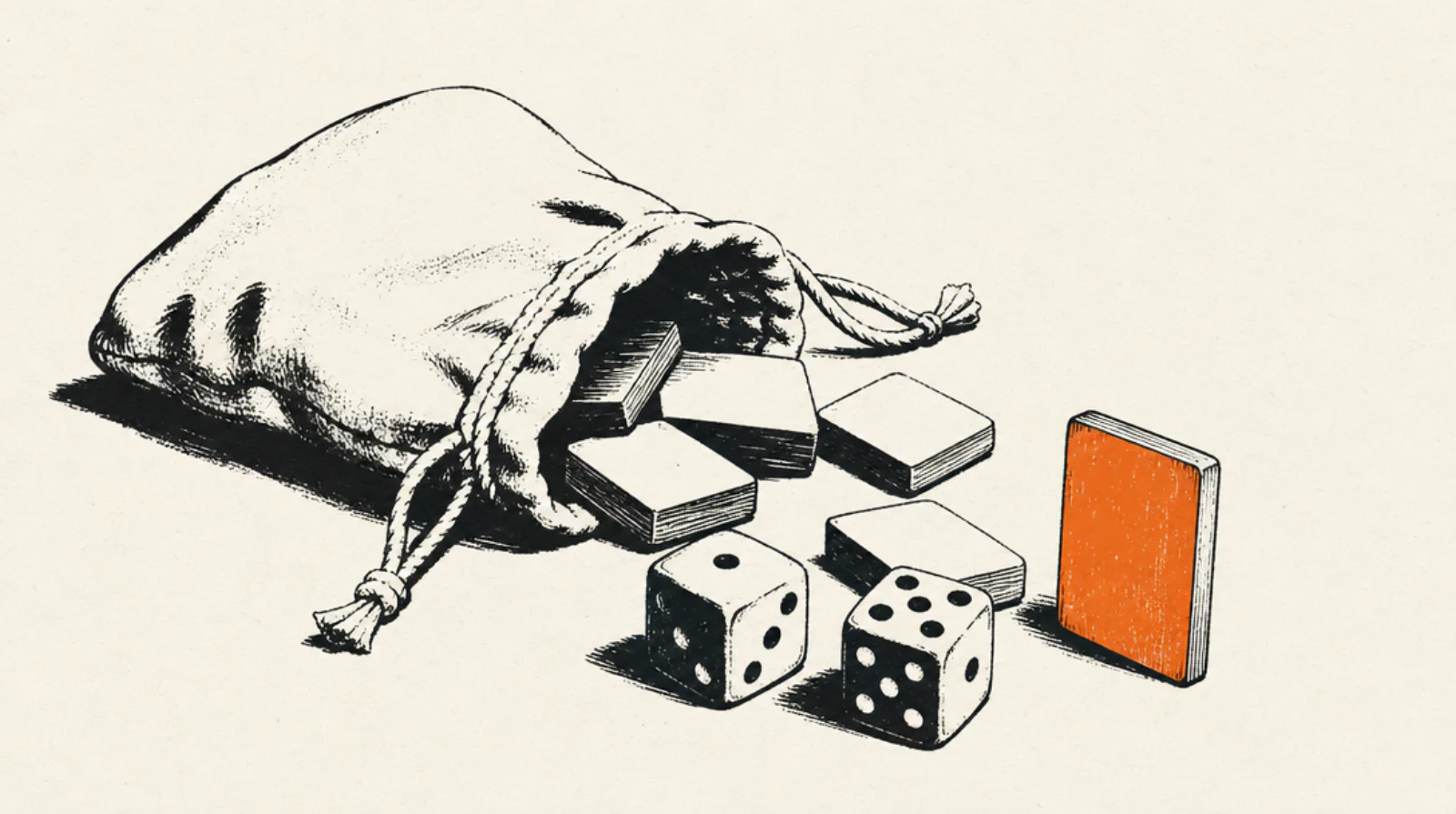
Editorial ink illustration of a cloth bag spilling wooden tiles beside a pair of dice, the upright tile in ember orange
Game mechanicsNovember 22, 2026

Fair Randomness: Seeds, Shuffles and Pity Timers

True randomness feels rigged to players. Seeds, shuffle bags and pity timers give you randomness that surprises without producing streaks nobody believes.

6 min read
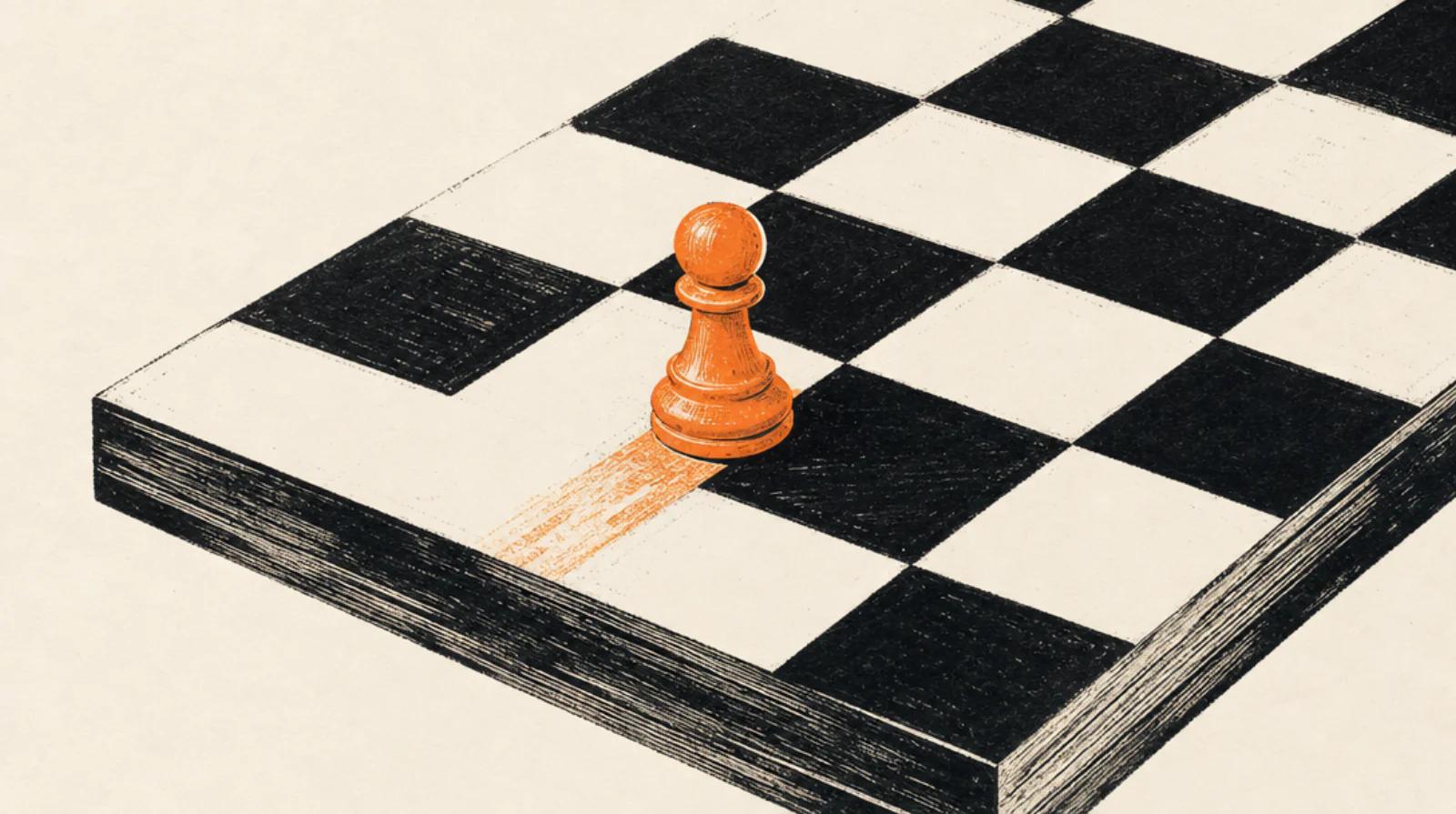
Editorial ink illustration of a carved pawn sliding one square forward on a wooden grid, the pawn in ember orange
Game mechanicsNovember 22, 2026

Grid-Based Movement

Moving one tile at a time sounds simple until inputs get lost mid-step and two enemies walk into the same square. Here is how to build it cleanly.

6 min read
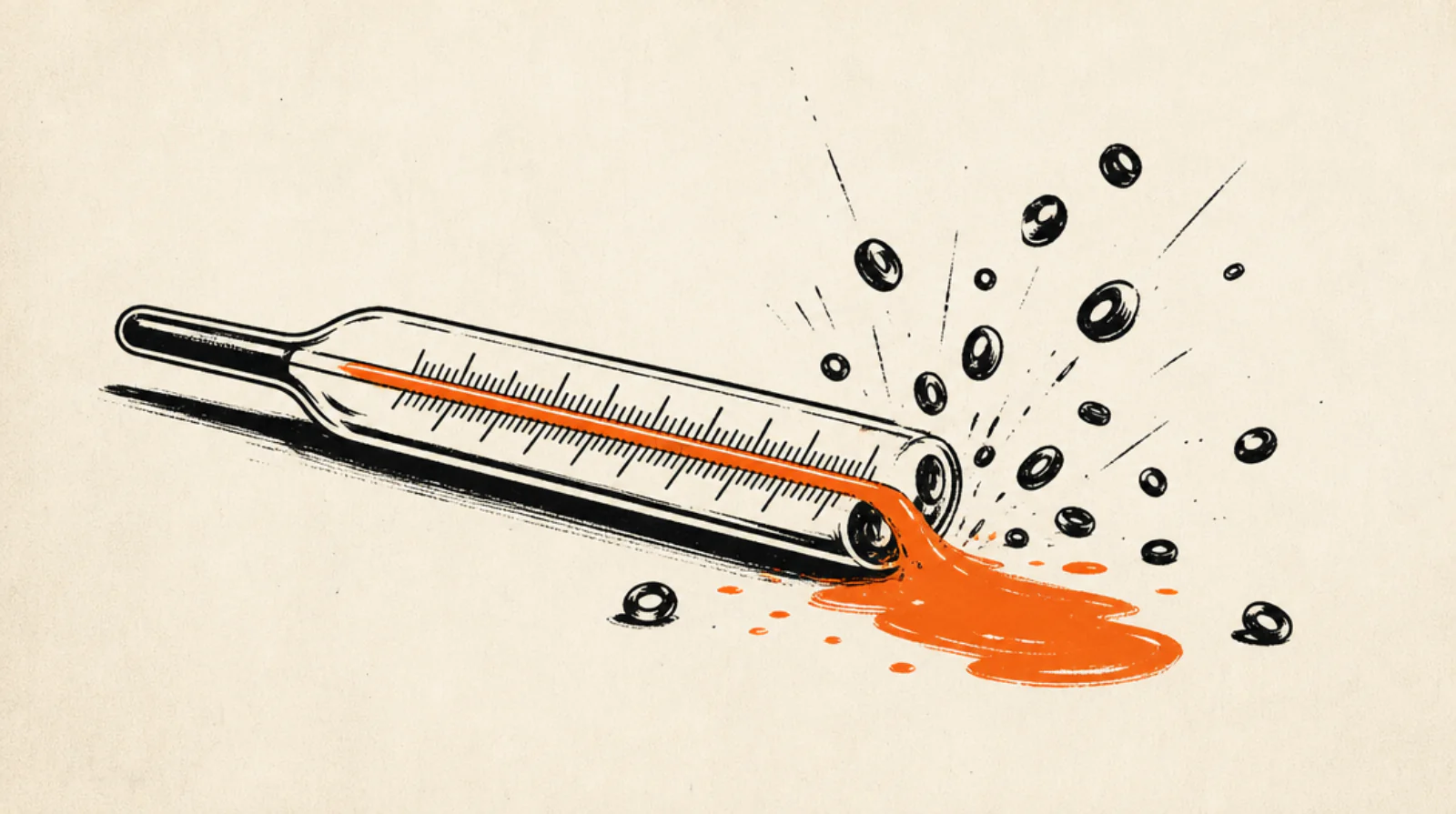
Editorial ink illustration of a glass thermometer on its side with numerals bouncing off it, the draining liquid in ember orange
Game mechanicsNovember 22, 2026

Health Bars and Damage Numbers

A health bar is a rectangle with a width. The good ones have a second, lagging bar, ticks you can count and numbers that never pile into soup.

7 min read
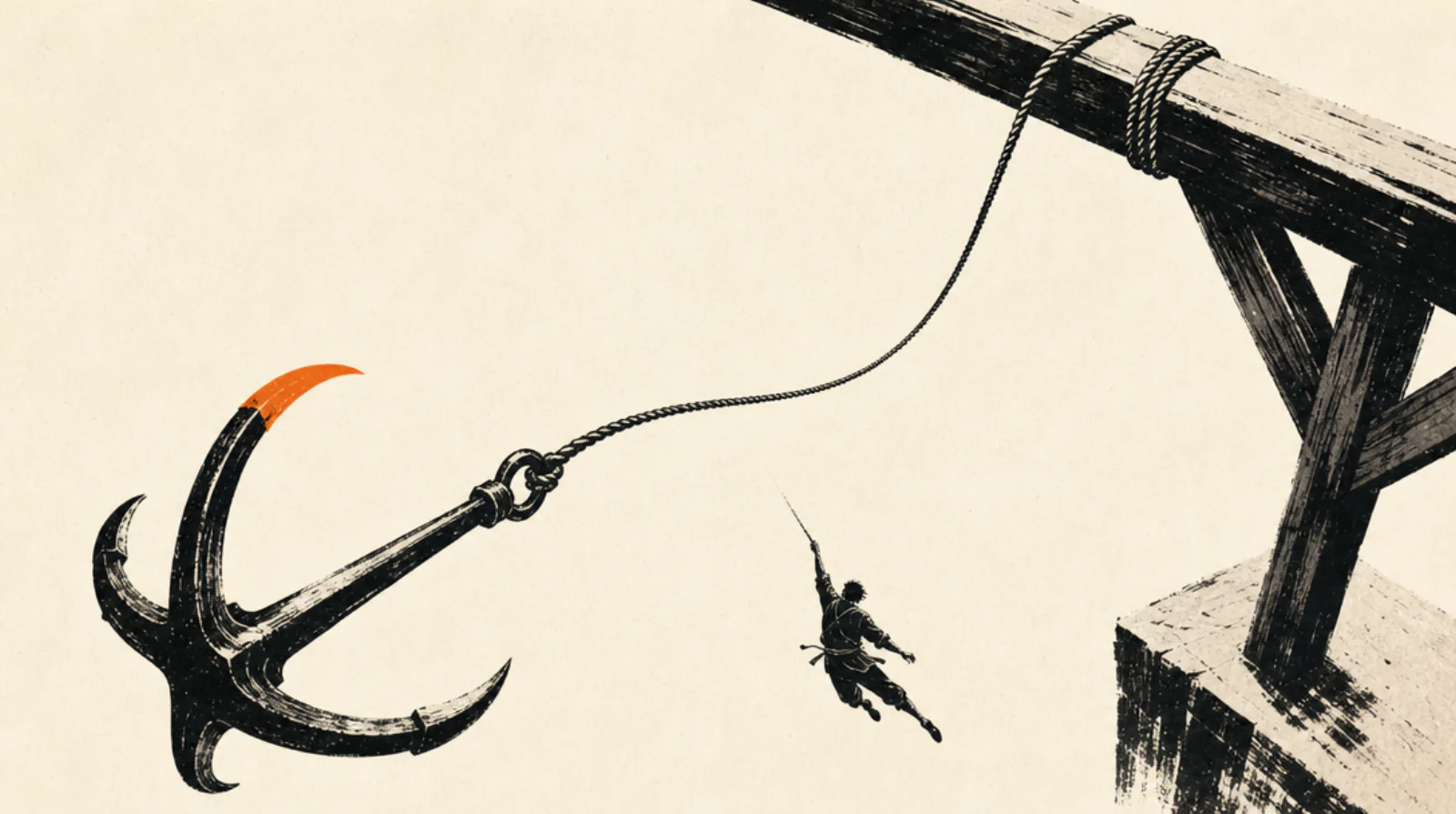
Editorial ink illustration of an iron grappling hook with rope arcing to a wooden beam and a figure swinging below, the hook tip in ember orange
Game mechanicsNovember 22, 2026

How to Add a Grappling Hook

A grappling hook is the most fun traversal tool to get right and the easiest to get wrong. Here are the three designs, the numbers and the failure cases.

6 min read
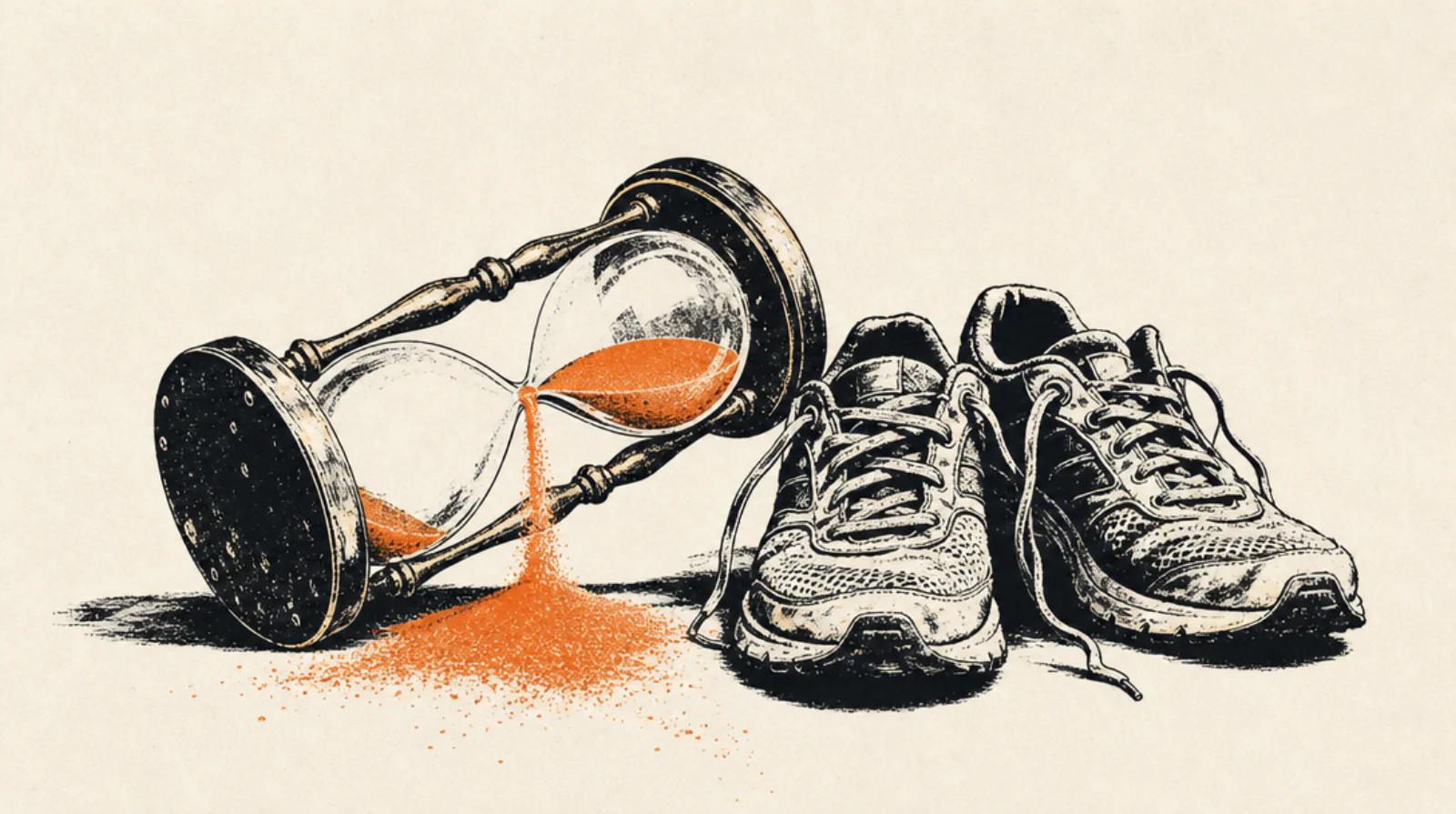
Editorial ink illustration of a brass hourglass tipped beside worn running shoes, the pouring sand in ember orange
Game mechanicsNovember 22, 2026

How to Add a Stamina System

Stamina turns running, dodging and attacking into a budget. Here are the numbers that make it a decision instead of a nag.

6 min read
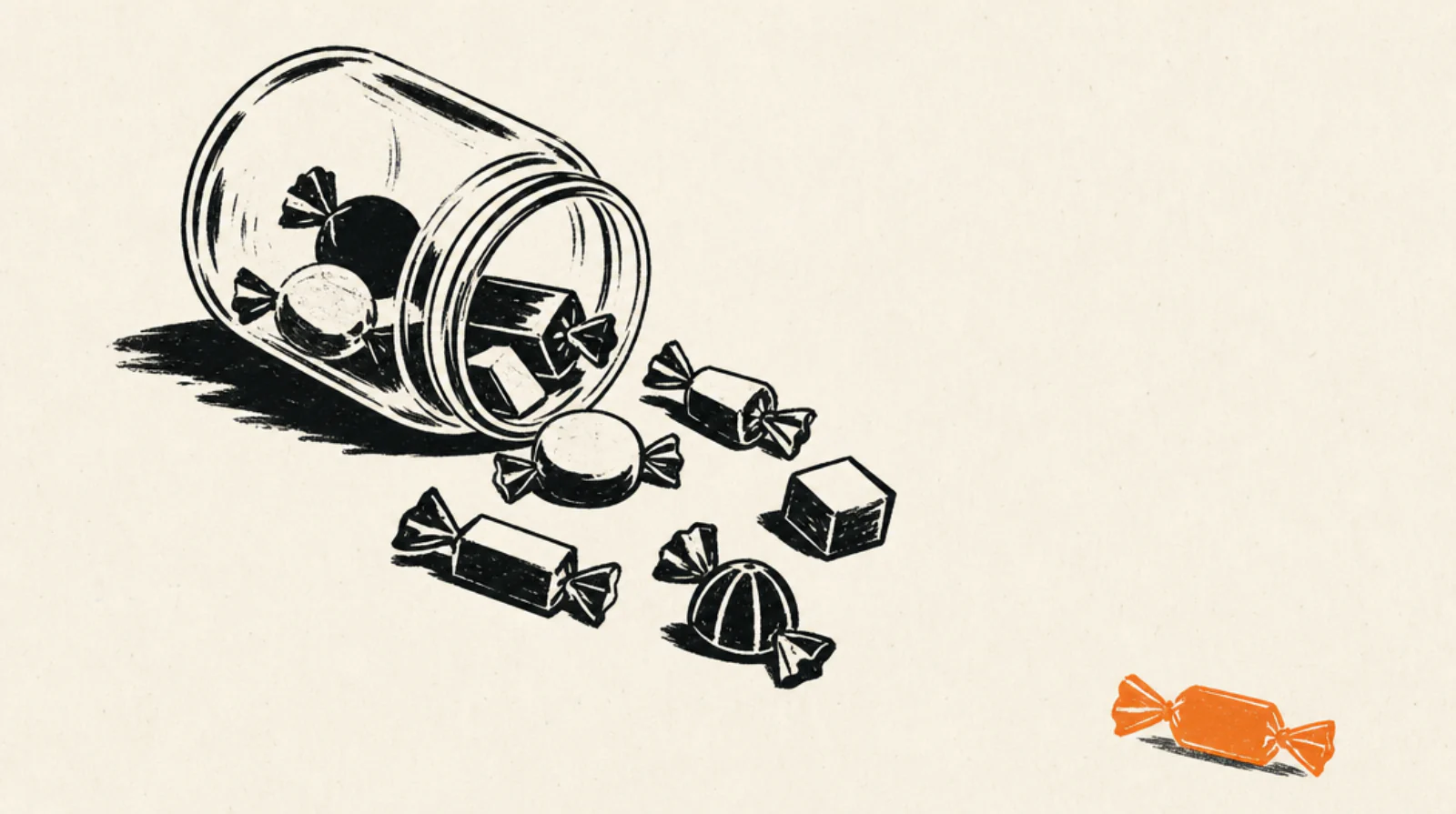
Editorial ink illustration of a glass jar of wrapped candies spilling across a table, the candy rolling furthest in ember orange
Game mechanicsNovember 22, 2026

How to Design Power-Ups

A power-up is a short promise: for the next eight seconds, you are a different game. Here is how to make that promise readable, fair and worth chasing.

6 min read
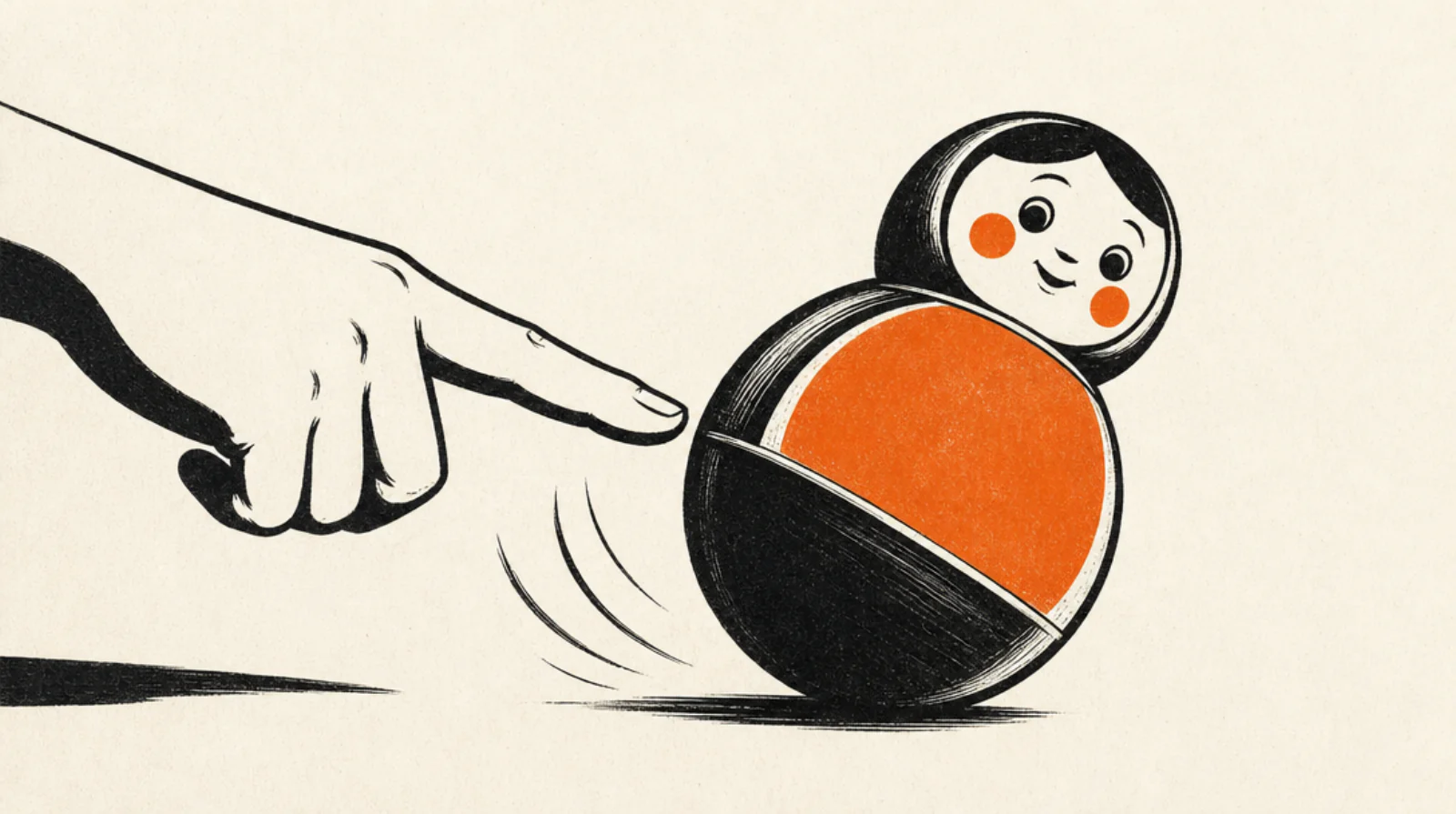
Editorial ink illustration of a wooden roly-poly toy tipped back mid-wobble after a nudge, its painted belly in ember orange
Game mechanicsNovember 22, 2026

Knockback and Invincibility Frames

Getting hit should push you back, take control for a blink, then protect you long enough to recover. Here are the numbers and the traps.

6 min read
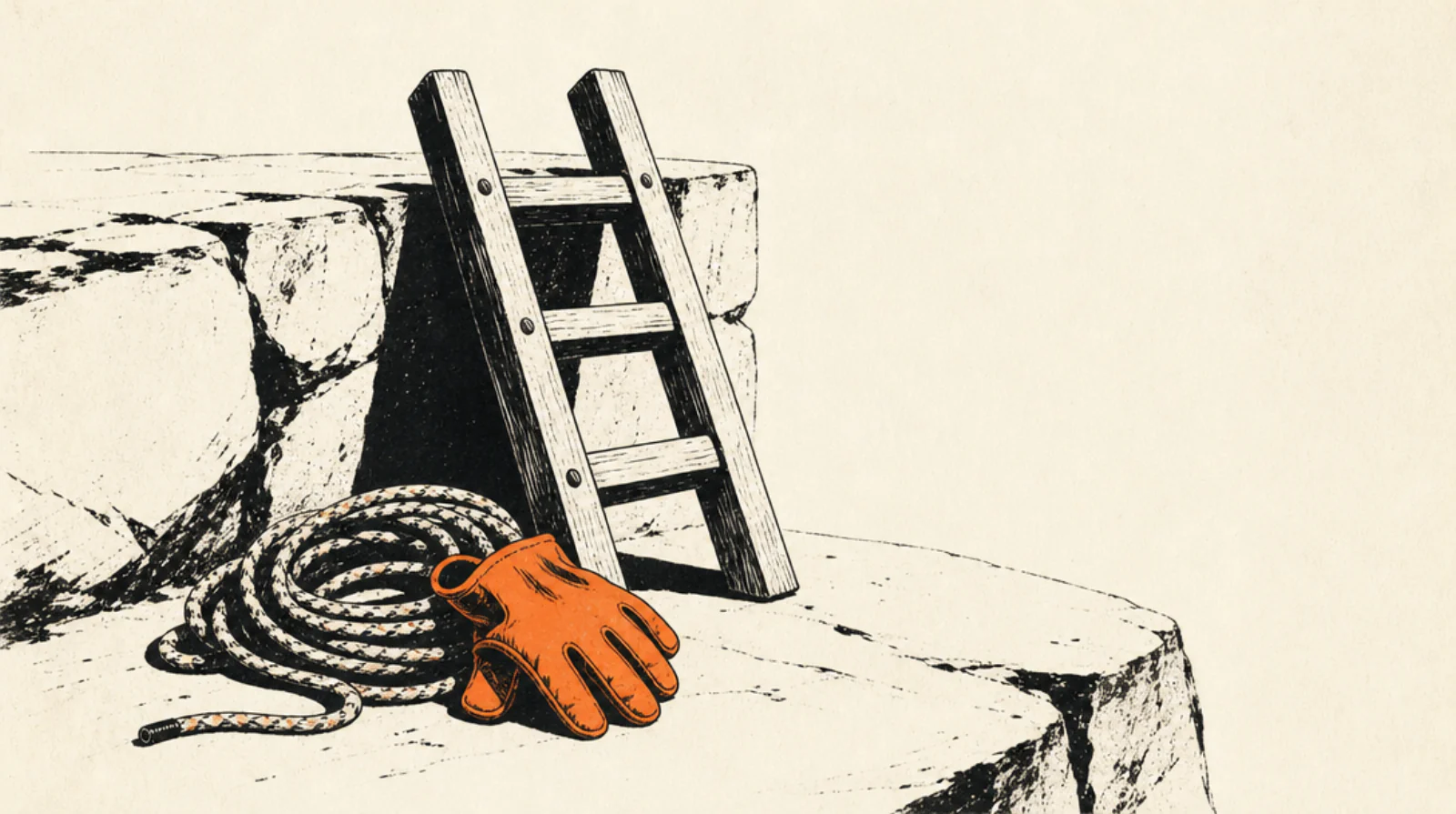
Editorial ink illustration of a wooden ladder against a stone ledge with rope and a climbing glove at its foot, the glove in ember orange
Game mechanicsNovember 22, 2026

Ladders and Climbing

A ladder is a small state machine with three hard moments: grabbing on, the top, and getting off. Get those right and climbing stops feeling sticky.

6 min read
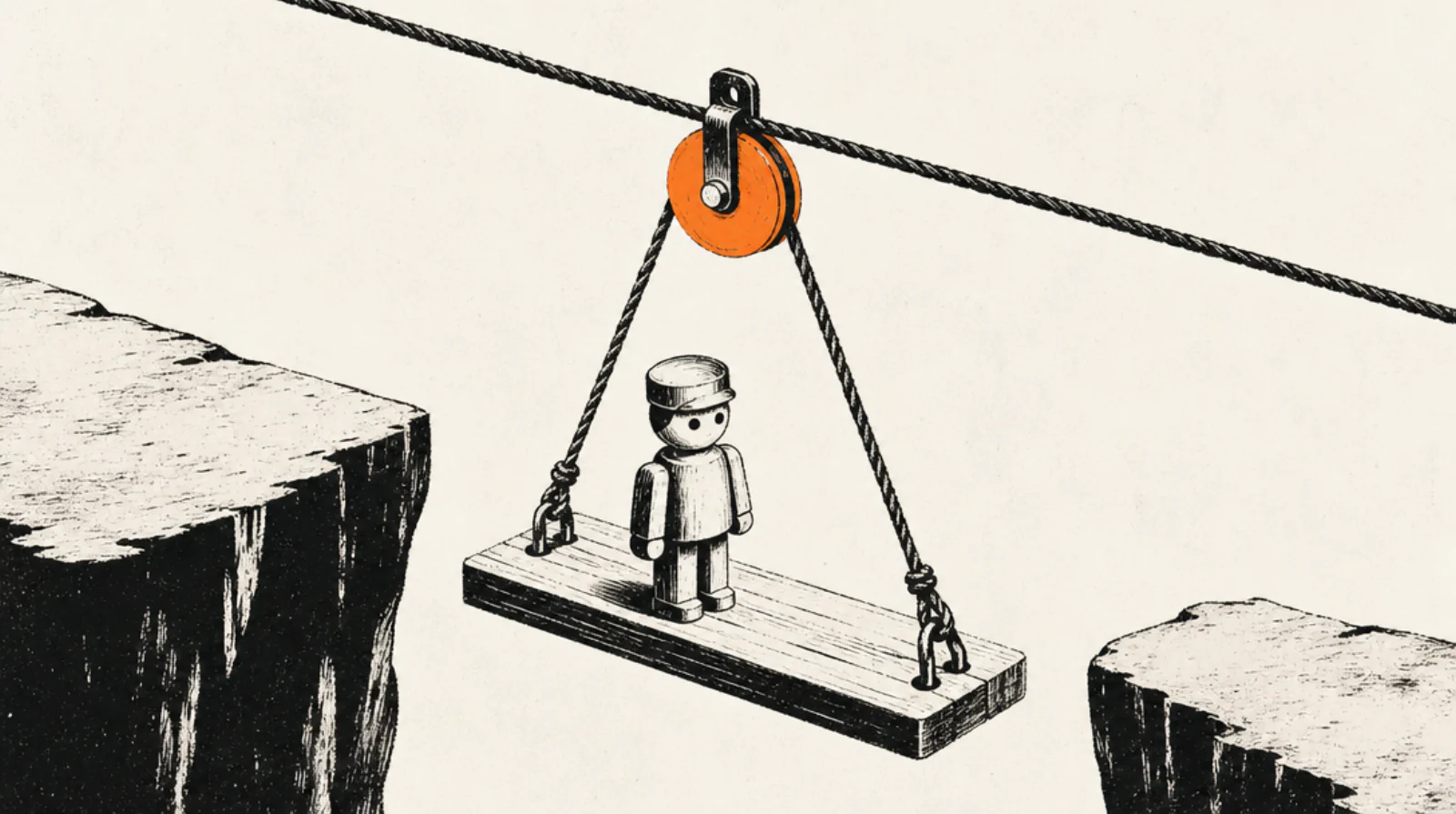
Editorial ink illustration of a wooden plank hanging from ropes over a gap with a toy figure on it, the pulley wheel in ember orange
Game mechanicsNovember 22, 2026

Moving and One-Way Platforms

Two platform types cause more platformer bugs than any enemy. Here is the update order, the collision rules and the edge cases that make them solid.

6 min read
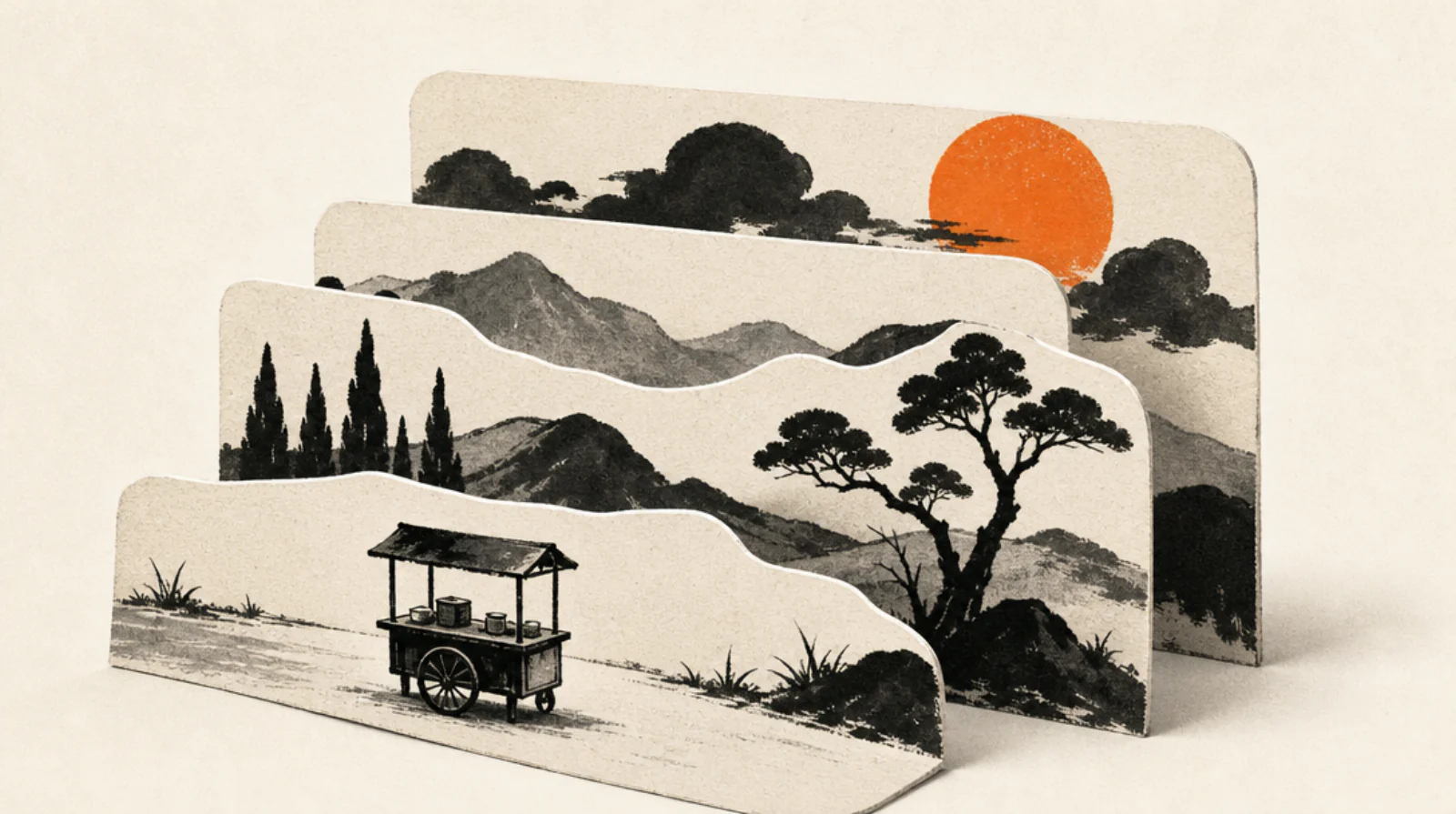
Editorial ink illustration of cut-paper landscape layers standing like a toy theater, the sun on the back layer in ember orange
Game mechanicsNovember 22, 2026

Parallax Scrolling Backgrounds

Parallax is one multiplication per layer, but the numbers, the seams and the jitter decide whether it reads as depth or as wallpaper sliding around.

7 min read
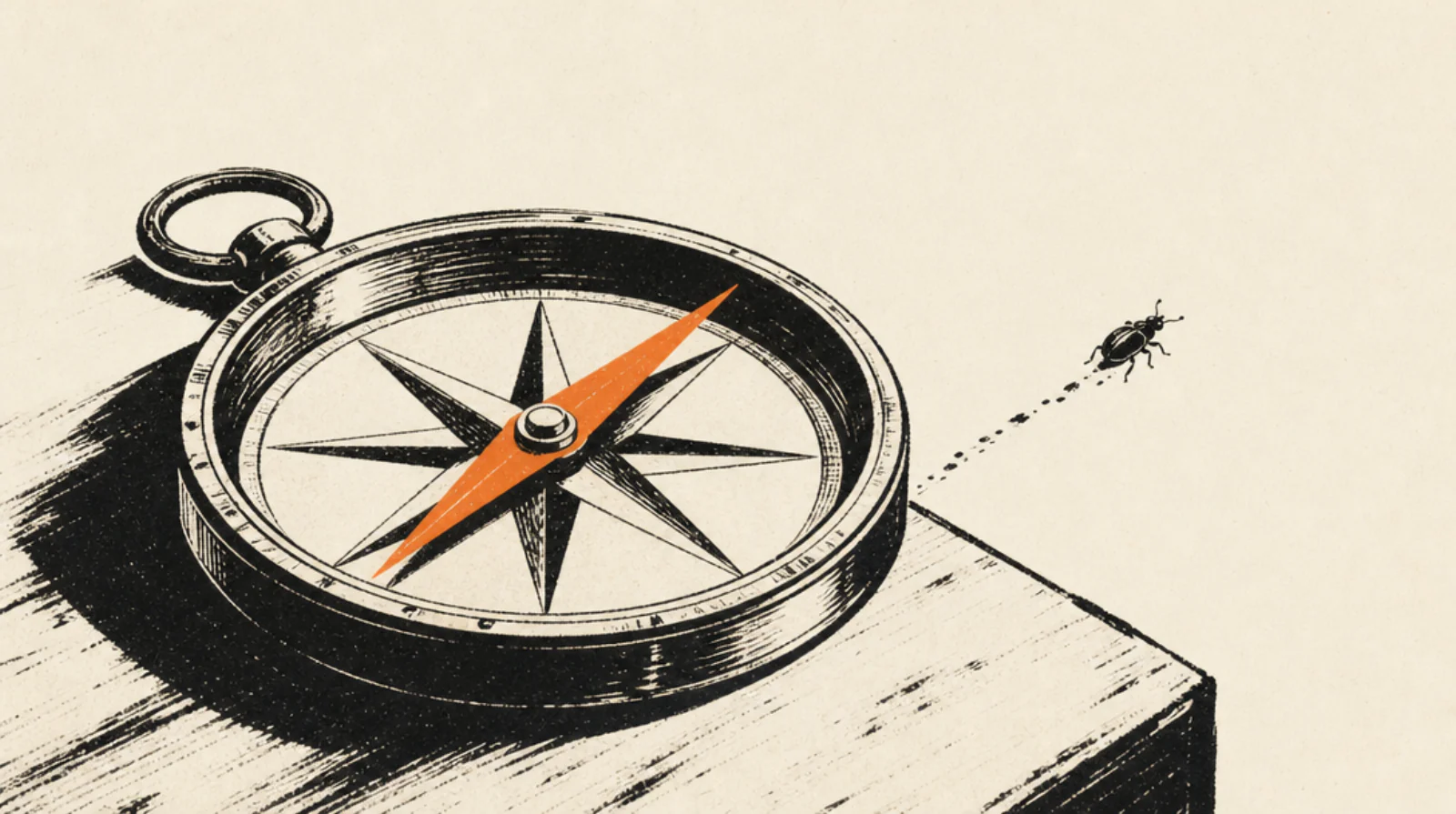
Editorial ink illustration of a brass eight-point compass rose with a small beetle walking off a diagonal, the needle in ember orange
Game mechanicsNovember 22, 2026

Smooth 8-Direction Top-Down Movement

Top-down movement looks like four lines of code. The difference between stiff and smooth is in diagonals, acceleration, walls and which way the character faces.

6 min read
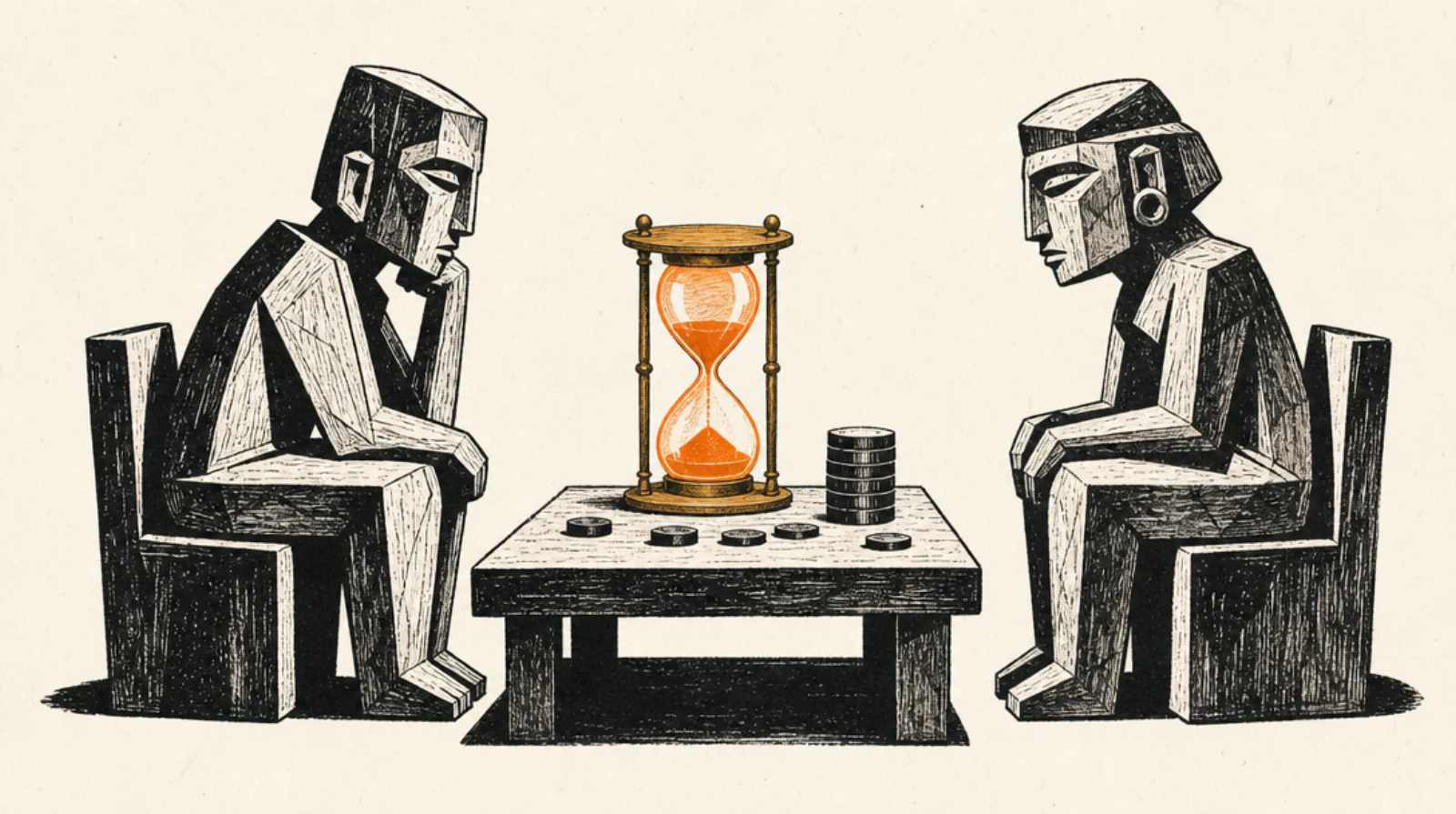
Editorial ink illustration of two carved wooden figures facing each other across a table with tokens between them, the hourglass in ember orange
Game mechanicsNovember 22, 2026

How to Make a Turn-Based Combat System

Turn-based combat is a state machine with a damage formula attached. Here are the turn order models, the formulas that scale and the edge cases that break battles.

6 min read
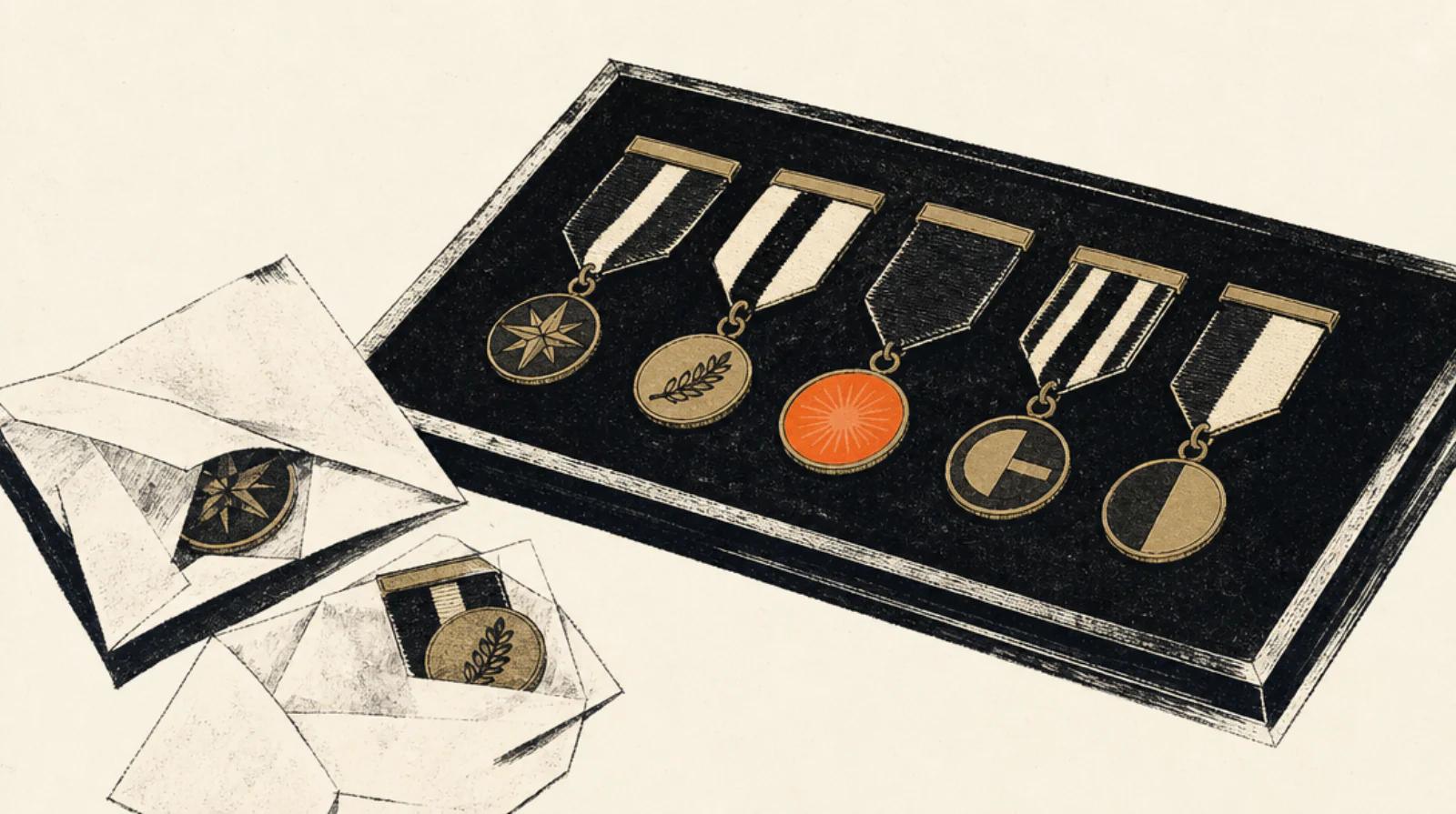
Editorial ink illustration of brass medals pinned to a felt board, some still wrapped in paper, one round medal in ember orange
Game mechanicsNovember 22, 2026

How to Add Achievements

Achievements are a second set of goals laid over your game. Done well, they point players at things they would have missed; done badly, they are a checklist nobody reads.

6 min read
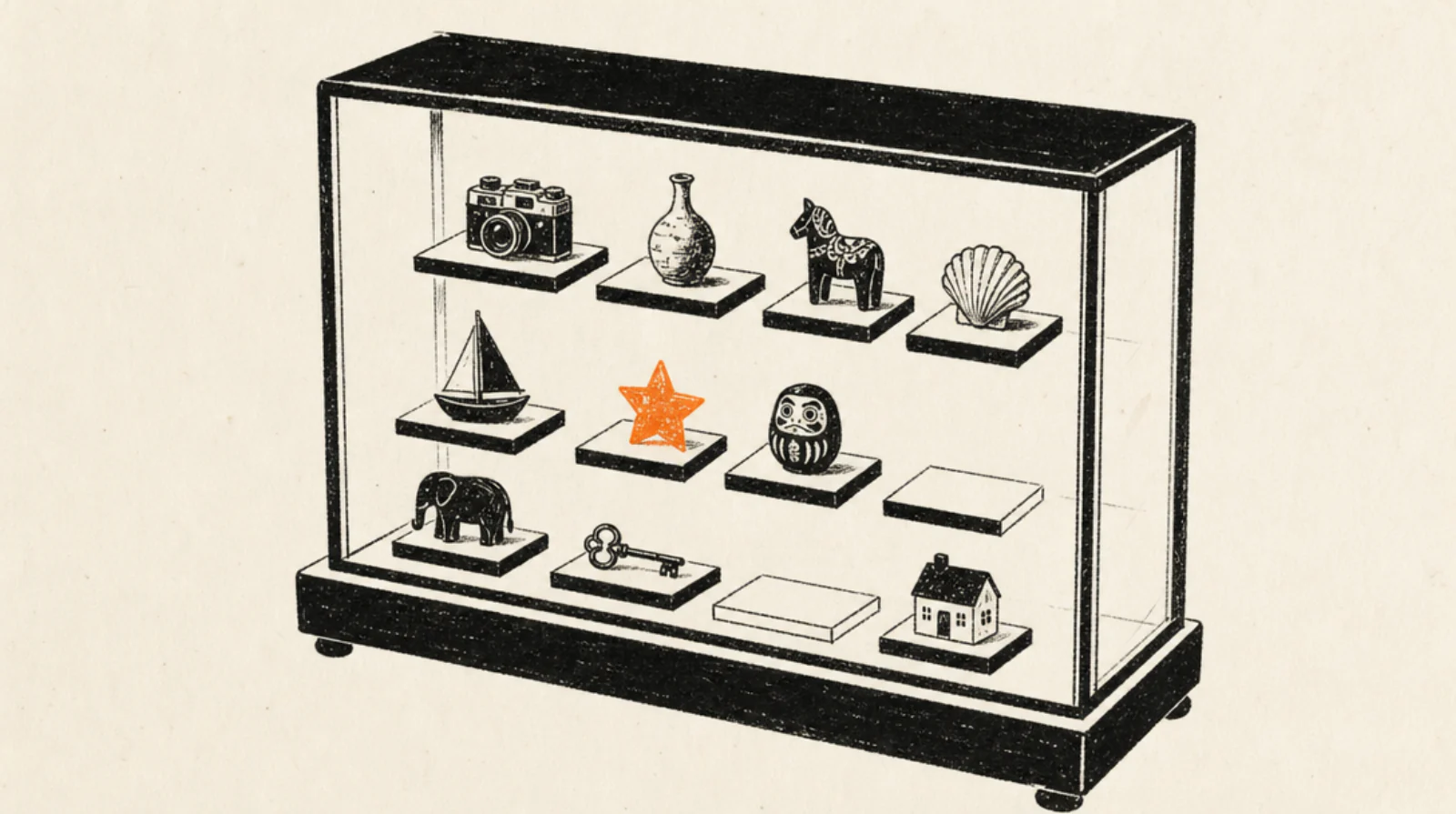
Editorial ink illustration of a glass display case with trinkets on small shelves and a few empty spots, one small star in ember orange
Game mechanicsNovember 22, 2026

Collectibles and 100 Percent Completion

Collectibles turn a level you finished into a level you want to finish properly. Here is how to place, count and track them so completionists stay happy.

6 min read
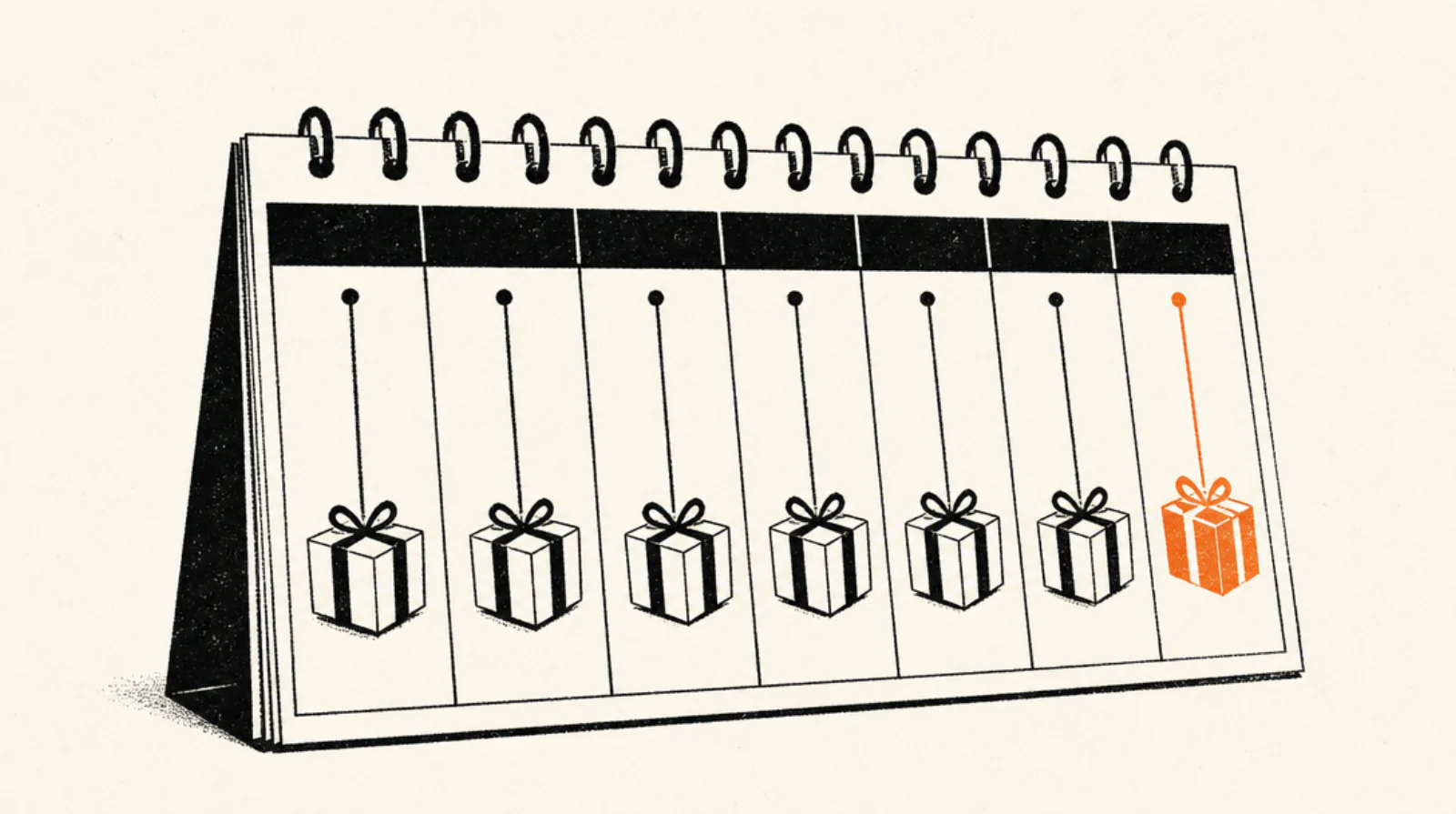
Editorial ink illustration of a wall calendar with seven small gift boxes tied to its days, the seventh gift box in ember orange
Game mechanicsNovember 22, 2026

Daily Rewards and Streaks Without the Dark Patterns

A daily reward should feel like a gift for coming back, not a fine for staying away. Here is how to build one that respects players and still works.

6 min read
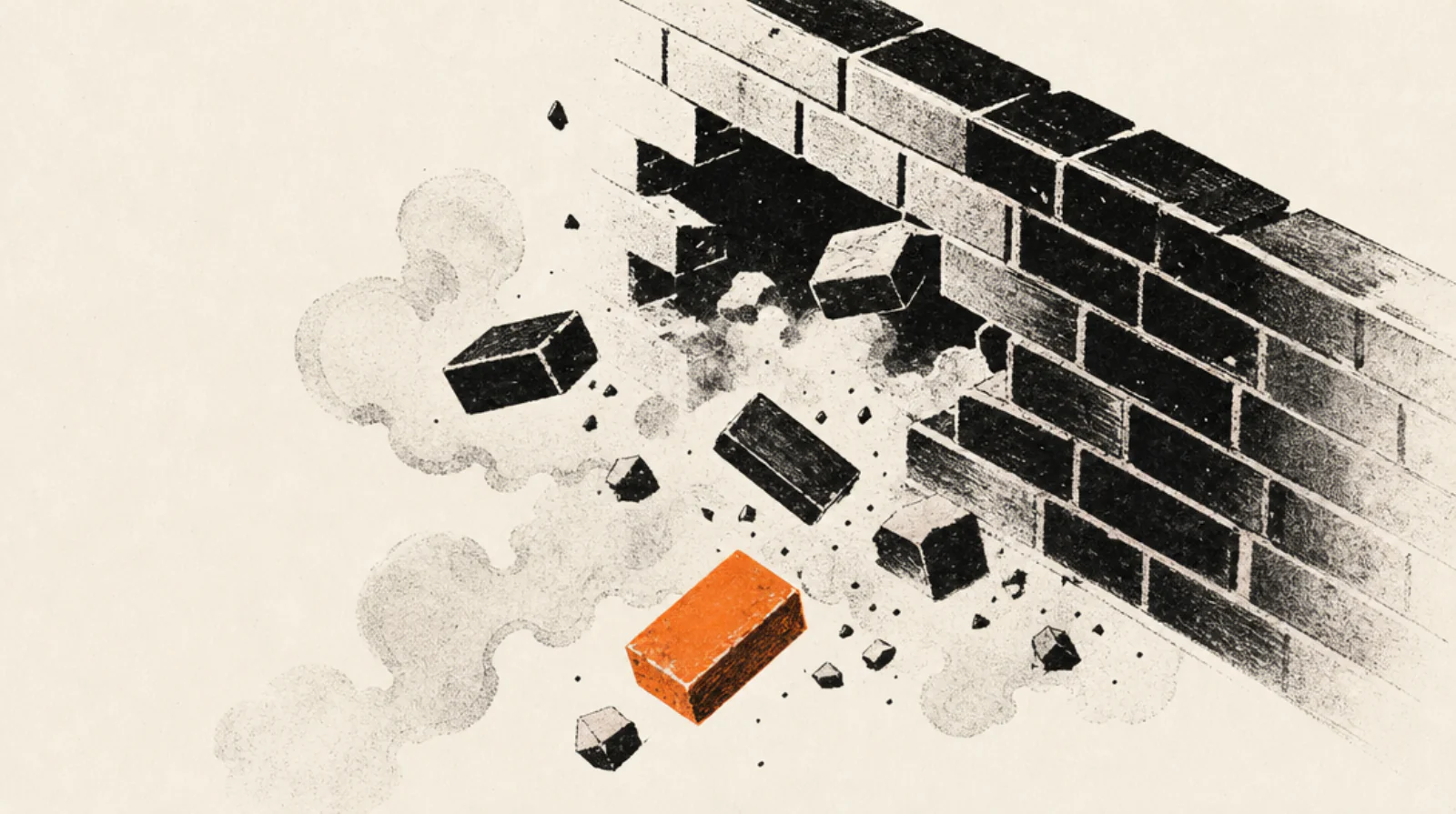
Editorial ink illustration of a cracked brick wall with bricks tumbling out and dust rising, one falling brick in ember orange
Game mechanicsNovember 22, 2026

Destructible Terrain and Objects

Breaking things is one of the oldest joys in games. The trick is choosing the right kind of destruction, so it stays fast and never breaks the level.

6 min read
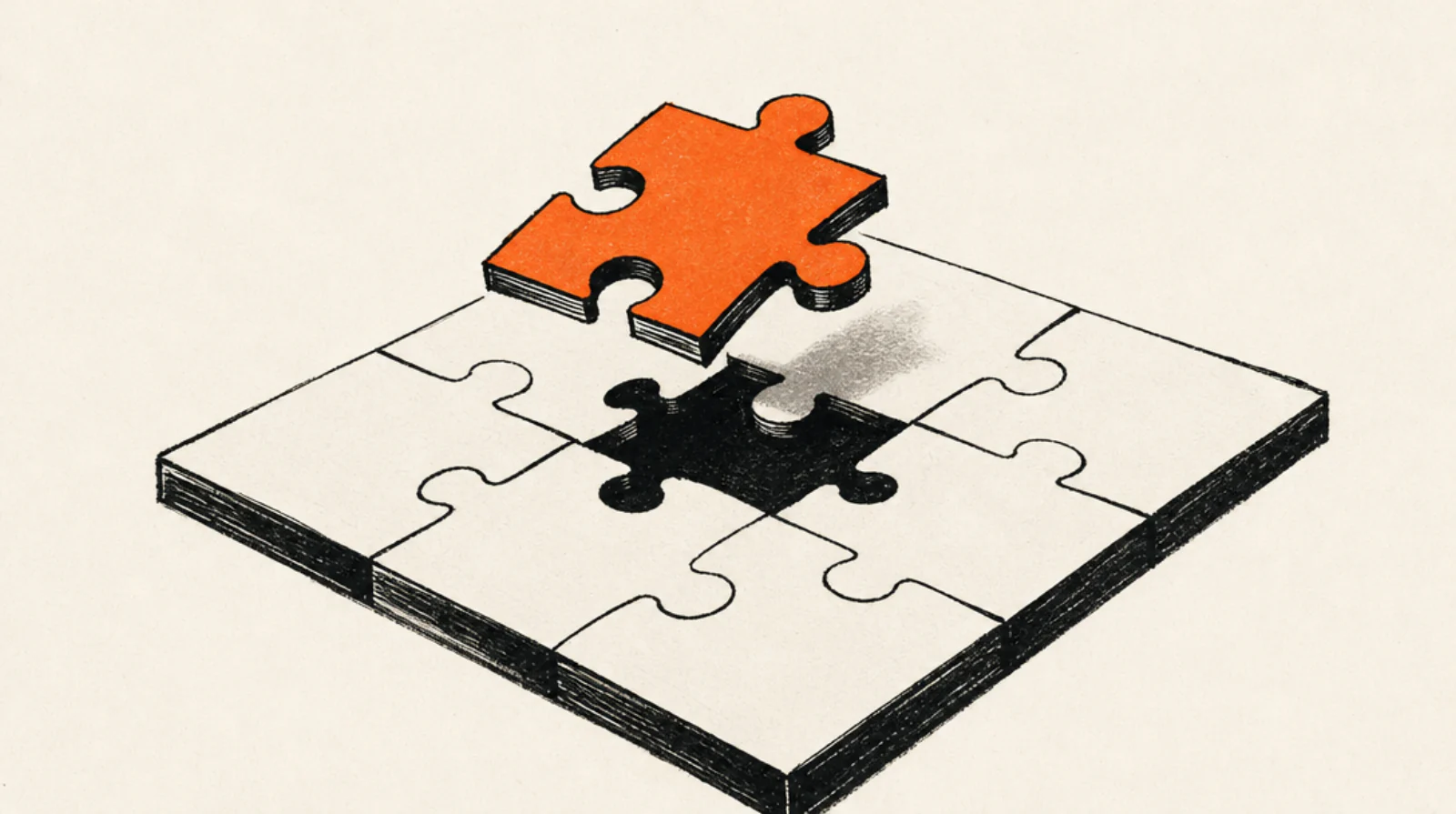
Editorial ink illustration of a jigsaw puzzle on a table with one piece lifted above its gap, the lifted piece in ember orange
Game mechanicsNovember 22, 2026

Drag and Drop Mechanics for Puzzle Games

Dragging is the most physical thing a player can do on a screen. Get the pickup, the snap and the return right and a puzzle feels like holding real pieces.

6 min read
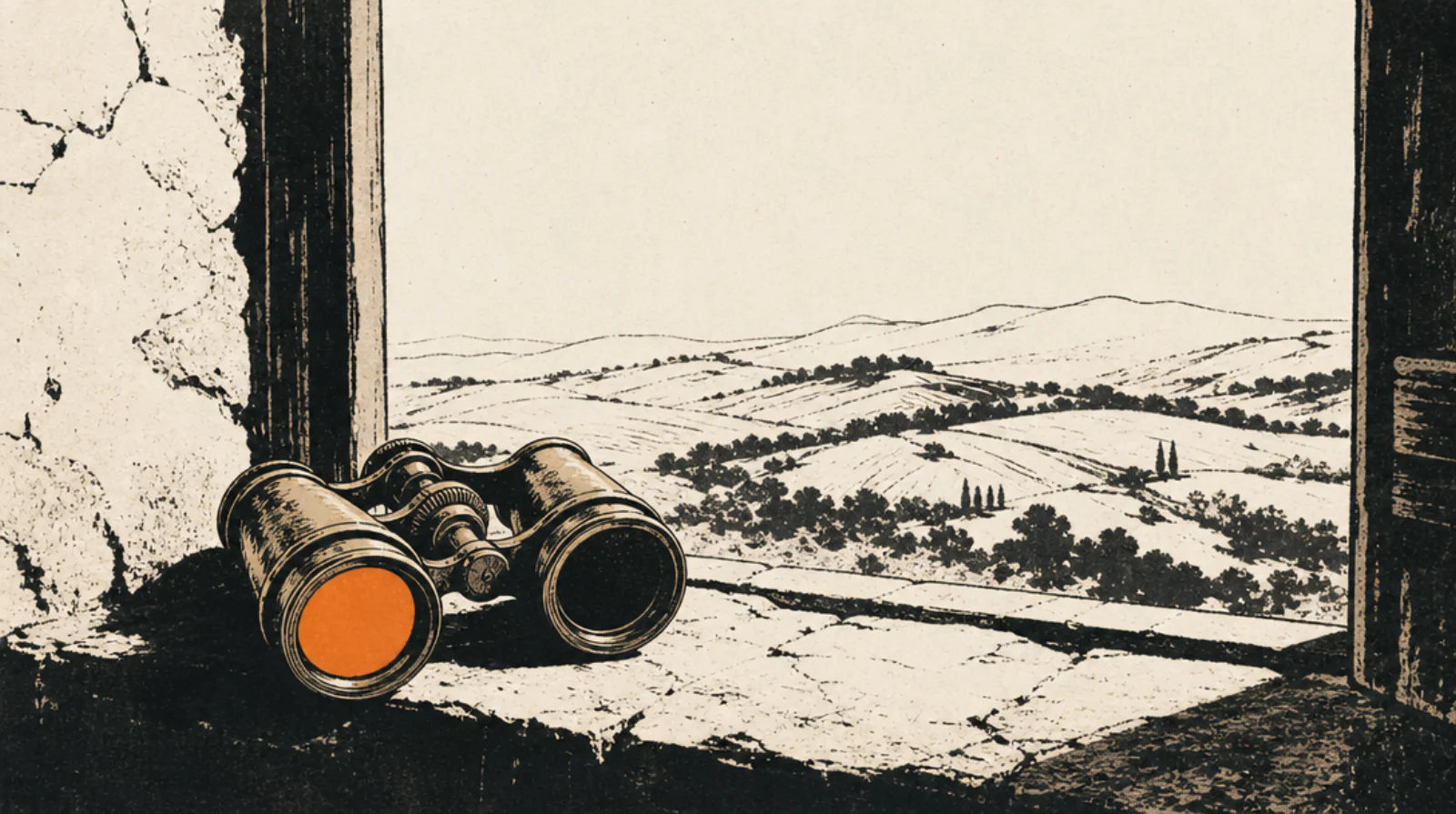
Editorial ink illustration of brass binoculars on a stone windowsill overlooking hills, the left binocular lens in ember orange
Game mechanicsNovember 22, 2026

A First-Person Controller for Browser Games

In first person, the controller is the player's body and the camera is their eyes. Every value is felt directly, so small mistakes feel big.

6 min read
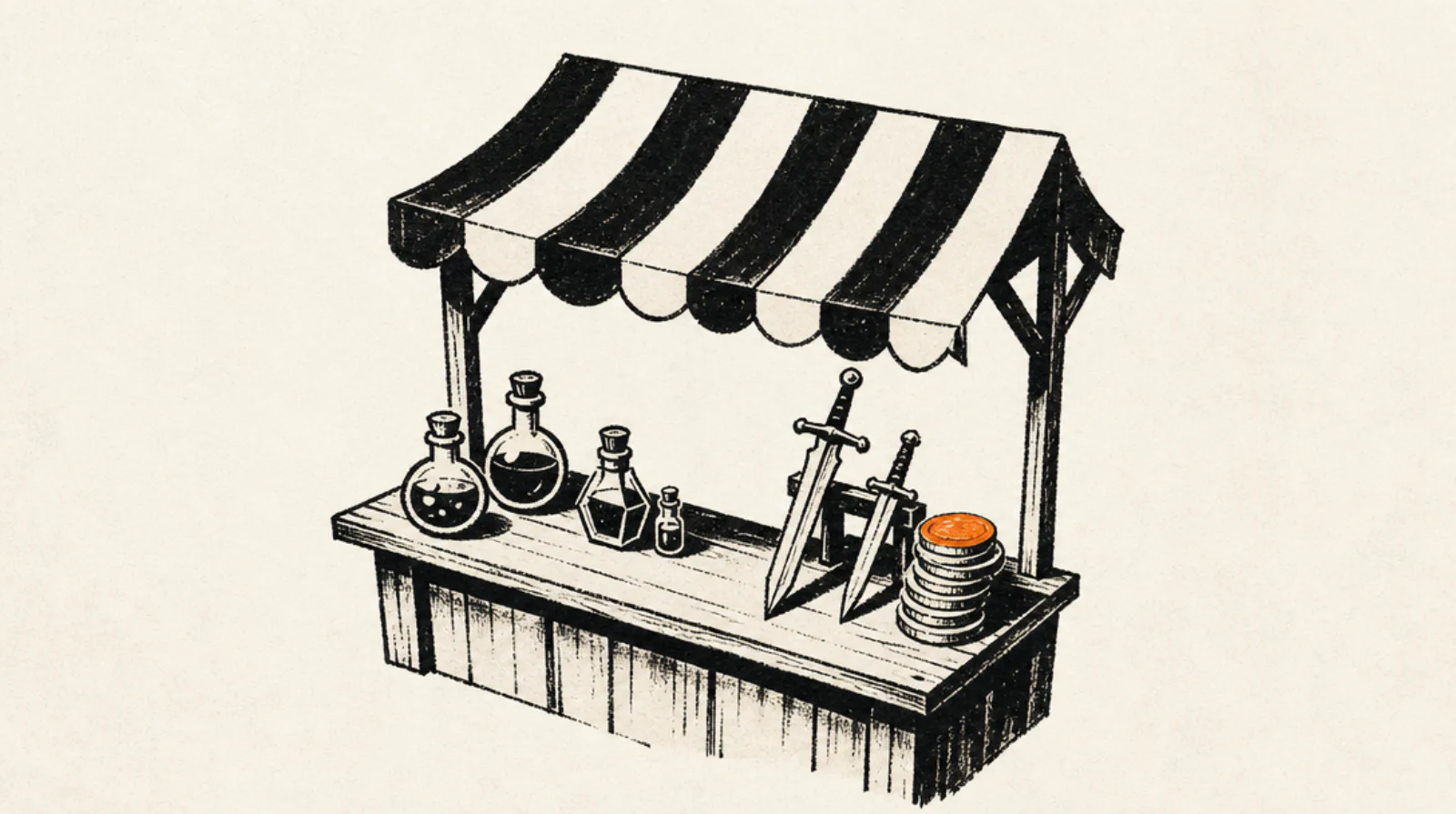
Editorial ink illustration of a wooden market stall with potions, swords and a stack of coins, the top coin in ember orange
Game mechanicsNovember 22, 2026

In-Game Shops and Currencies

A shop is where your economy becomes visible. Price it from how fast players earn, keep it honest, and it becomes the most satisfying screen in the game.

6 min read
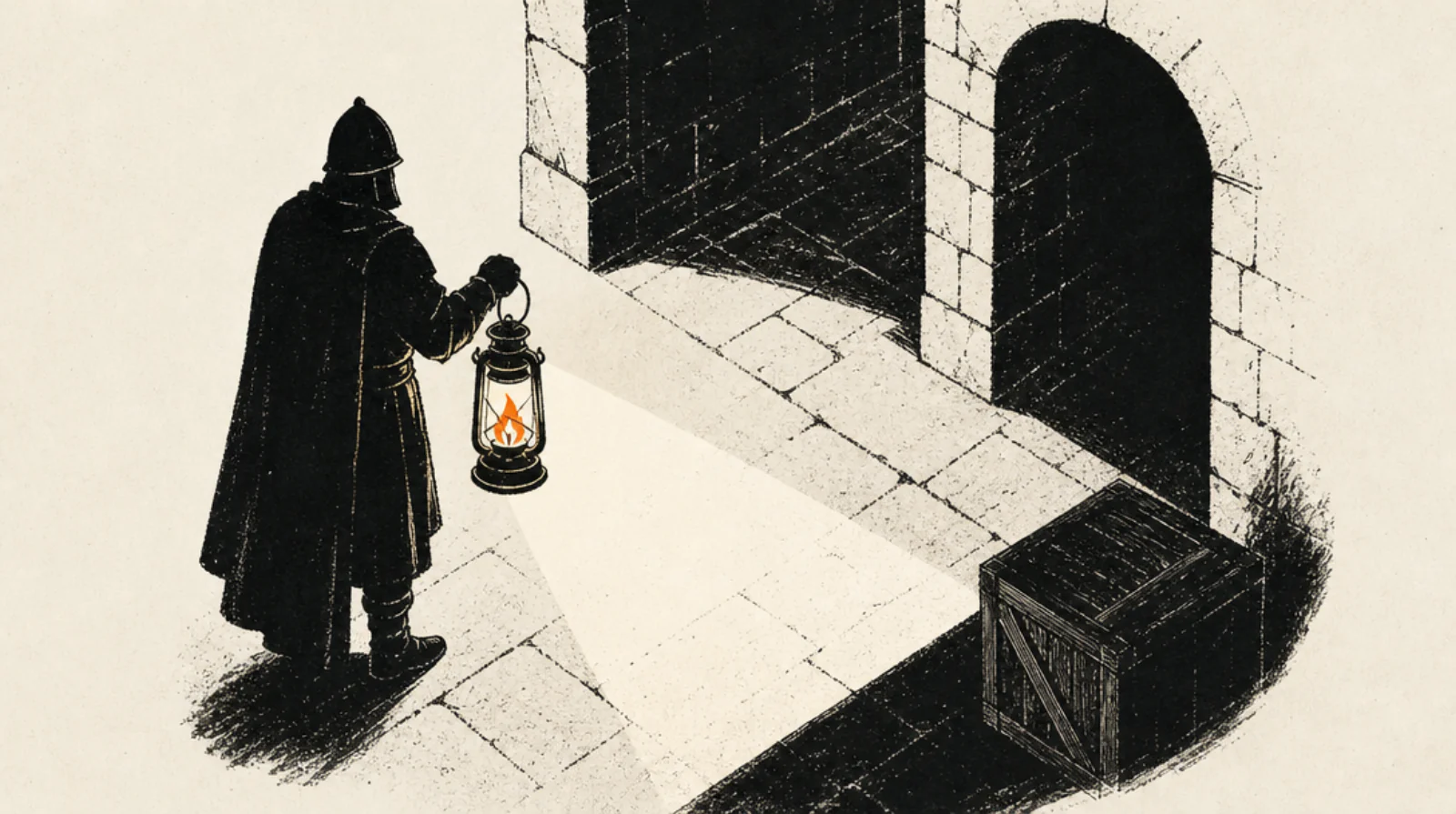
Editorial ink illustration of a cloaked guard holding a lantern whose light falls across a stone corridor, the lantern flame in ember orange
Game mechanicsNovember 22, 2026

Line of Sight and Stealth Detection

Stealth works when players can read exactly what the guard can see and hear. Here is the detection model, with numbers, that keeps getting caught fair.

6 min read
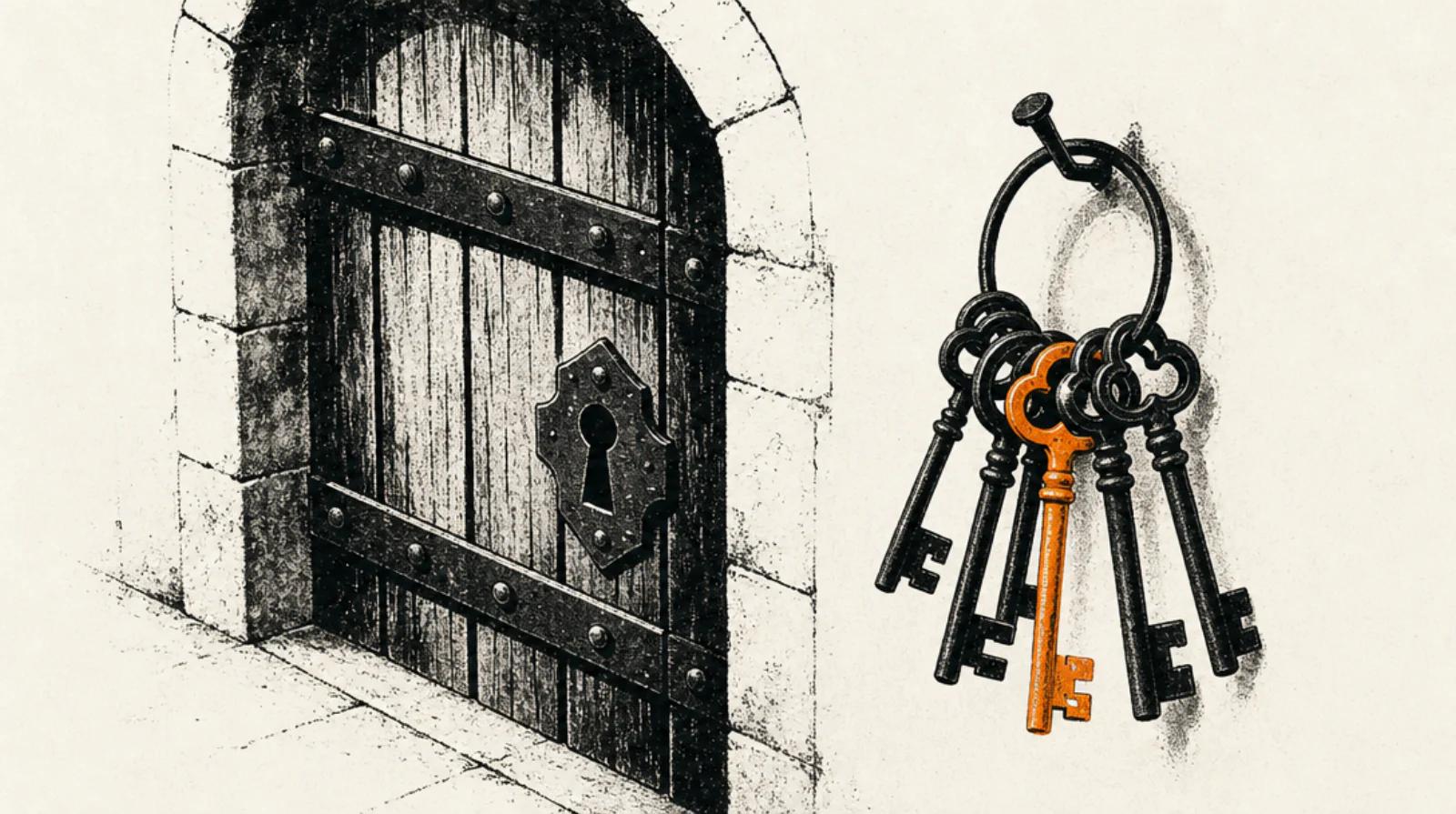
Editorial ink illustration of a banded wooden dungeon door with a ring of keys on a nail beside it, one key in ember orange
Game mechanicsNovember 22, 2026

Locks, Keys and Doors

A locked door is a promise: there is something behind this, and you will find the way in. Here is how to build the mechanic so the promise is always kept.

7 min read
Editorial ink illustration of a reel-to-reel tape machine with its pause key pressed and a row of knobs, the pause key in ember orange
Game mechanicsNovember 22, 2026

Pause Menus and Settings Screens

Pause looks like a menu but is really a promise: nothing happens to you while you are gone. Here is how to keep it, and the settings every game should offer.

5 min read
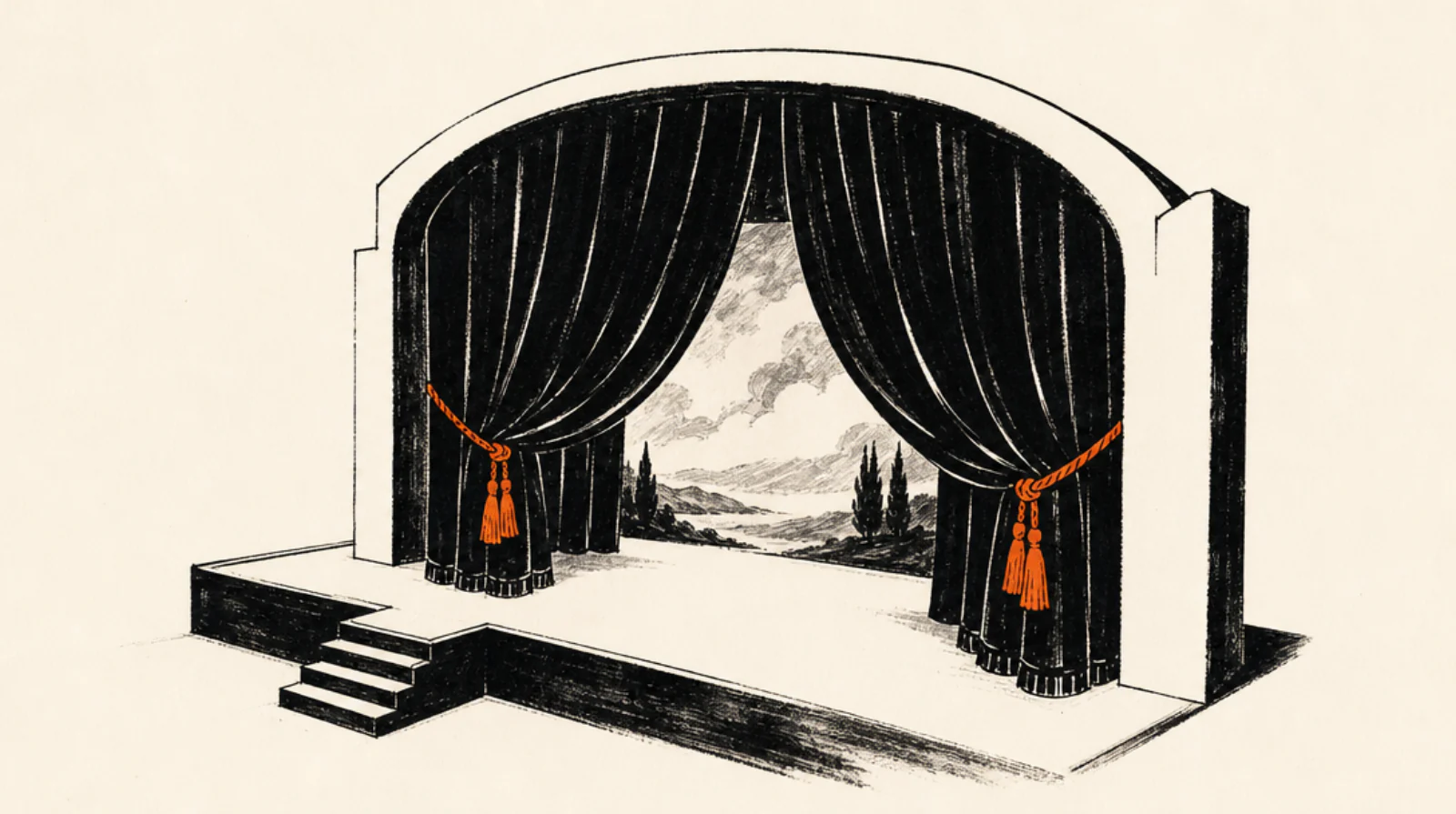
Editorial ink illustration of a small theater stage with velvet curtains half closed, the curtain tie rope in ember orange
Game mechanicsNovember 22, 2026

Scene Transitions That Feel Good

Players pass through transitions hundreds of times. A good one is quick, hides the loading and never swallows a button press.

6 min read
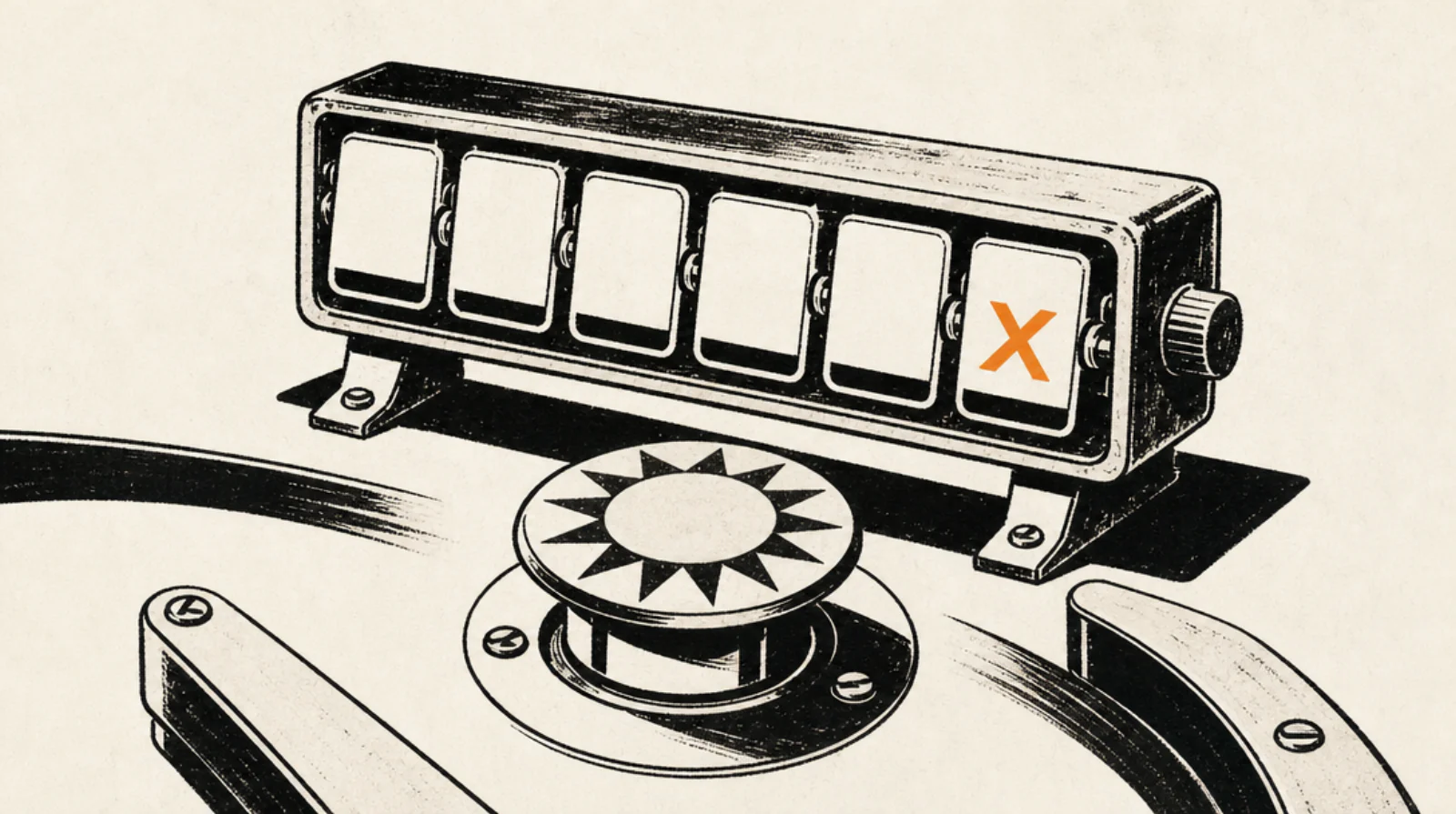
Editorial ink illustration of a mechanical flip-tile scoreboard above a pinball bumper, the multiplier tile in ember orange
Game mechanicsNovember 22, 2026

Score Multipliers and Chains

A multiplier turns a score from a tally into a tightrope: the longer you keep it going, the more every action is worth and the more you stand to lose.

5 min read
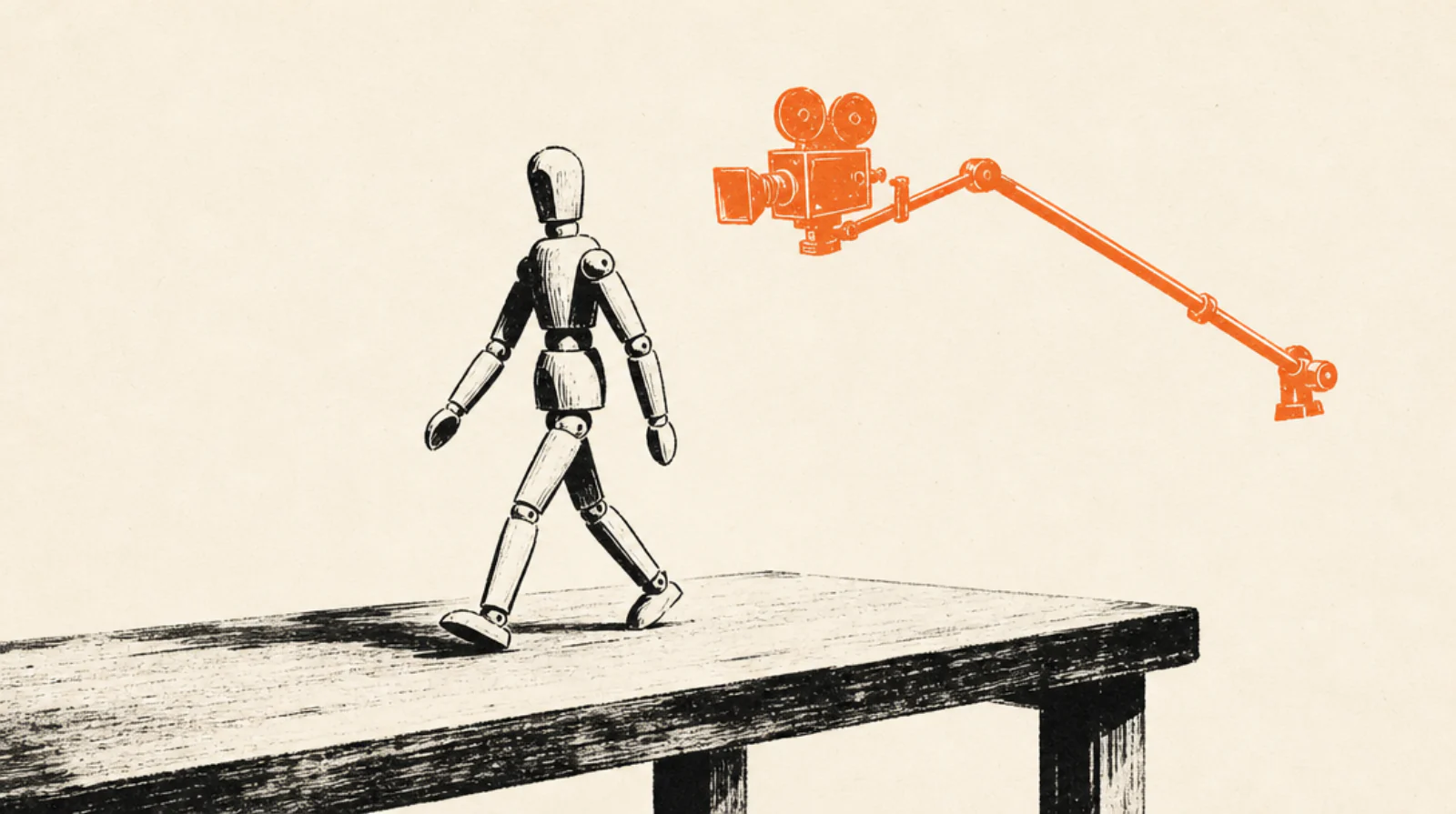
Editorial ink illustration of a wooden mannequin walking on a tabletop with a small film camera on a boom arm behind its shoulder, the camera in ember orange
Game mechanicsNovember 22, 2026

A Third-Person Character and Camera Controller

A third-person controller is two systems that have to agree: a character that moves where the stick points, and a camera that decides what "forward" means.

6 min read
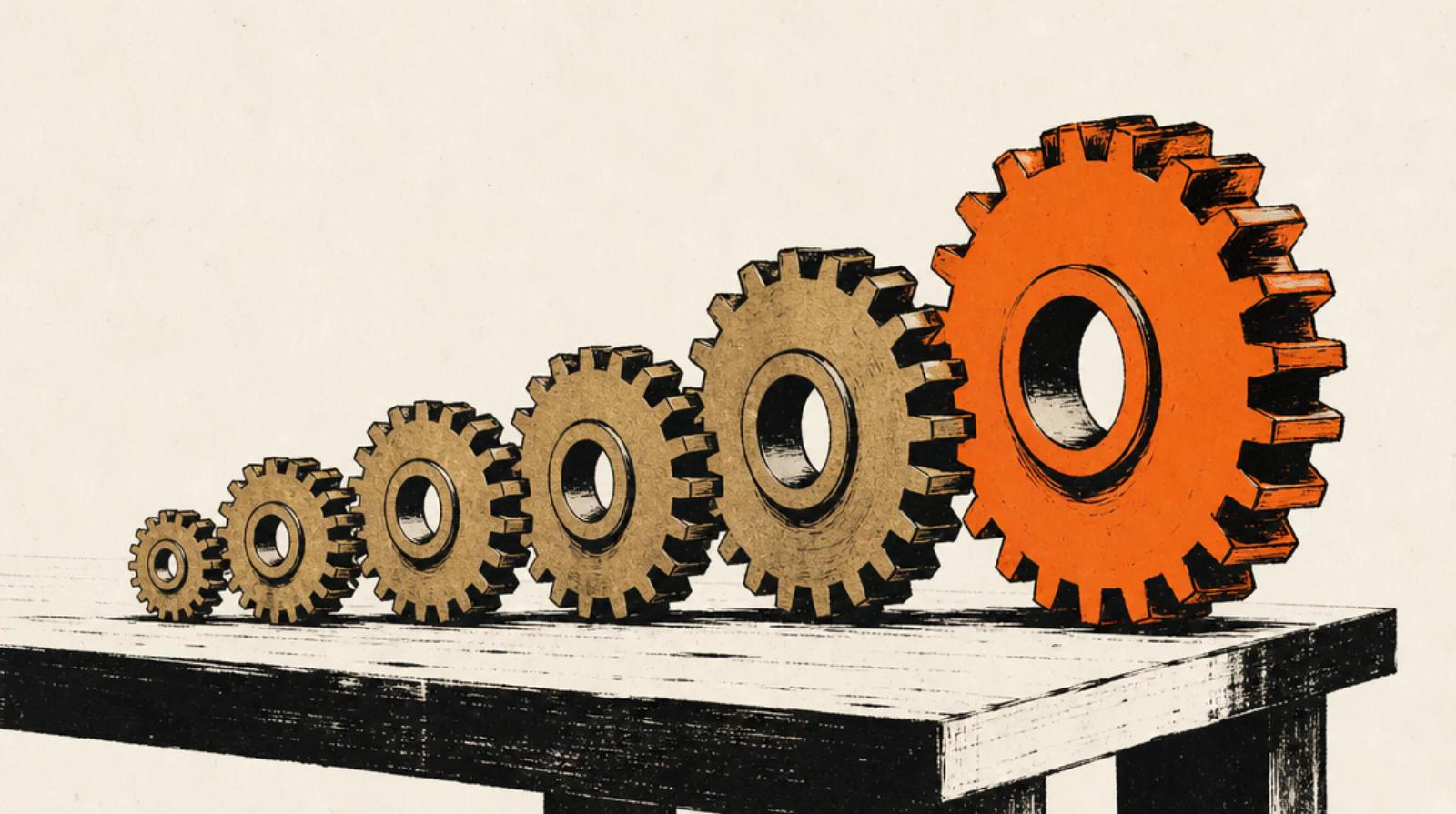
Editorial ink illustration of five meshed brass gears of growing size on a workbench, the largest gear in ember orange
Game mechanicsNovember 22, 2026

Upgrade Systems and Progression

Upgrades are the promise that the next run will be a little better. The math behind them decides whether that promise lasts five hours or five minutes.

6 min read
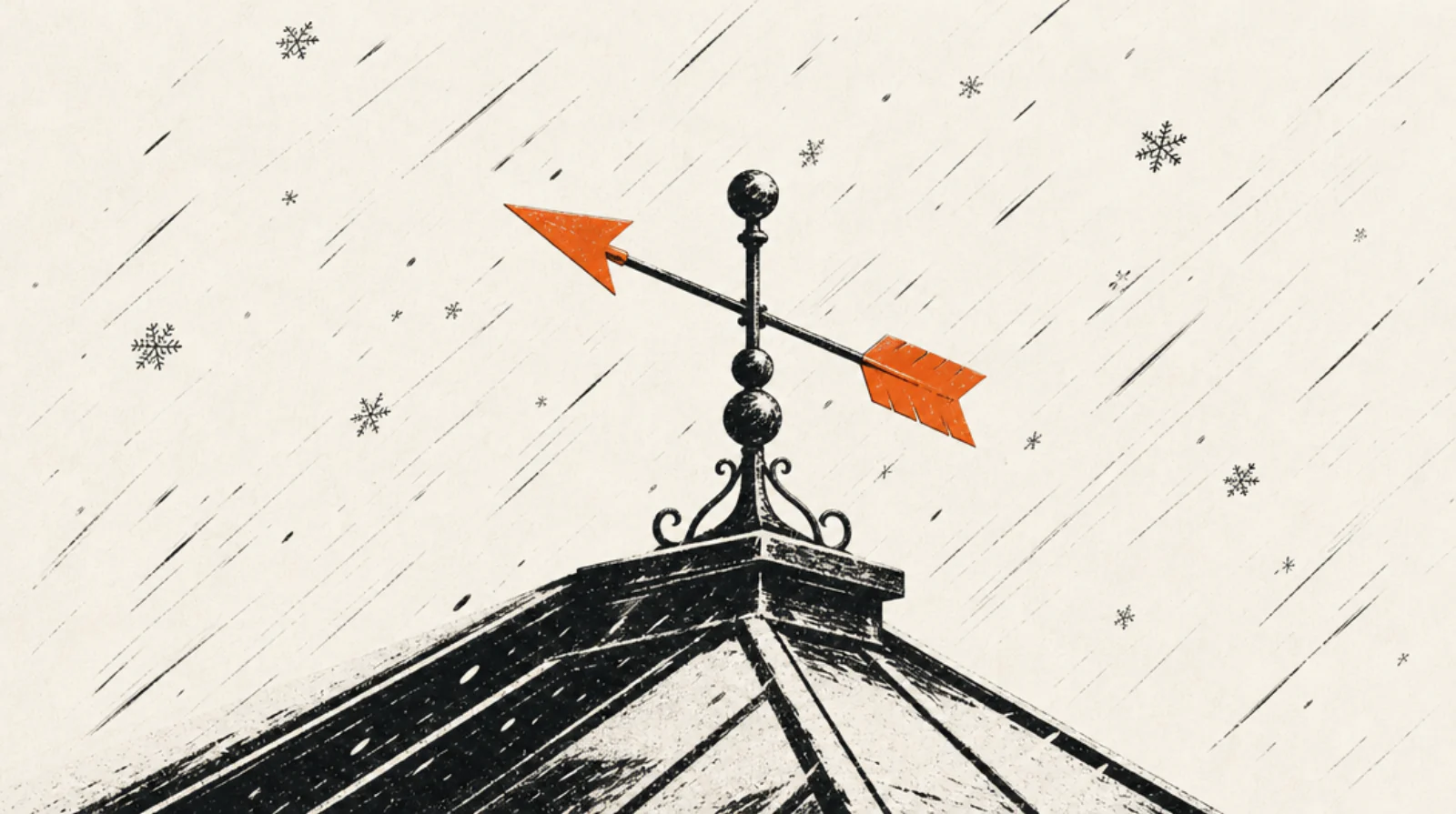
Editorial ink illustration of a brass weathervane on a rooftop in slanted rain and blowing snow, the weathervane arrow in ember orange
Game mechanicsNovember 22, 2026

Rain, Snow and Wind Effects

Weather is the cheapest way to make a level feel alive, and one of the easiest ways to drop frames on a phone. Here is how to get the first without the second.

6 min read

Apps, games, backends and publishing from one conversation.

Product

  • Features
  • Use cases
  • Pricing
  • Changelog

Resources

  • Blog
  • Docs
  • Support
  • Status
  • Security

Contact

  • w@startbase.ai
  • X / Twitter
  • LinkedIn
  • Instagram

Legal

  • Terms
  • Privacy

© 2026 Startbase. All rights reserved.