Skip to content
AI-powered appsNewChat, vision, voice, generationBookings & schedulingAppointments that book themselvesShops & sellingA storefront in every pocketClient & businessRun the operation from one placeCommunities & clubsA home that is not a group chat
Health & wellnessHabits, tracking and calmGames2D, 3D and multiplayerPersonal & toolsThe tool you wish existedInternal toolsThe tool ops never had time for
See all use cases
ArcadeNewPricingSecurity
EngineThe game engine and World EditorHow it worksFrom one sentence to a live productDocsGuides for building and publishingBlogStories, guides and newsChangelogWhat shipped latelyStatusUptime of every serviceSupportGet help from the team
AI-powered appsBookings & schedulingShops & sellingClient & businessCommunities & clubsHealth & wellnessGamesPersonal & toolsInternal tools
See all use cases
ArcadeNewPricingSecurity
EngineHow it worksDocsBlogChangelogStatusSupport
Language
Blog

Game design

The craft behind games that feel good: game feel, level design, difficulty, sound, controls, cameras and performance on phones.

20 articles
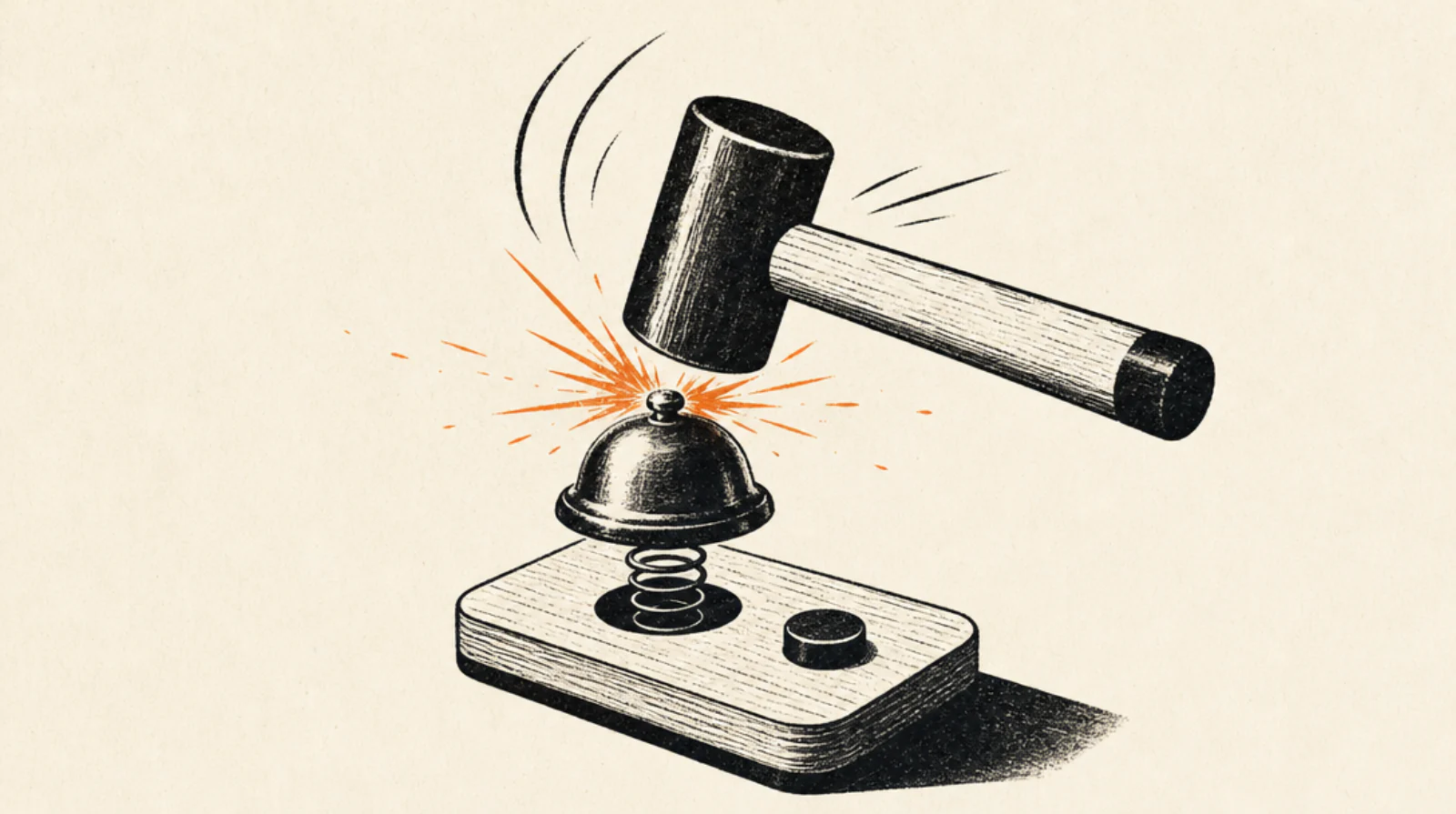
Editorial ink illustration of a toy hammer striking a bell on a spring, the impact spark in ember orange
Game designNovember 22, 2026

Game Feel: How to Make Your Game Feel Juicy

Juice is the layer of feedback that makes a tap feel like a punch. Here are the techniques, the timings that work, and how to keep it from drowning the game.

7 min read
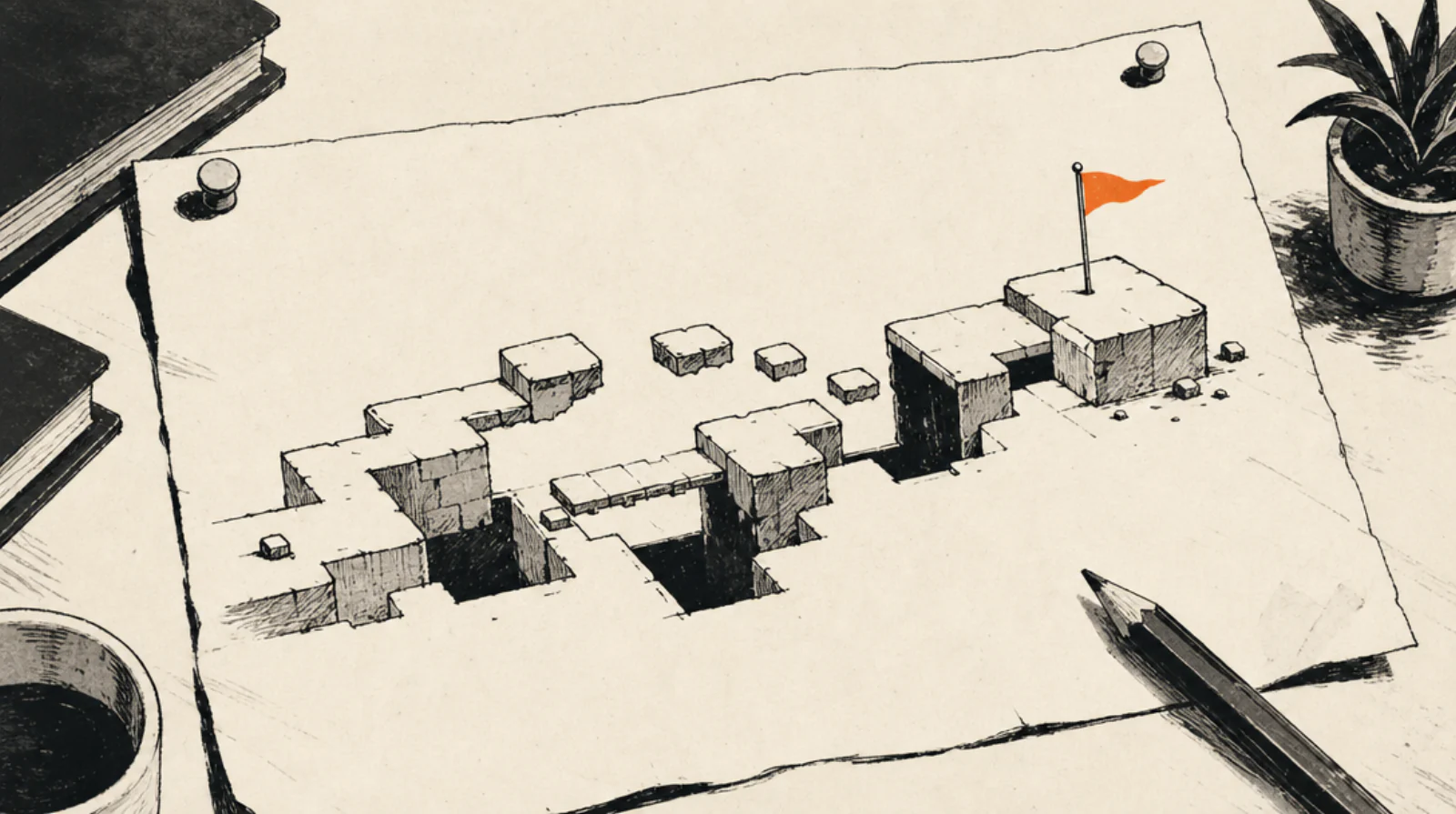
Editorial ink illustration of a hand-drawn level map pinned to a desk, the goal flag in ember orange
Game designNovember 22, 2026

Level Design Basics for Your First Game

Good levels teach one idea, test it, then twist it. Here is a repeatable method for designing levels that pace well, read clearly and never feel unfair.

6 min read
Editorial ink illustration of a mountain trail with switchbacks and rest benches, the hiker's lantern in ember orange
Game designNovember 22, 2026

How to Design a Difficulty Curve

A good difficulty curve is a sawtooth, not a ramp. Here is how to shape it, which numbers to turn, and when adaptive difficulty helps or hurts.

6 min read
Editorial ink illustration of three nested gears turning on a workbench, the smallest gear in ember orange
Game designNovember 22, 2026

How to Design a Core Game Loop

Every game is a few actions repeated with a reason to repeat them. Here is how to design the three nested loops that make that repetition feel good.

6 min read
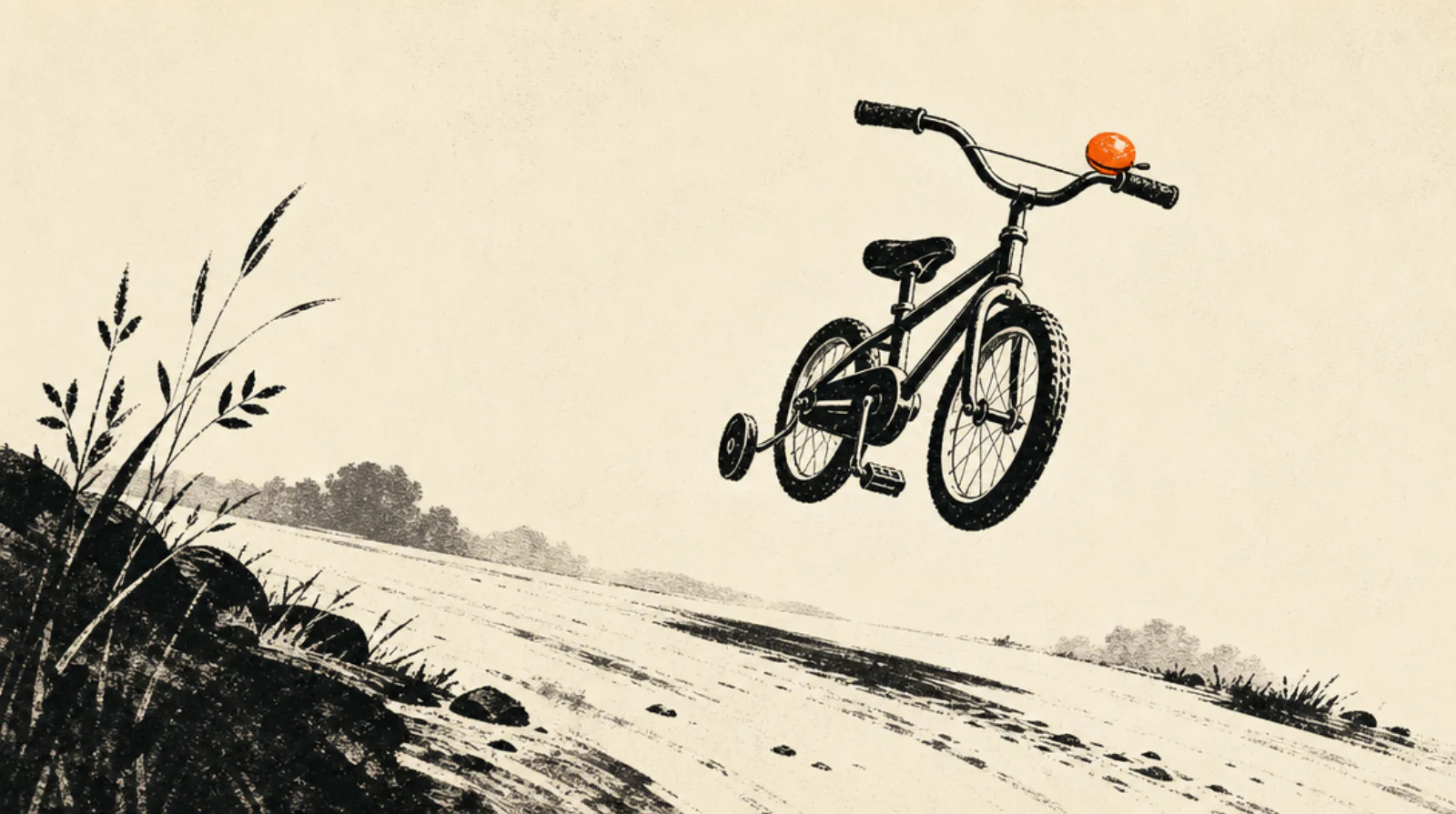
Editorial ink illustration of a bicycle rolling down a gentle path as its training wheels lift, the bell in ember orange
Game designNovember 22, 2026

How to Teach Players Without a Tutorial Wall

Players skip text and learn by doing. Here is how to teach your game through play: show, let them try, then get out of the way.

6 min read
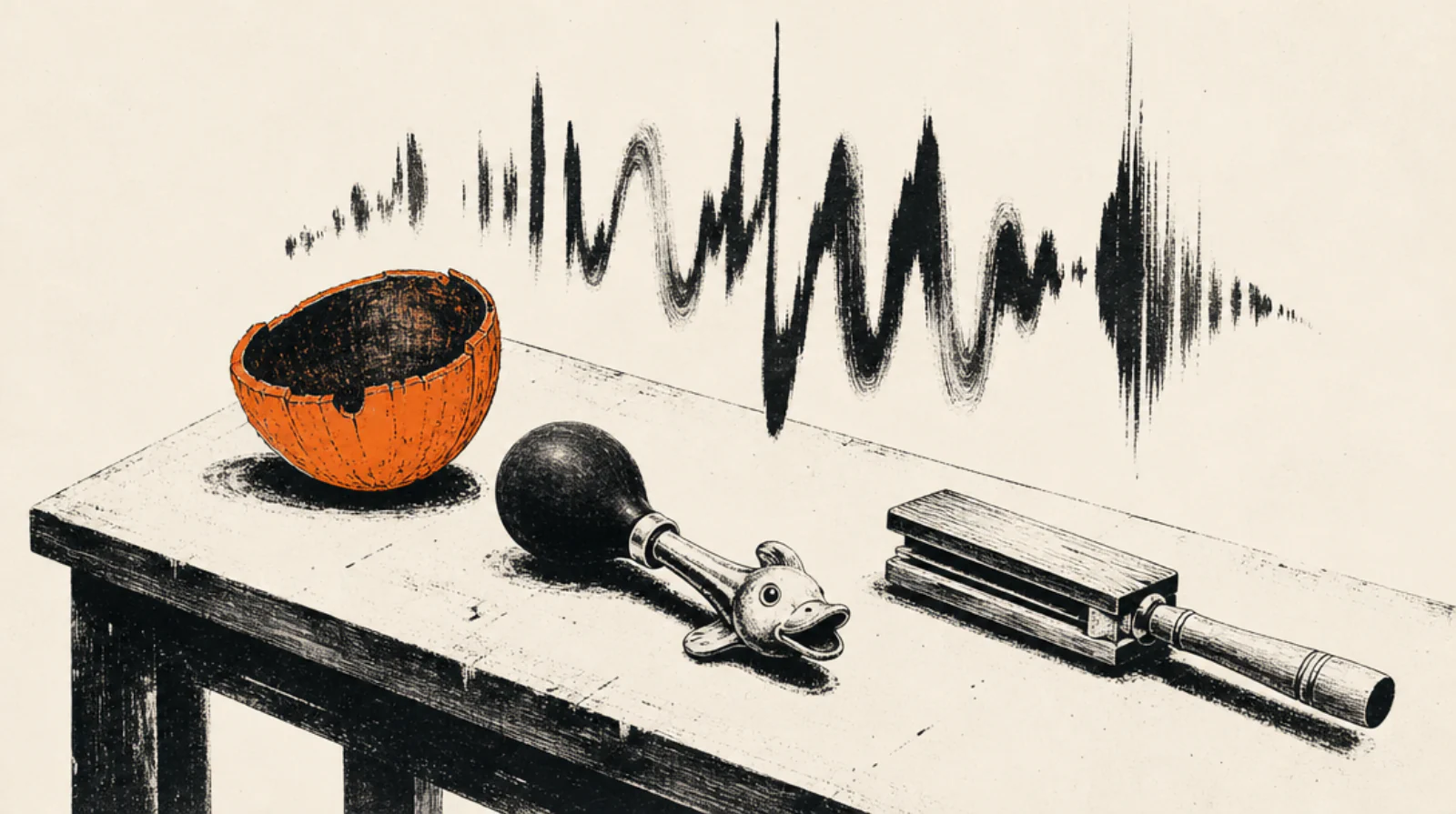
Editorial ink illustration of a foley table with a coconut shell, a squeaky toy and a wooden clapper, the coconut in ember orange
Game designNovember 22, 2026

Sound Effects for Games: What You Need and Where

A small game needs around 20 to 40 sounds. Here is the list, how to make each one feel good, and how to mix them so nothing shouts over the rest.

6 min read
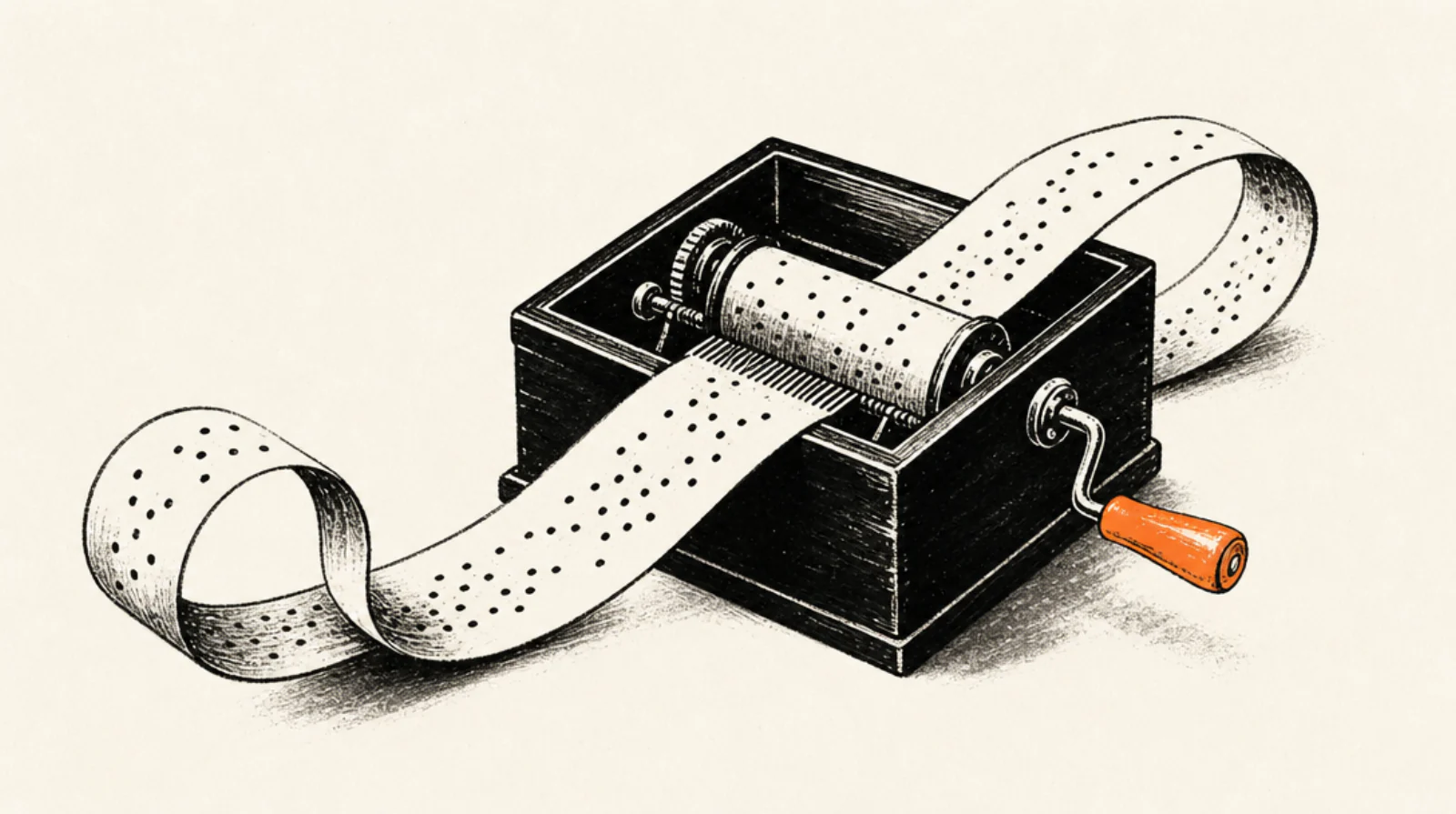
Editorial ink illustration of a hand-cranked music box feeding a looped punch strip, the crank handle in ember orange
Game designNovember 22, 2026

Music for Indie Games: Loops, Moods and Licensing

A small game needs fewer tracks than you think, but each one has to loop well and match what the player is doing. Here is how to plan, place and license it.

6 min read
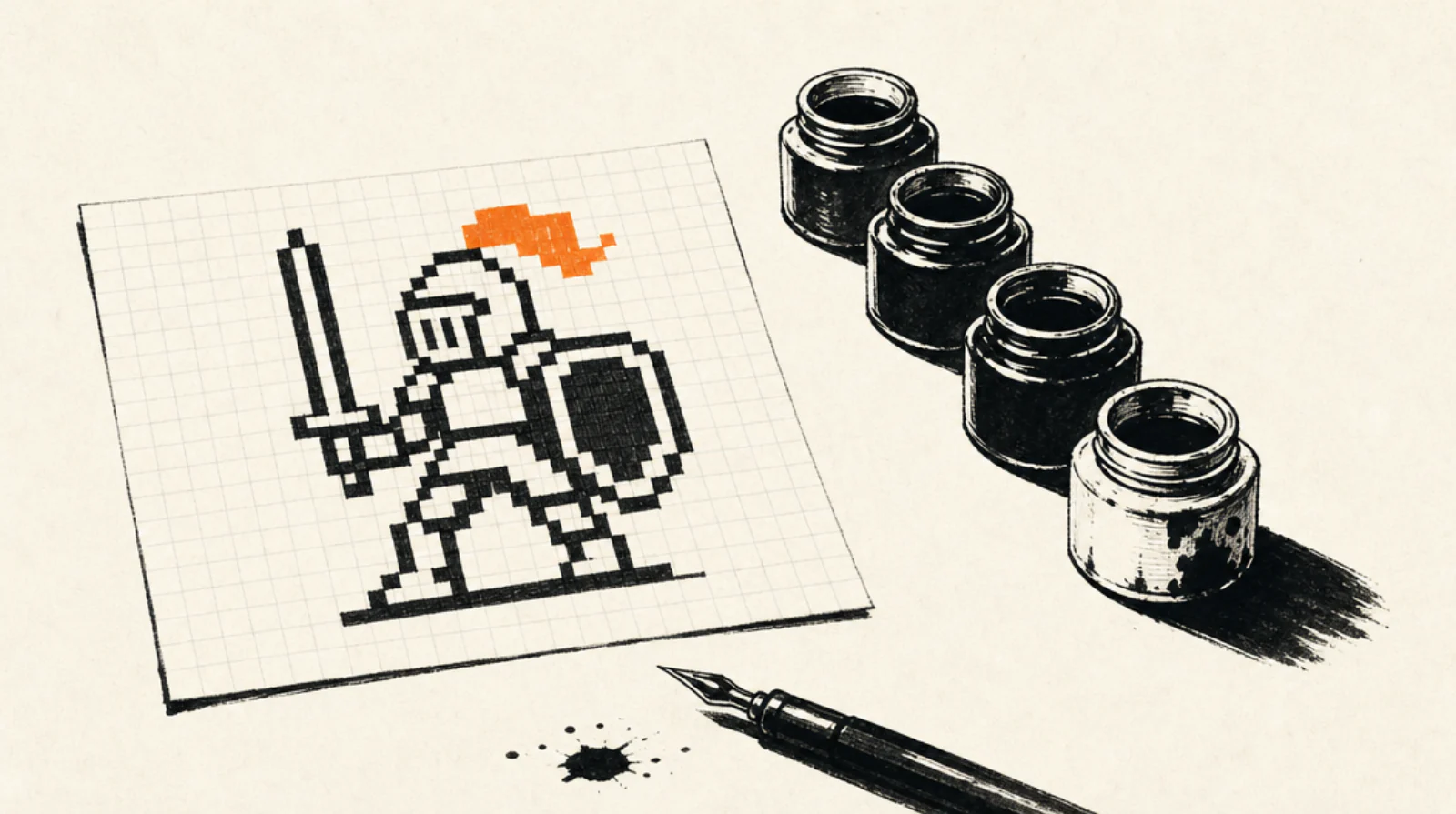
Editorial ink illustration of a knight drawn square by square on graph paper beside paint pots, the plume in ember orange
Game designNovember 22, 2026

Choosing a Pixel Art Style for Your Game

Pixel art is a set of decisions, not one look. Pick the sprite size, the canvas resolution and the palette first, then hold every asset to them.

6 min read
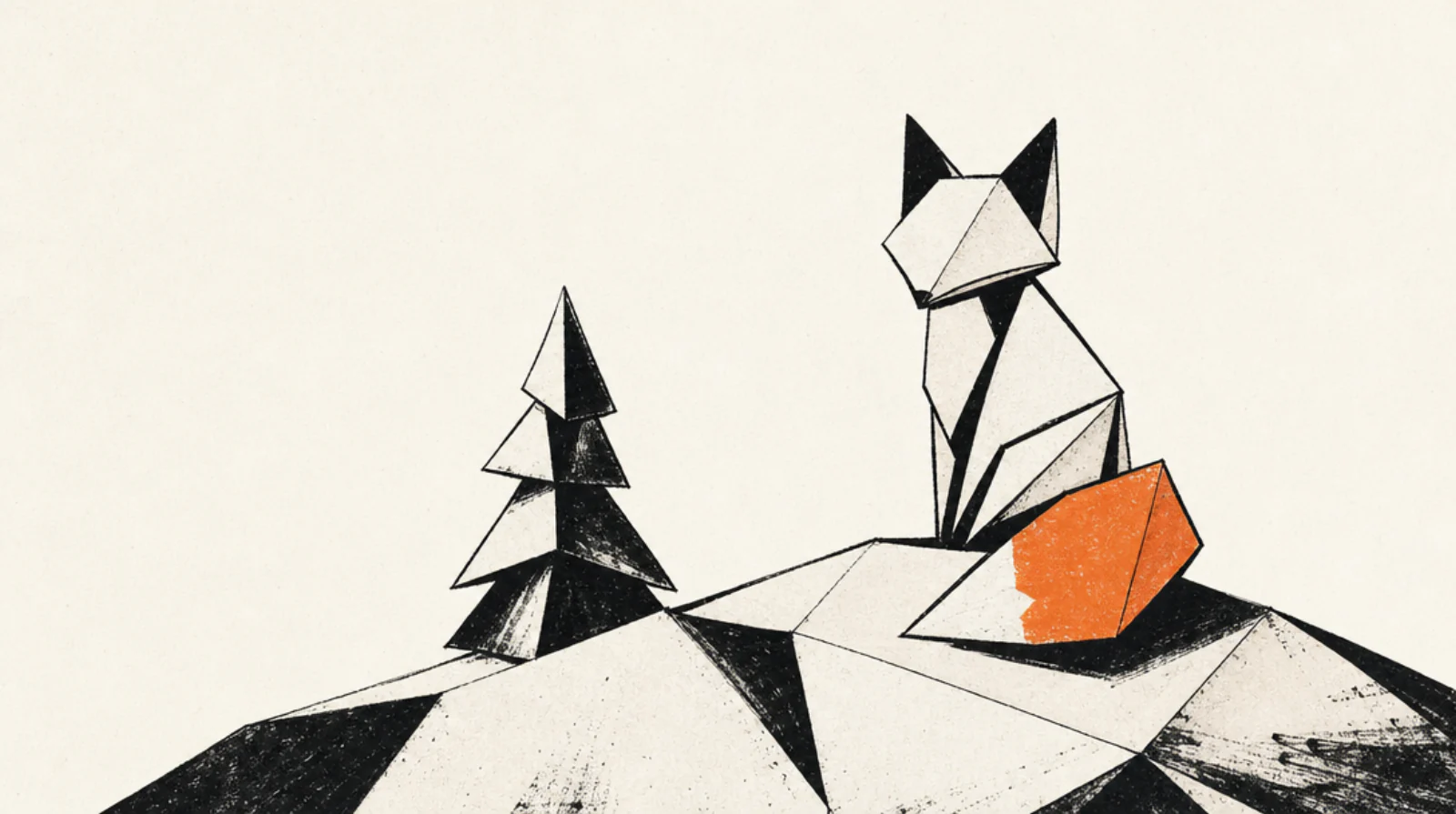
Editorial ink illustration of an origami fox on a faceted paper hill beside a paper pine, the fox's tail in ember orange
Game designNovember 22, 2026

Low-Poly 3D Art for Small Games

Low-poly is the most forgiving 3D style for a small team, as long as you treat color and light as the real detail. Here is how to make it look intentional.

6 min read
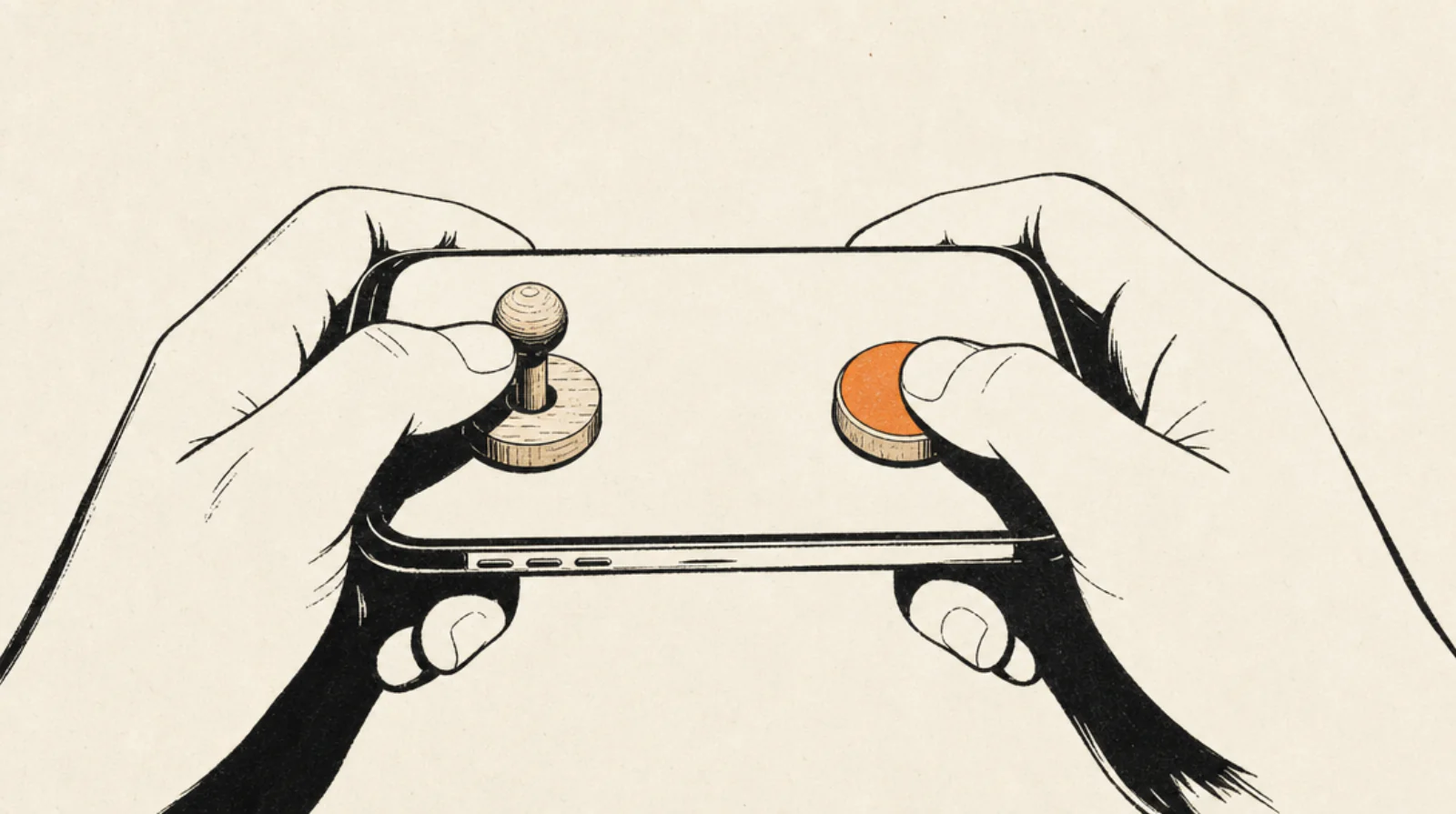
Editorial ink illustration of two hands holding a phone sideways with thumbs on a wooden joystick and button, the button in ember orange
Game designNovember 22, 2026

Touch Controls for Mobile Web Games

A thumb on glass is not a gamepad. Here is how to choose between virtual sticks, taps and gestures, where to put them, and how to make them feel responsive in a browser.

6 min read
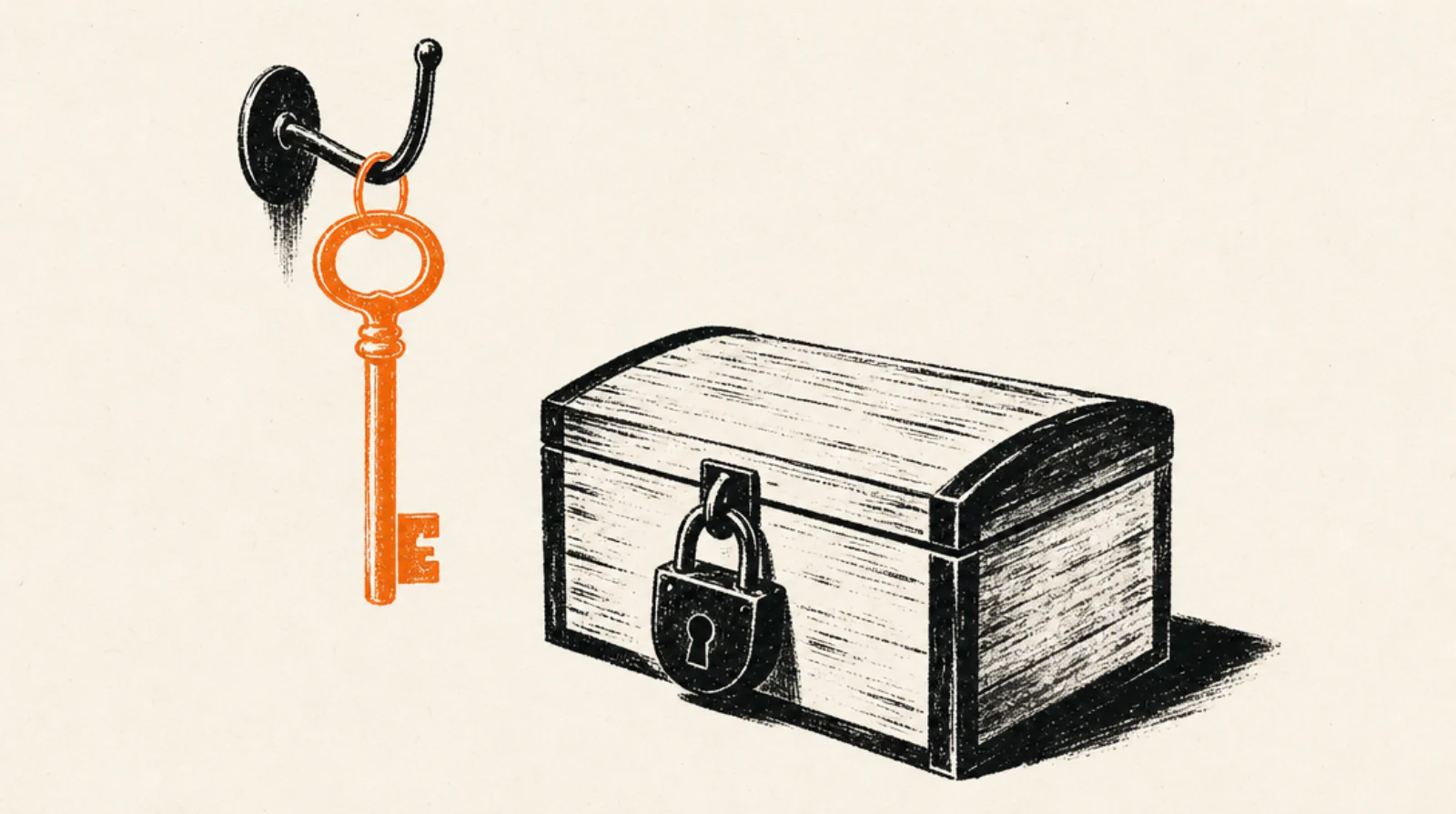
Editorial ink illustration of a brass key on a hook beside a small locked wooden chest, the key in ember orange
Game designNovember 22, 2026

How to Save Game Progress in a Web Game

Losing progress is the fastest way to lose a player. Here is how to design save data, store it in the browser, back it up to the cloud and keep it safe across updates.

5 min read
Editorial ink illustration of a three-step wooden podium with small trophies and a chalk tally, the top trophy in ember orange
Game designNovember 22, 2026

How to Add Leaderboards to Your Game

A leaderboard is a database table and a set of design choices. Here is how to make one that keeps players competing and how much cheating you can realistically stop.

5 min read
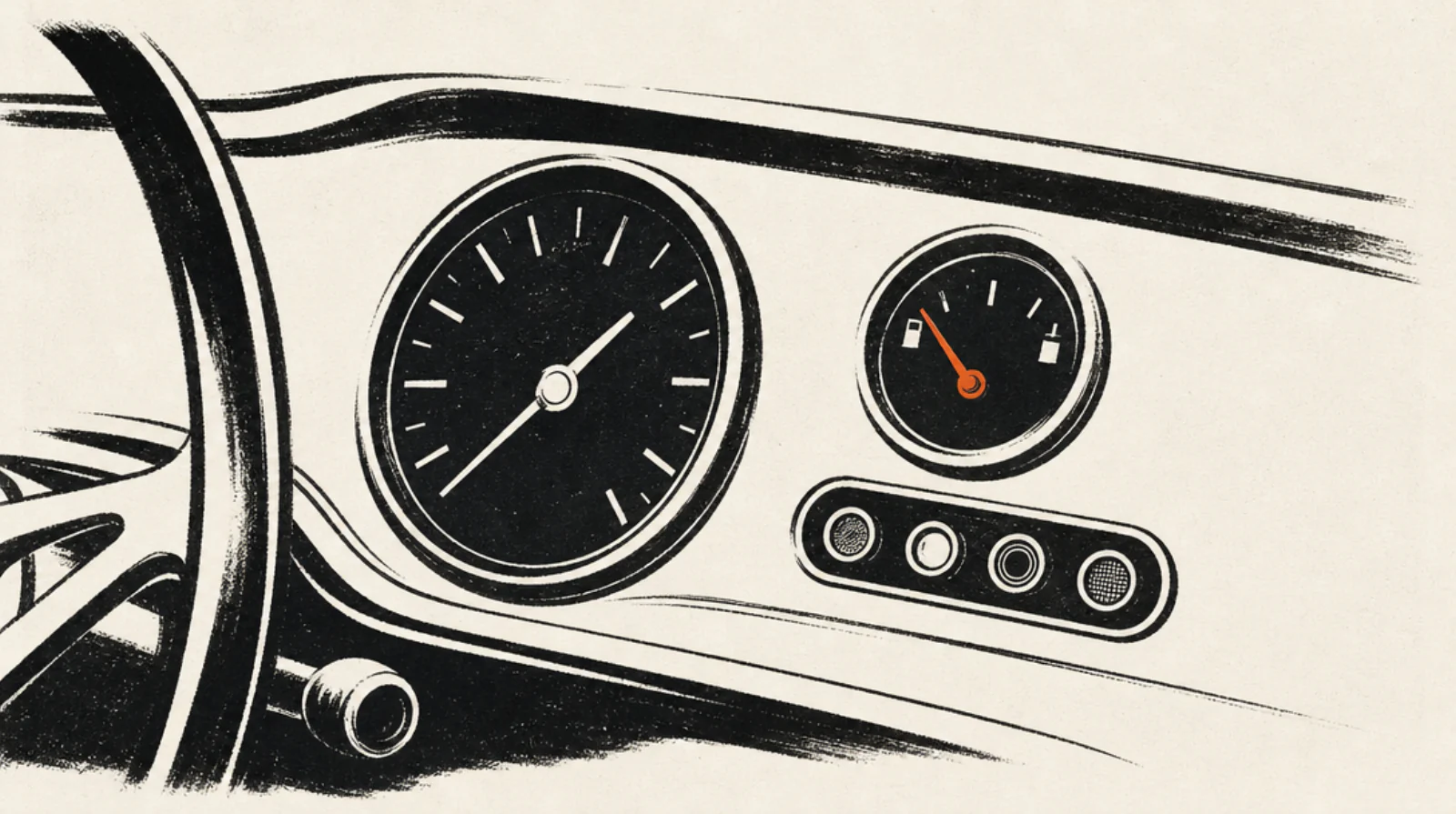
Editorial ink illustration of a vintage car dashboard with a speedometer, fuel gauge and warning lamps, the fuel needle in ember orange
Game designNovember 22, 2026

Game UI and HUD Design: Readable at a Glance

A HUD is read in the corner of the eye, mid-action. Here is how to decide what earns a place on screen, where it goes, and how to keep it readable over anything.

6 min read
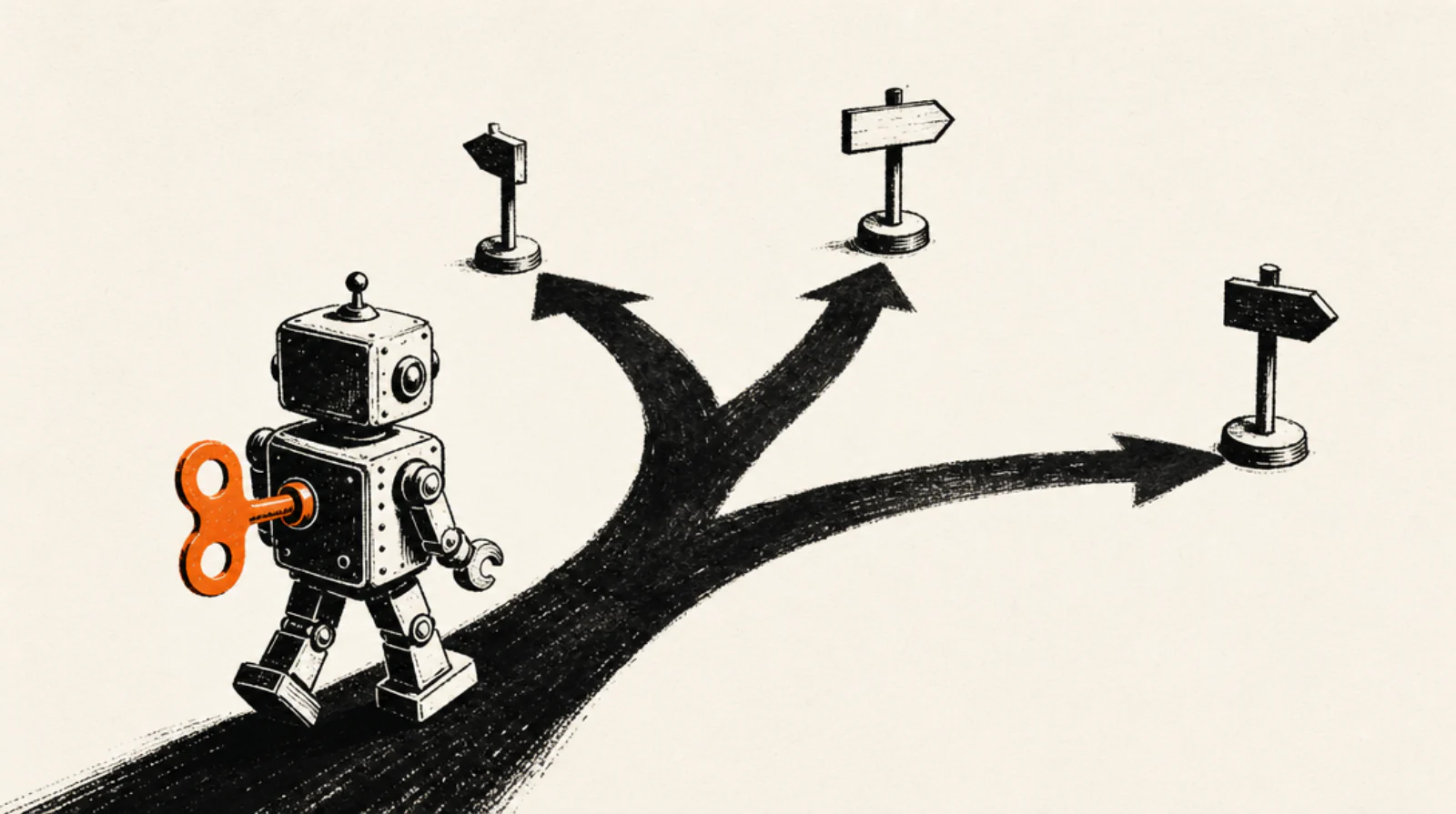
Editorial ink illustration of a wind-up tin robot walking a path of branching ink arrows, the wind-up key in ember orange
Game designNovember 22, 2026

Simple Enemy AI That Feels Smart

Smart-feeling enemies are mostly simple state machines with clear signals. Here is how to design states, telegraphs and group roles that players can read and outplay.

6 min read
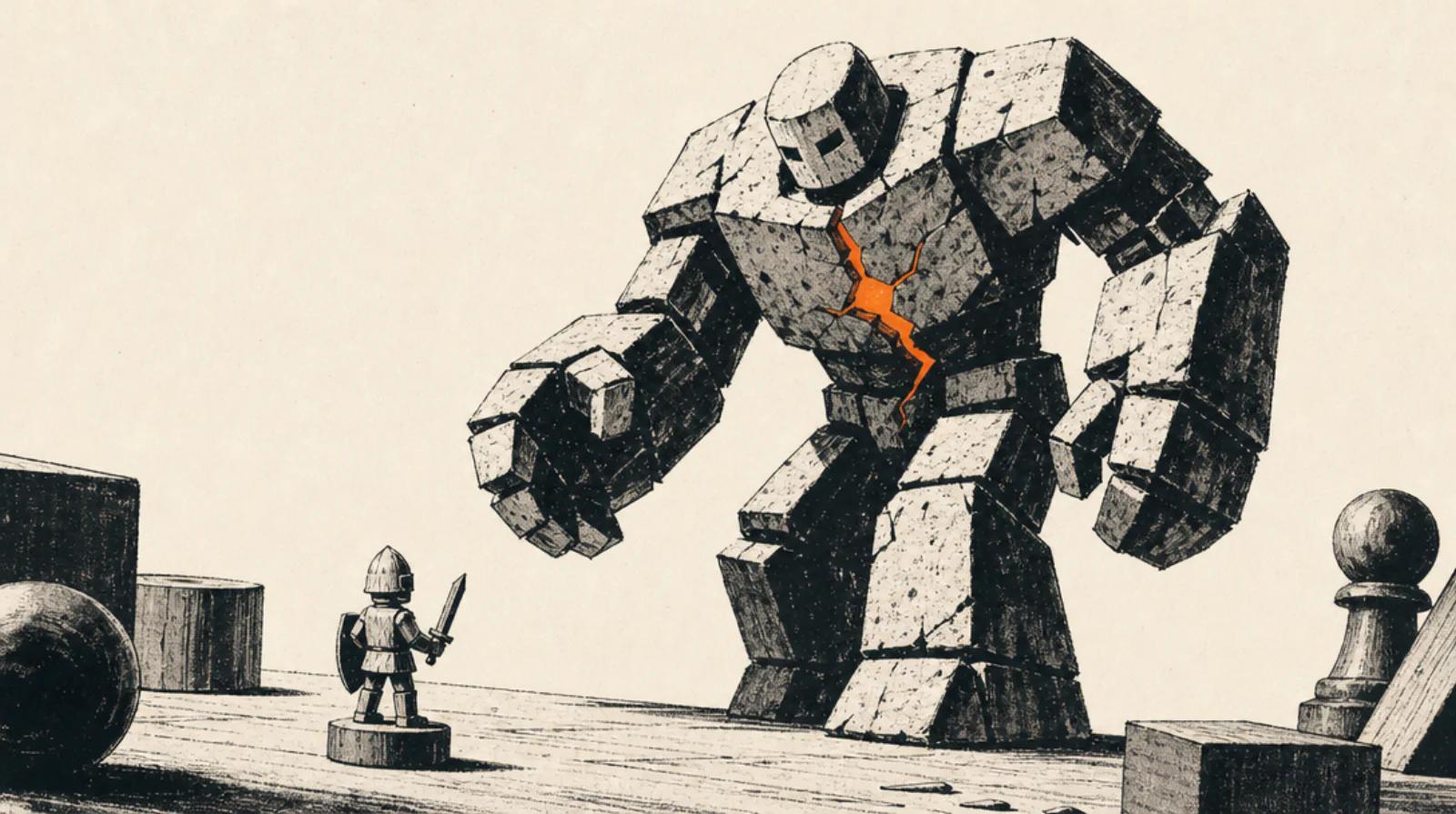
Editorial ink illustration of a stone golem toy towering over a tiny wooden knight, the crack in its chest in ember orange
Game designNovember 22, 2026

How to Design a Boss Fight

A boss is an exam on what the level taught. Here is how to build patterns players can learn, phases that escalate, and a fight that feels hard but fair.

6 min read
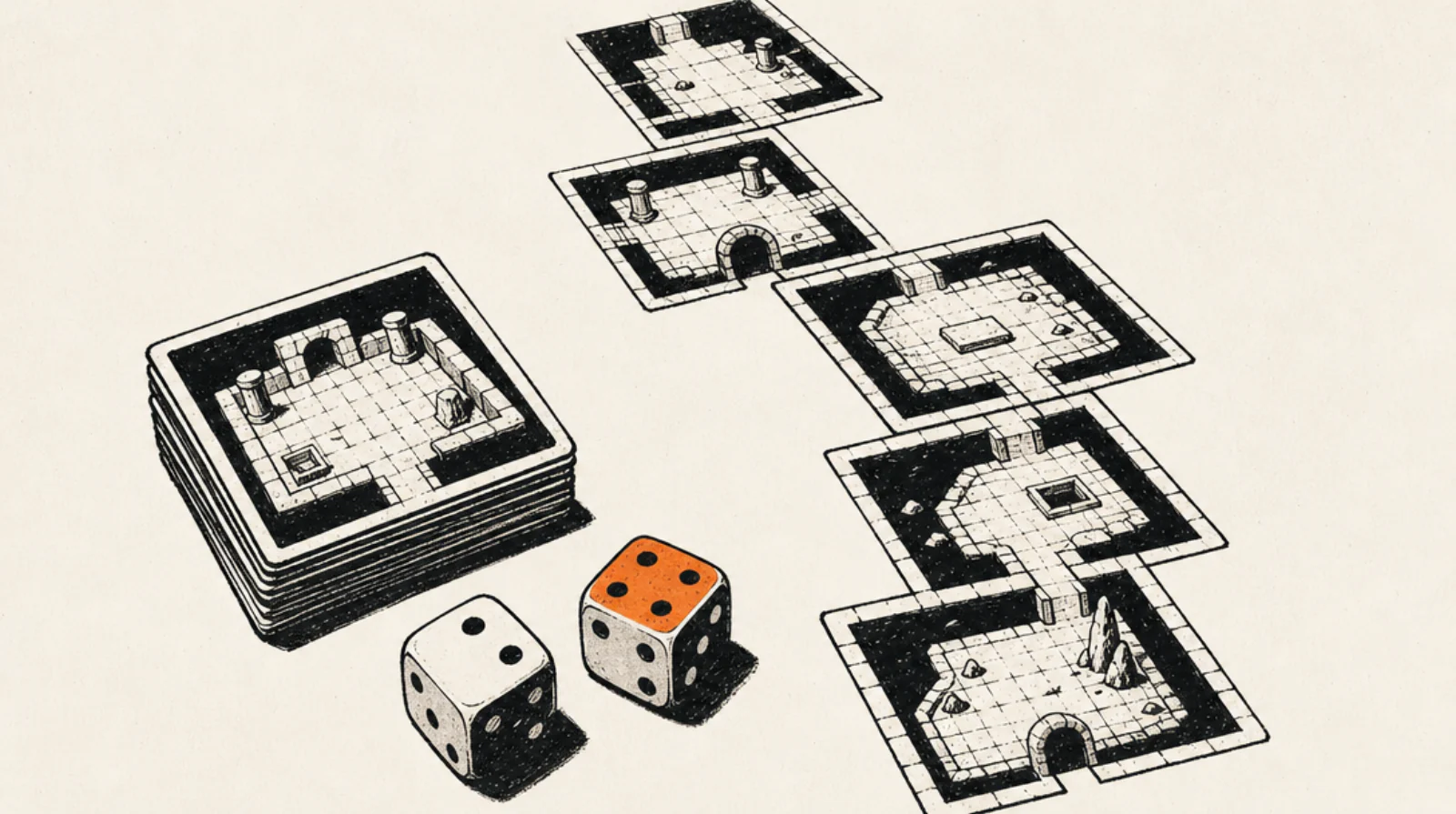
Editorial ink illustration of dice beside dungeon room cards dealt into a winding path, one die face in ember orange
Game designNovember 22, 2026

Procedural Generation for Beginners

Good procedural generation is rules plus randomness, not randomness alone. Here is how seeds, room templates and validation turn dice rolls into levels worth playing.

5 min read
Editorial ink illustration of a film camera on a wheeled dolly following a toy car along a track, the lens in ember orange
Game designNovember 22, 2026

Game Cameras: Follow, Lookahead and Shake

The camera decides what players can see and therefore what they can react to. Here are the follow, deadzone and lookahead techniques that make it invisible.

6 min read
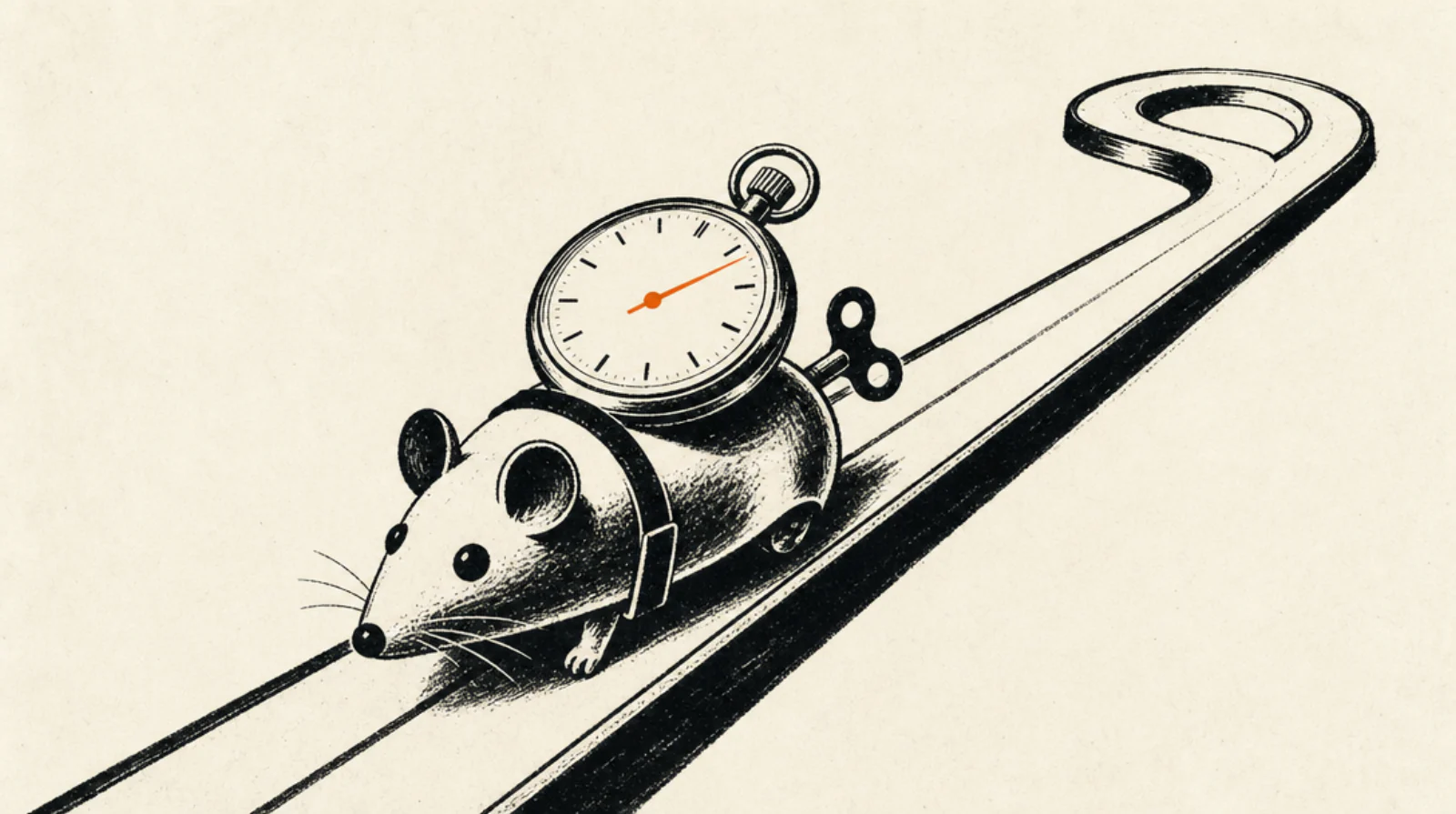
Editorial ink illustration of a stopwatch strapped to a wind-up toy mouse running along a narrow track, the second hand in ember orange
Game designNovember 22, 2026

How to Make a Web Game Run Smoothly on Phones

A phone browser gives you about 16 milliseconds a frame and a GPU that overheats. Here is where that time goes and the fixes that matter most.

6 min read
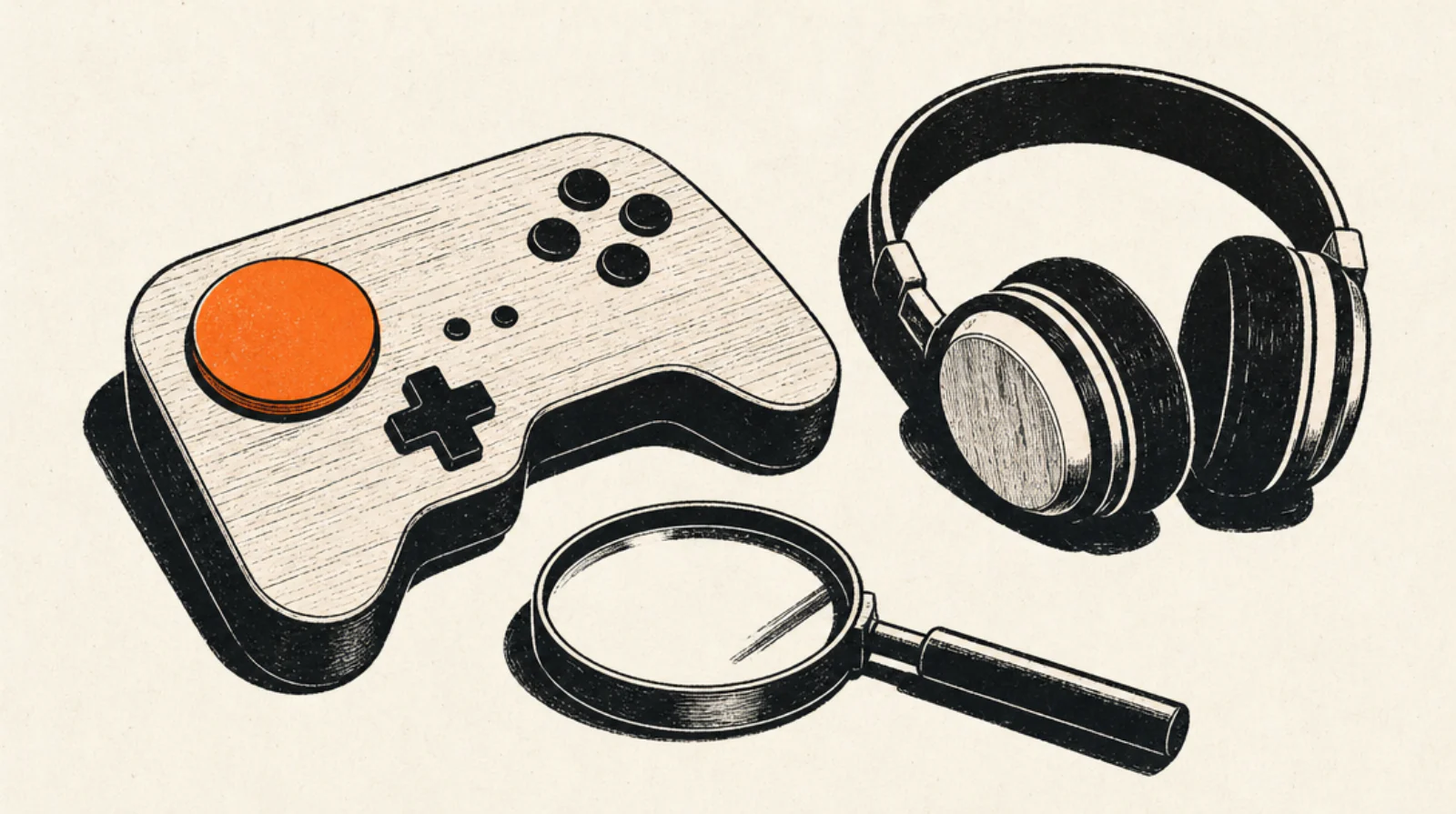
Editorial ink illustration of a wooden controller with oversized buttons beside a magnifying glass and headphones, the largest button in ember orange
Game designNovember 22, 2026

Game Accessibility Basics

Accessibility features help far more players than you expect, and the basics are cheap if you plan for them. Here is what to add first and how to test it.

6 min read
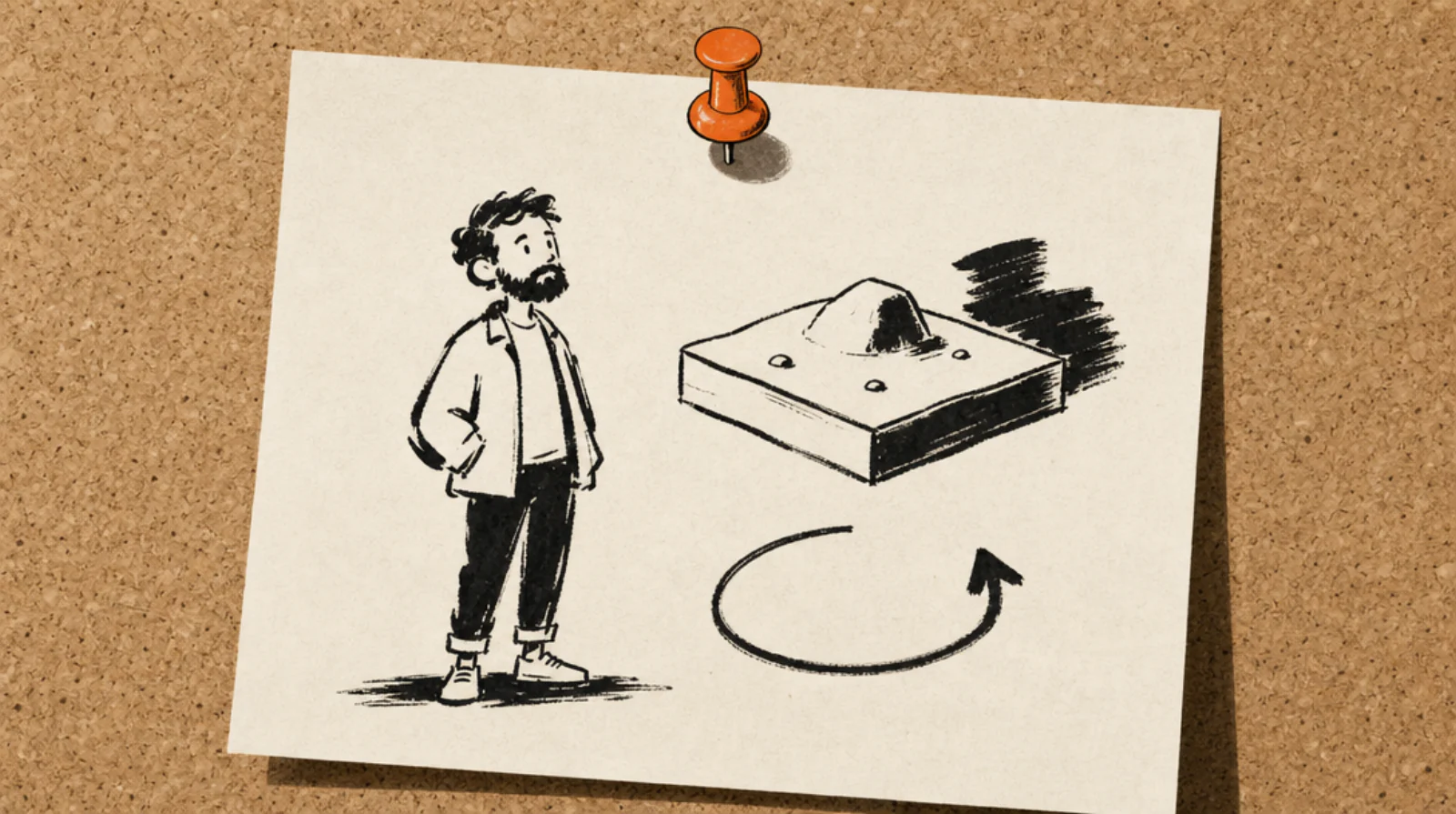
Editorial ink illustration of a single sketched sheet pinned to a corkboard, the pushpin in ember orange
Game designNovember 22, 2026

A One-Page Game Design Document (Template and Example)

Small games do not need a 60-page design bible. They need one page that answers the right questions. Here is the template, a filled example and how to use it.

5 min read

Apps, games, backends and publishing from one conversation.

Product

  • Features
  • Use cases
  • Pricing
  • Changelog

Resources

  • Blog
  • Docs
  • Support
  • Status
  • Security

Contact

  • w@startbase.ai
  • X / Twitter
  • LinkedIn
  • Instagram

Legal

  • Terms
  • Privacy

© 2026 Startbase. All rights reserved.