Skip to content
AI-powered appsNewChat, vision, voice, generationBookings & schedulingAppointments that book themselvesShops & sellingA storefront in every pocketClient & businessRun the operation from one placeCommunities & clubsA home that is not a group chat
Health & wellnessHabits, tracking and calmGames2D, 3D and multiplayerPersonal & toolsThe tool you wish existedInternal toolsThe tool ops never had time for
See all use cases
ArcadeNewPricingSecurity
EngineThe game engine and World EditorHow it worksFrom one sentence to a live productDocsGuides for building and publishingBlogStories, guides and newsChangelogWhat shipped latelyStatusUptime of every serviceSupportGet help from the team
AI-powered appsBookings & schedulingShops & sellingClient & businessCommunities & clubsHealth & wellnessGamesPersonal & toolsInternal tools
See all use cases
ArcadeNewPricingSecurity
EngineHow it worksDocsBlogChangelogStatusSupport
Language
Blog

Glossary

Plain-English definitions of the terms you meet when building apps and games: databases, login, hosting, game loops, netcode, AI and more.

60 articles

Editorial ink illustration of a hand-cranked music box drum plucking a metal comb, the crank handle in ember orange
GlossaryNovember 22, 2026

What is a game loop?

Every real-time game runs one repeating cycle: read input, update the world, draw it. Here is what that cycle looks like and why it decides how your game feels.

3 min read
Editorial ink illustration of a brass stopwatch beside a small wind-up toy car, the second hand in ember orange
GlossaryNovember 22, 2026

What is delta time?

Delta time is the number that keeps your game the same speed on every screen. Here is how to use it, where it breaks, and how to spot a game that forgot it.

3 min read
Editorial ink illustration of a flip book riffling under a thumb with a running figure across its pages, the page edge in ember orange
GlossaryNovember 22, 2026

What is frame rate (FPS)?

FPS counts the pictures a game draws per second. Here is what the numbers mean in milliseconds, why a steady 60 beats a jumpy 90, and what drags a phone game down.

3 min read
Editorial ink illustration of a wooden knight figurine inside a dotted wire cage, the wire cage in ember orange
GlossaryNovember 22, 2026

What are hitboxes?

Hits in games are decided by invisible shapes, not by the art. Here is how hitboxes work, why players forgive small ones and hate big ones, and how to tune them.

3 min read
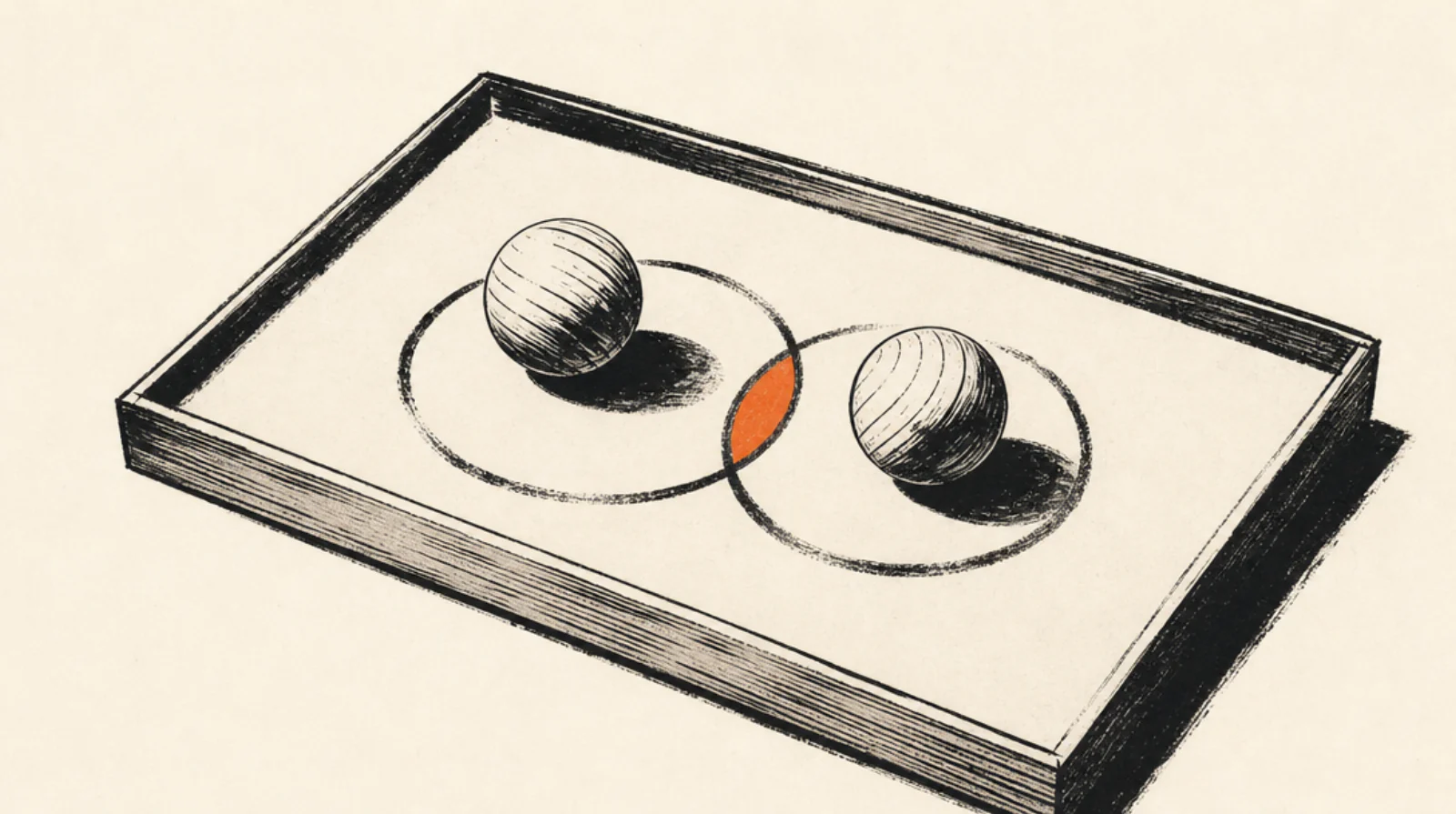
Editorial ink illustration of two wooden marbles about to touch on a tilted tray, the meeting point in ember orange
GlossaryNovember 22, 2026

What is collision detection?

Detecting that two shapes overlap is easy. Doing it for hundreds of objects, at speed, without things passing through walls, is the real topic. Here is the short version.

3 min read
Editorial ink illustration of a sheet of postage stamps showing frames of a running fox, the half-torn stamp in ember orange
GlossaryNovember 22, 2026

What is a sprite sheet?

One image, dozens of frames. Here is how sprite sheets and texture atlases work, the numbers to start from, and the bugs they cause when the grid is off by a pixel.

3 min read
Editorial ink illustration of a stained-glass lantern lighting a plain clay figurine, the central glass pane in ember orange
GlossaryNovember 22, 2026

What is a shader?

Water ripples, glowing outlines, a damage flash: shaders paint them on the graphics chip. Here is what a shader is, the two main kinds, and when they slow a game down.

3 min read
Editorial ink illustration of a wooden Newton's cradle beside a stack of toy blocks, the lifted end ball in ember orange
GlossaryNovember 22, 2026

What is a physics engine?

Physics engines make crates topple and balls bounce without you writing the math. Here is what they simulate, when they help, and when hand-written movement is better.

3 min read
Editorial ink illustration of a pocket flashlight beam crossing a table to a toy soldier, the spot where the beam lands in ember orange
GlossaryNovember 22, 2026

What is a raycast?

Raycasts answer "what is in this direction, and how far?" Here is how they work and the jobs they do in almost every game: shooting, sight lines, cameras and footing.

3 min read
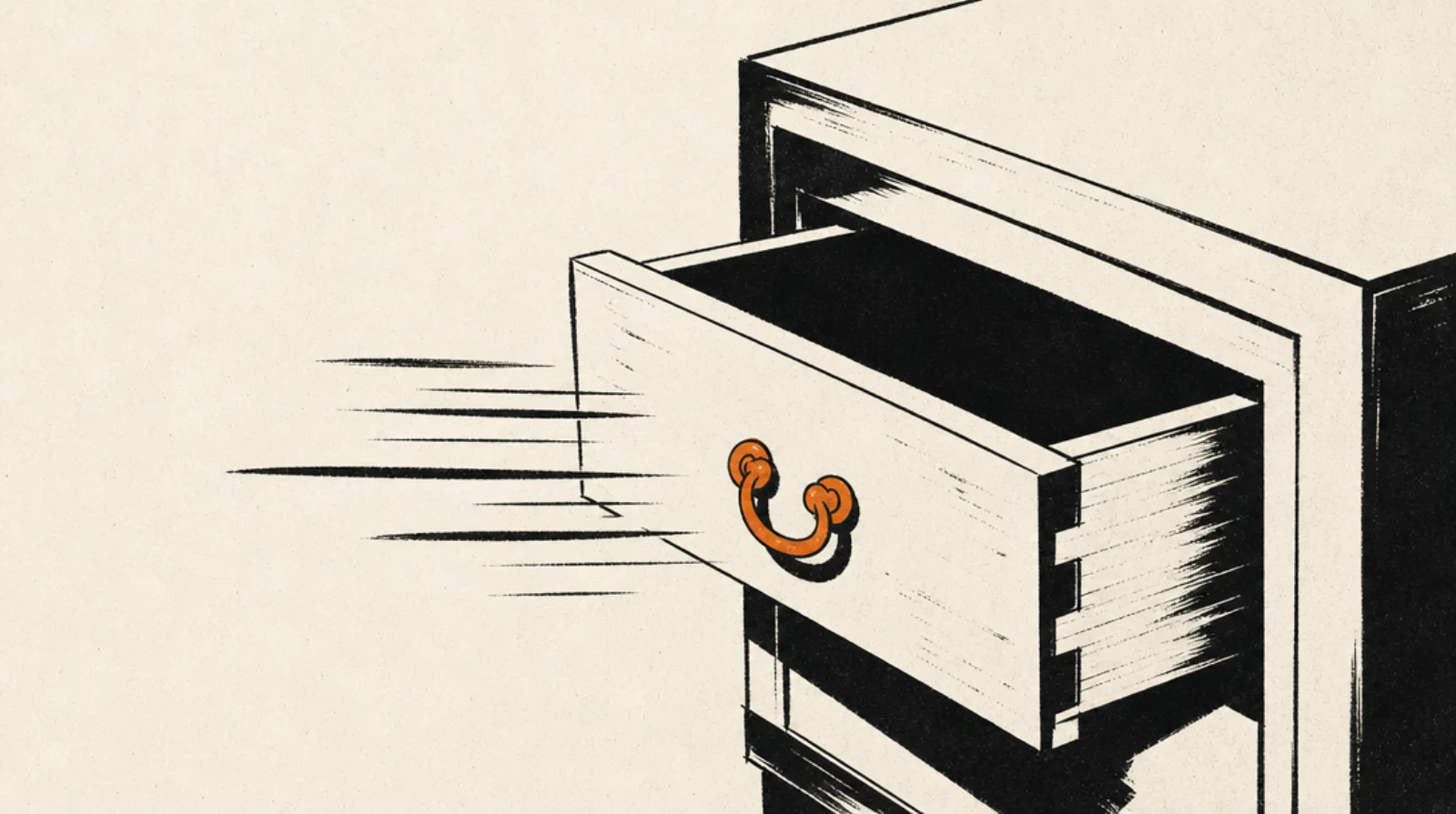
Editorial ink illustration of a wooden drawer gliding shut and slowing at the end, the brass handle in ember orange
GlossaryNovember 22, 2026

What are easing and lerp?

Lerp gets a value from A to B; easing makes the trip feel natural. Here is the formula, the curves worth knowing, and the common lerp mistake that varies by frame rate.

3 min read
Editorial ink illustration of a sparkler throwing a spray of tiny sparks, the burning tip in ember orange
GlossaryNovember 22, 2026

What is a particle system?

Sparks, dust puffs, confetti and rain are all particle systems. Here is how emitters and particles work, numbers to start from, and why bursts can tank a phone.
3 min read
Editorial ink illustration of a painter's palette and a single wide brush loaded with several colors, the brush tip in ember orange
GlossaryNovember 22, 2026

What is a draw call?

Each draw call is an order sent to the graphics chip. Send thousands per frame and the CPU becomes the bottleneck. Here is what to count and how games cut it down.

3 min read
Editorial ink illustration of three carved wooden pine trees from detailed to a simple cone, the simplest cone tree in ember orange
GlossaryNovember 22, 2026

What is level of detail (LOD)?

Far-away objects do not need every triangle. Level of detail swaps in simpler models with distance. Here is how to set levels, distances and avoid visible popping.

3 min read
Editorial ink illustration of a metronome swinging above wooden pawns on a game board, the metronome weight in ember orange
GlossaryNovember 22, 2026

What is tick rate?

The server simulates your multiplayer game in steps called ticks. Here is what tick rate controls, what it costs, and sensible starting rates by genre.

3 min read
Editorial ink illustration of two tin-can telephones joined by a string stretched over a map, the middle knot in ember orange
GlossaryNovember 22, 2026

What are latency and ping?

Latency is the delay; ping is how you measure it. Here are the numbers that feel instant, the causes you can and cannot fix, and the tricks games use to hide lag.

3 min read
Editorial ink illustration of two chess players at separate tables linked by a flying envelope, the envelope in ember orange

GlossaryNovember 22, 2026

What is netcode?

Netcode decides who is right when two players disagree, and hides the delay between them. Here are the main models, which genres use which, and the bugs to expect.


3 min read
Editorial ink illustration of a brass doorbell on a shop door with a parcel on the step, the doorbell button in ember orange
GlossaryNovember 22, 2026

What is a webhook?

Instead of your app asking "anything new?" every minute, a webhook lets the other service ring your doorbell. Here is what arrives, how to trust it, and what goes wrong.

3 min read
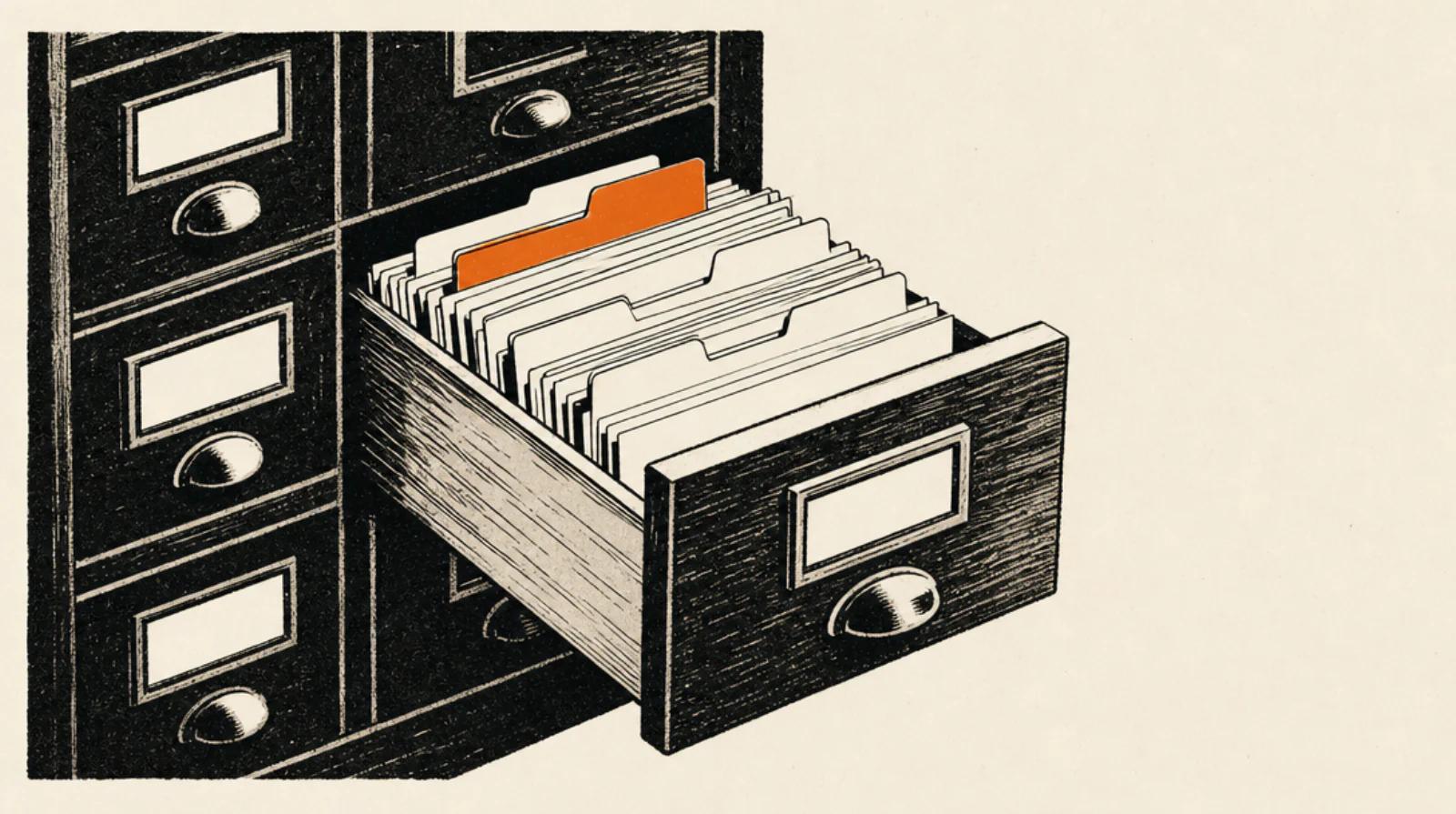
Editorial ink illustration of an open card catalog drawer with nested labeled dividers, one raised card tab in ember orange
GlossaryNovember 22, 2026

What is JSON?

JSON is how apps write structured data as text. Here are its six building blocks, examples from an API, a save file and a level, and the errors that trip people up.

3 min read
Editorial ink illustration of an architect's floor plan with labeled rooms and doorways, one doorway in ember orange
GlossaryNovember 22, 2026

What is a database schema?

The schema decides what your app can store and how pieces connect. Here is a real example, the rules that keep it clean, and the mistakes that hurt later.

3 min read
Editorial ink illustration of numbered renovation work orders pinned beside a house under scaffolding, the stamp in ember orange
GlossaryNovember 22, 2026

What is a database migration?

Migrations are the change log of your database structure. Here is how they work, which changes are safe on a live app, and how to back out of one without losing data.

3 min read
Editorial ink illustration of a library card tied by string to a loan slip, the string in ember orange
GlossaryNovember 22, 2026

What are primary and foreign keys?

The two columns that let a database connect players to scores and customers to orders without copying anything. What they are, how to pick them, and the delete rule that bites.

3 min read
Editorial ink illustration of an open cookbook with alphabet tabs on its page edge, one pulled-out tab in ember orange
GlossaryNovember 22, 2026

What is a database index?

Why a feed that loaded instantly with 200 rows crawls at 200,000, and the one-line fix. Plus the cost of indexes and how to tell which columns deserve one.

3 min read
Editorial ink illustration of a brass postal sorting rack with a letter being slotted into a pigeonhole, the letter in ember orange
GlossaryNovember 22, 2026

What is SQL?

SQL reads almost like English: select these columns from that table where this is true. The four commands that cover most apps, and how much of it you actually need to know.

3 min read
Editorial ink illustration of labeled cardboard boxes of mismatched objects beside a filing cabinet, one overflowing box in ember orange
GlossaryNovember 22, 2026

What is NoSQL?

NoSQL means "not only SQL": databases that skip fixed tables for documents, key-value pairs or graphs. What each type is good at, and why most new apps still start relational.

3 min read
Editorial ink illustration of a hotel desk bell and a brass room key, the key tag in ember orange
GlossaryNovember 22, 2026

What is authentication vs authorization?

Signing in is only half of security. Authentication answers "who are you?", authorization answers "are you allowed?", and most real data leaks come from skipping the second.

3 min read
Editorial ink illustration of a valet key on a ring beside a full car key, the valet key in ember orange
GlossaryNovember 22, 2026

What is OAuth?

Behind every "Sign in with Google" button is OAuth: a way to hand an app a limited valet key instead of your real password. The flow in five steps, and why redirect URLs break it.

3 min read
Editorial ink illustration of a festival wristband with a date stub and a wax seal, the seal in ember orange
GlossaryNovember 22, 2026

What is a JWT?

The long string starting with "eyJ" in your app's requests is a JSON Web Token. What is inside it, why anyone can read it but nobody can forge it, and why tokens expire.

3 min read
Editorial ink illustration of a coat check counter with a numbered ticket, the ticket in ember orange
GlossaryNovember 22, 2026

What are sessions and cookies?

Websites forget you between every click unless something reminds them. Sessions and cookies are that reminder: a coat check ticket for the web, with a few flags that decide how safe it is.

3 min read
Editorial ink illustration of a building mail slot with a guest list pinned beside it, the guest list in ember orange
GlossaryNovember 22, 2026

What is CORS?

The red "blocked by CORS policy" line in your console is not your frontend's fault and not a bug in the browser. It is the server not yet saying your site is allowed in.

3 min read
Editorial ink illustration of a padlocked courier case cuffed to a wrist, the padlock in ember orange
GlossaryNovember 22, 2026

What are HTTPS and SSL?

The padlock means two things: nobody on the network can read or change the page, and the site is really who its address says. How certificates make that work, and the errors you might see.

3 min read
Editorial ink illustration of a rotary card index with one card flipped up, the flipped card in ember orange
GlossaryNovember 22, 2026

What is DNS?

Every time someone types your domain, a chain of lookups finds the server behind it. The four record types worth knowing, what TTL means, and why a new domain can take a while to work.

3 min read
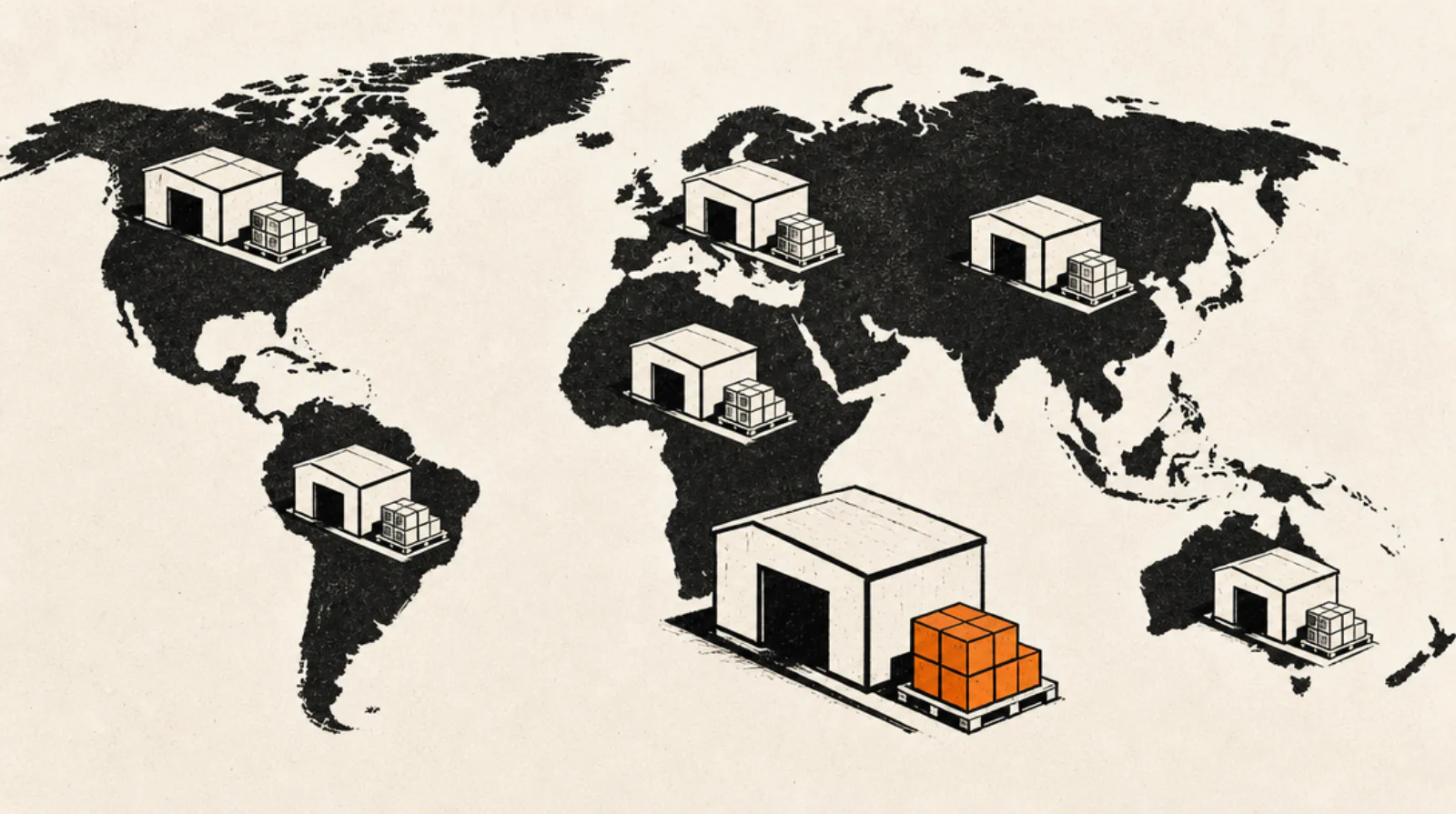
Editorial ink illustration of a world map dotted with small warehouses, the nearest crate in ember orange
GlossaryNovember 22, 2026

What is a CDN?

Distance costs time on the internet. A content delivery network keeps copies of your files close to every visitor, which matters most for images, game assets and first page loads.

3 min read
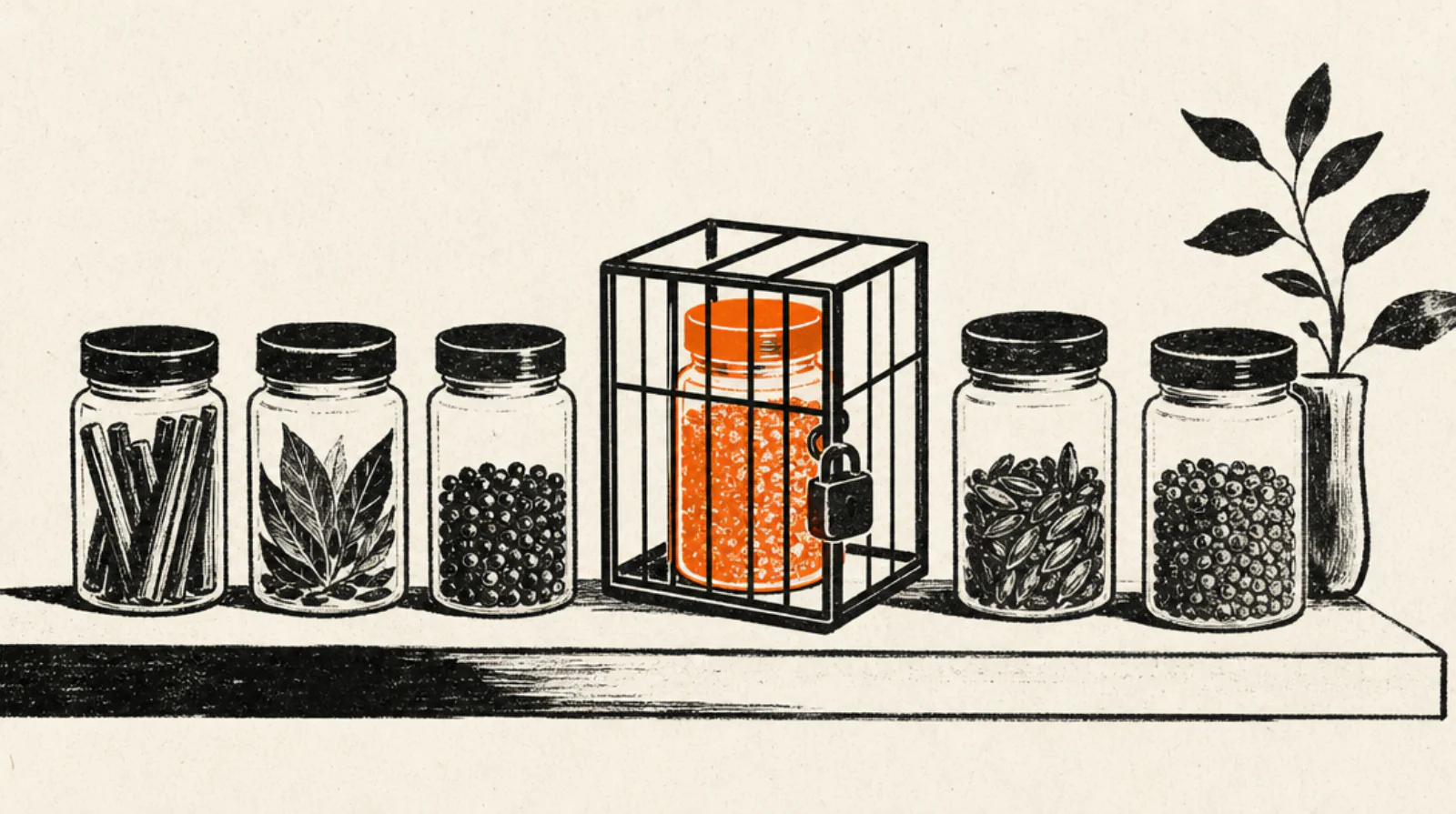
Editorial ink illustration of labeled spice jars on a shelf with one jar in a small cage, the caged jar in ember orange
GlossaryNovember 22, 2026

What are environment variables?

The same code runs in preview and in production with different settings. Environment variables are how, and the prefix on their name decides whether every visitor can read them.

3 min read
Editorial ink illustration of a subway turnstile with an hourglass on top, the hourglass sand in ember orange
GlossaryNovember 22, 2026

What is rate limiting?

One script hammering your login form or your AI endpoint can cost money or lock out real users. Rate limits stop that, and the right numbers depend on what each action costs.

3 min read
Editorial ink illustration of a carpenter's apron pocket holding tools beside a distant closed toolbox, the hammer in ember orange
GlossaryNovember 22, 2026

What is caching?

Caching is why your second visit to a site is faster than the first, and why you sometimes see yesterday's version. The layers, the expiry question, and how to cache without serving stale data.

3 min read
Editorial ink illustration of a restaurant pass-through window with a plated dish, the order bell in ember orange
GlossaryNovember 22, 2026

What are frontend and backend?

Every app splits into what runs on your device and what runs on a server. Knowing which side a feature belongs on decides whether it is fast, and whether it is safe.

3 min read
Editorial ink illustration of a tall layered sandwich held by a toothpick, the toothpick flag in ember orange
GlossaryNovember 22, 2026

What is full-stack?

A full-stack app covers every layer from the button you tap to the database row it changes. The layers in a real stack, what each one does, and what "full-stack developer" actually means.

3 min read
Editorial ink illustration of wooden building blocks assembled into a small house, the front door block in ember orange
GlossaryNovember 22, 2026

What is React?

React builds interfaces from small reusable pieces that redraw themselves when data changes. The three ideas that explain it, what it does not do, and why it is the default for so many apps.

3 min read
Editorial ink illustration of one key fitting two padlocks, the shared key in ember orange
GlossaryNovember 22, 2026

What is React Native?

React Native lets one codebase become an iPhone app and an Android app that use real native views. How it differs from React on the web, what Expo adds, and the limits to know.

3 min read
Editorial ink illustration of a shape-sorter cube with a star block above its star-shaped hole, the star block in ember orange
GlossaryNovember 22, 2026

What is TypeScript?

TypeScript adds labels to JavaScript that say what shape each value should be, so a typo or a missing field is flagged before users ever see it. Why that matters even more when an agent writes the code.

3 min read
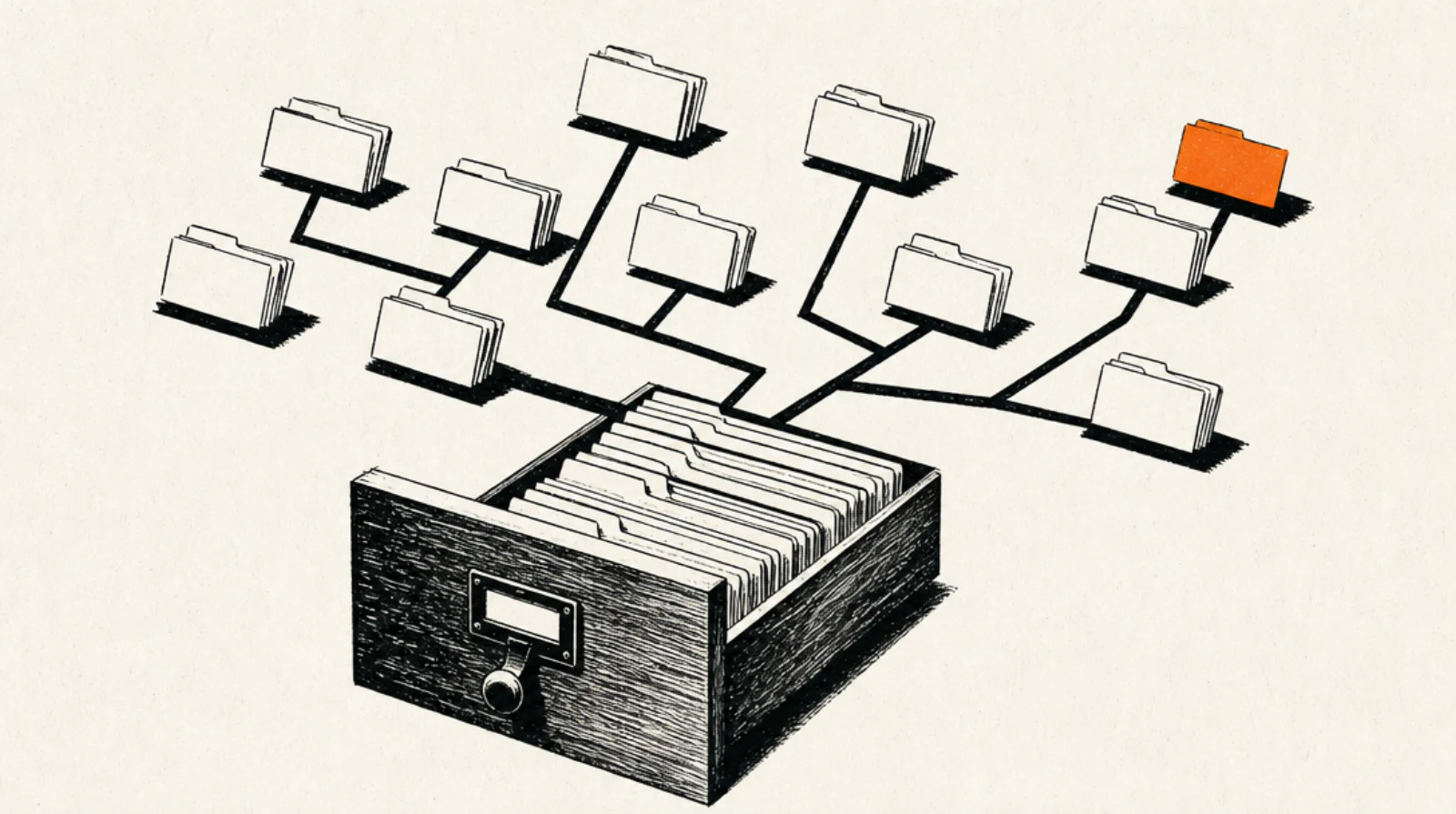
Editorial ink illustration of a wooden card catalog drawer with a branching tree of index cards, one card at a branch tip in ember orange
GlossaryNovember 22, 2026

What are Git and repositories?

Git keeps a dated, labeled history of every change to your code. A repository is the folder plus that history. Here is what the words mean and why your app should have one.

3 min read
Editorial ink illustration of a theater stage at dress rehearsal with an empty audience and a prop chair, the spotlight beam in ember orange
GlossaryNovember 22, 2026

What is a staging environment?

Staging is the dress rehearsal: the same app, set up like production, that only your team can see. Here is what belongs in it and how Startbase previews fill that role.

3 min read
Editorial ink illustration of a skateboard beside a blueprint of a car, the skateboard wheels in ember orange
GlossaryNovember 22, 2026

What is an MVP?

A minimum viable product is the smallest thing you can put in front of real people to learn whether the idea works. Most first versions are too big, not too small.

3 min read
Editorial ink illustration of a hand pressing the last jigsaw piece into a nearly finished puzzle, the final piece in ember orange
GlossaryNovember 22, 2026

What is product-market fit?

Product-market fit is when a specific group of people wants your product badly enough to keep using it and tell others. It shows up in retention long before revenue charts.

3 min read
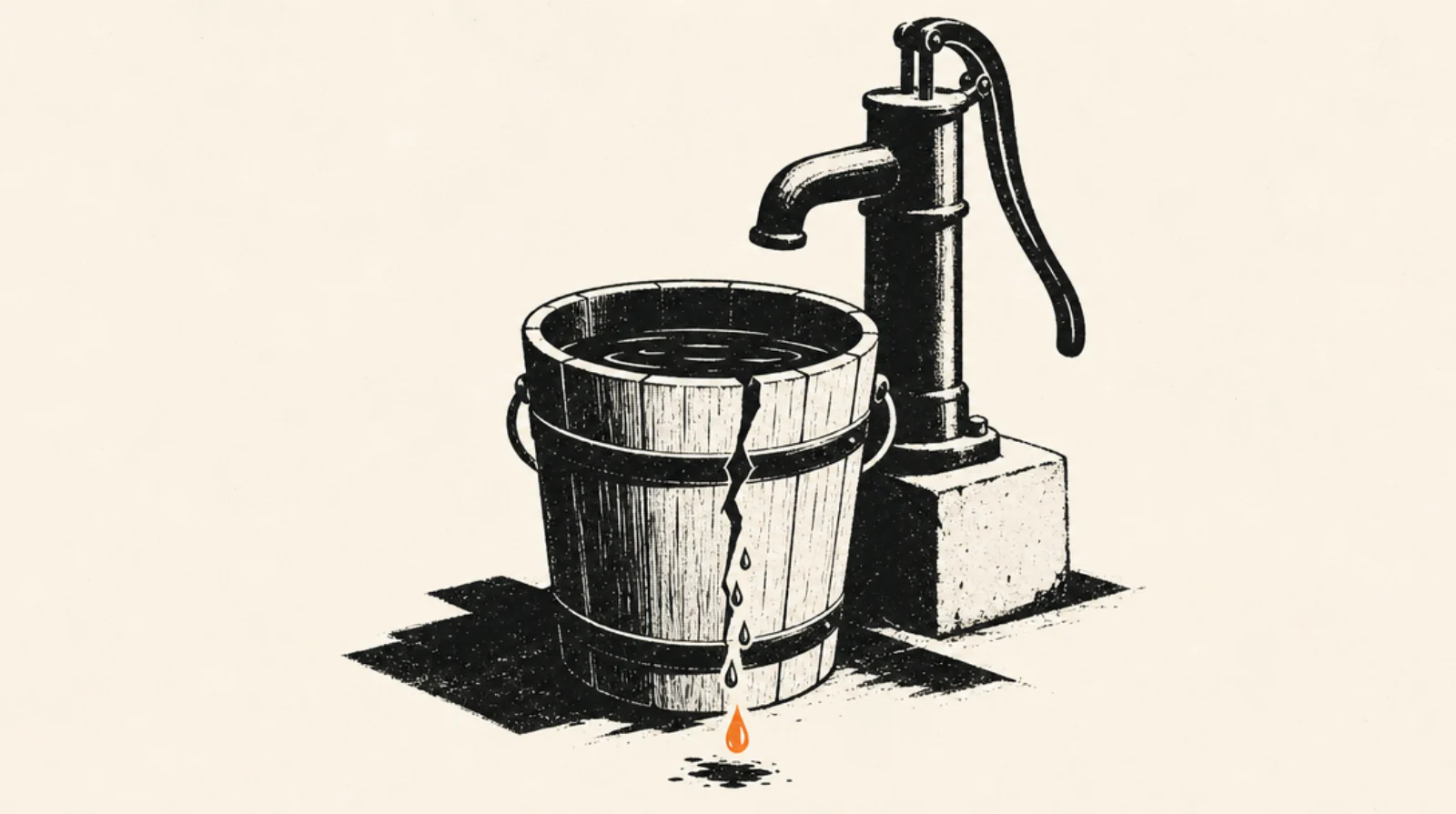
Editorial ink illustration of a leaky wooden bucket under a water pump, one falling drop in ember orange
GlossaryNovember 22, 2026

What is churn?

Churn is how fast customers leave. One formula, two kinds (customer and revenue), and the data your app needs to store so you can measure it honestly.

2 min read
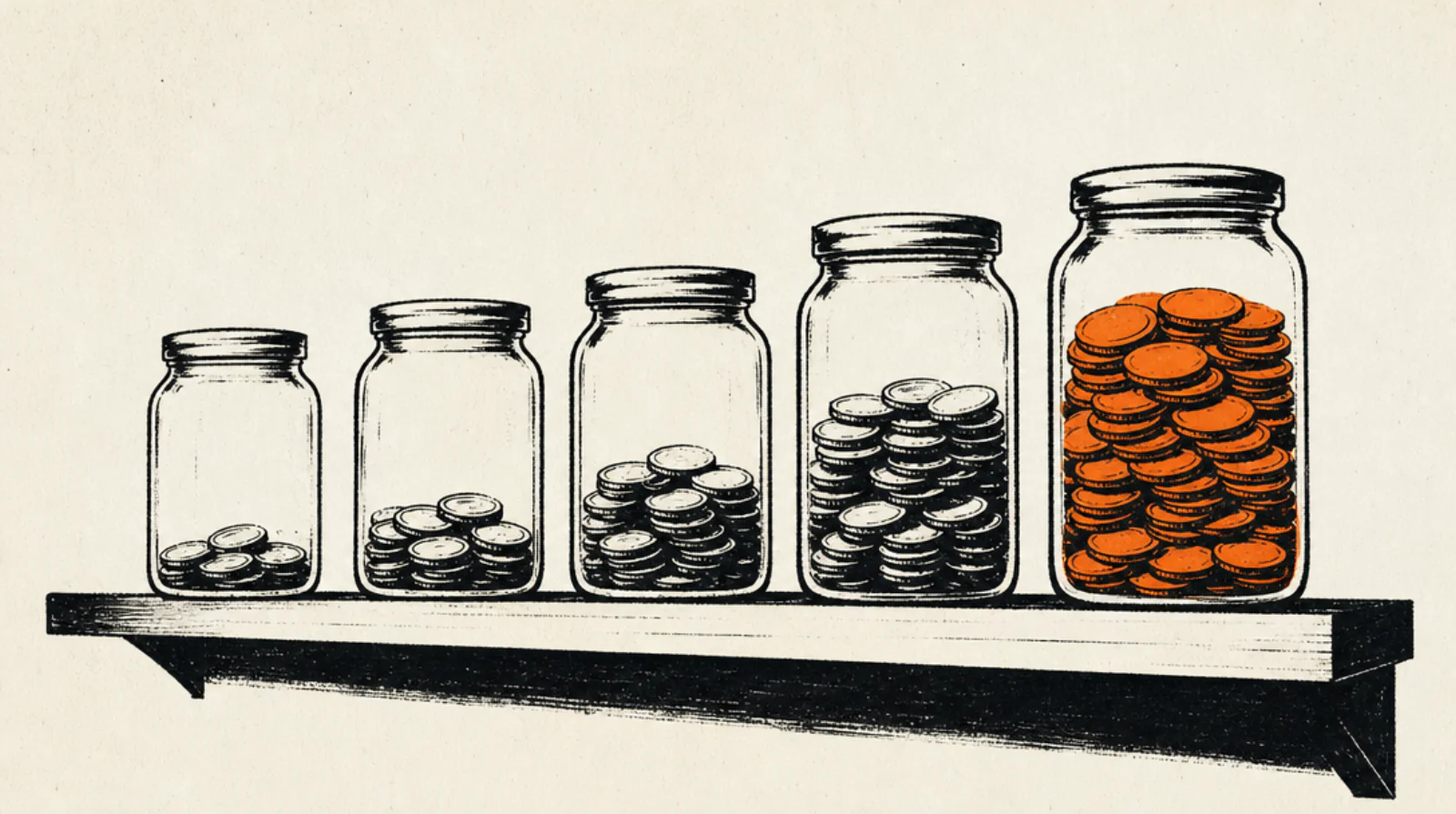
Editorial ink illustration of glass jars on a shelf filled with coins at rising levels, the coins in the tallest jar in ember orange
GlossaryNovember 22, 2026

What is MRR?

Monthly recurring revenue is what your subscriptions bring in each month, normalized and stripped of one-off payments. Here is how to calculate it and break down why it moved.

2 min read
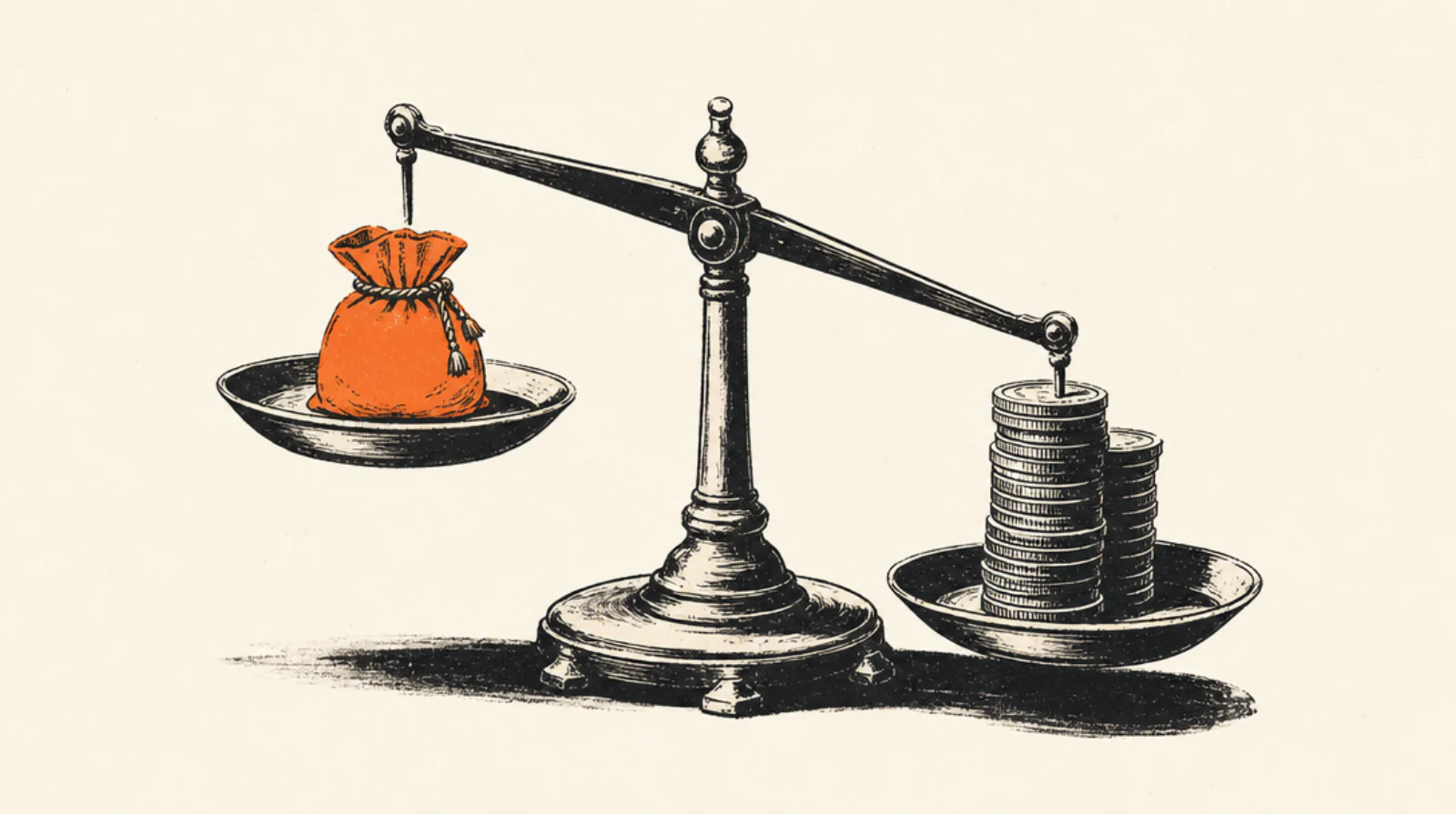
Editorial ink illustration of a brass balance scale weighing a small coin pouch against a tall coin stack, the small pouch in ember orange
GlossaryNovember 22, 2026

What are LTV and CAC?

Lifetime value and customer acquisition cost answer one question together: does each new customer earn back what you spent to get them? Here is how to calculate both.

3 min read
Editorial ink illustration of a kitchen funnel pouring beans into a narrow jar with beans scattered on the counter, the beans in the jar in ember orange
GlossaryNovember 22, 2026

What is conversion rate?

A conversion rate tells you what share of people did the thing you wanted. The trick is choosing the right step, the right denominator and tracking each step of the funnel.

3 min read
Editorial ink illustration of two seed pots on a windowsill with a ruler between them, the taller sprout in ember orange
GlossaryNovember 22, 2026

What is A/B testing?

An A/B test splits users at random between two versions and compares one number. It is simple to set up and easy to get wrong; here is how to run one honestly.

3 min read
Editorial ink illustration of a wooden ramp beside stone steps leading to a front door, the ramp handrail in ember orange
GlossaryNovember 22, 2026

What is WCAG accessibility?

WCAG is the shared rulebook for accessible web content. Here is what levels A, AA and AAA mean, the checks that catch most problems, and a brief for an accessibility pass.

3 min read
Editorial ink illustration of a paper luggage tag tied to a leather suitcase handle, the tag in ember orange
GlossaryNovember 22, 2026

What are meta tags?

Meta tags are labels in a page's head that visitors never see but search engines, browsers and chat apps read. A handful of them matter; the rest you can ignore.

3 min read
Editorial ink illustration of a folded paper city map on a table with pins at the street corners, one pin head in ember orange
GlossaryNovember 22, 2026

What is an XML sitemap?

An XML sitemap is a list of your site's important URLs written for search engines. It helps them find pages faster, especially new ones and ones with few links pointing in.

3 min read
Editorial ink illustration of a stack of photocopies with an original page on top bearing a wax seal, the seal in ember orange
GlossaryNovember 22, 2026

What is a canonical URL?

The same page often answers at several addresses. A canonical tag tells search engines which one is the original, so ranking signals are not split between copies.

3 min read
Editorial ink illustration of a picture postcard propped against a mailbox, the postage stamp in ember orange
GlossaryNovember 22, 2026

What are Open Graph tags?

When you paste a link into a chat and a card appears with a picture and title, Open Graph tags made it. Four tags and one good image cover nearly every case.

3 min read
Editorial ink illustration of a typewriter with a ribbon of paper curling out, the key being struck in ember orange
GlossaryNovember 22, 2026

What is an LLM?

A large language model writes by predicting the next piece of text, over and over. That one trick powers chat, code and summaries, and explains its strange mistakes.

3 min read
Editorial ink illustration of a sliding window frame resting on a long paper scroll on a desk, the window frame in ember orange
GlossaryNovember 22, 2026

What are tokens and the context window?

AI models do not read words, they read tokens, and they can only hold so many at once. Knowing both explains AI bills, forgotten instructions and why shorter prompts often work better.

3 min read
Editorial ink illustration of a confident street sign pointing down a road that ends at a cliff edge, the sign arrow in ember orange
GlossaryNovember 22, 2026

What is AI hallucination?

A hallucination is a confident, fluent answer that happens to be wrong. It follows from how language models work, and the fixes are about grounding and checking, not hoping.

3 min read
Editorial ink illustration of books placed as dots on a star chart in connected clusters, one book-dot in ember orange
GlossaryNovember 22, 2026

What are embeddings?

An embedding is a list of numbers that captures what a piece of text means. Similar meanings get similar numbers, which lets an app search by meaning instead of exact words.

3 min read
Editorial ink illustration of a library book cart with three open books beside a writing desk, the quill in ember orange
GlossaryNovember 22, 2026

What is RAG (retrieval-augmented generation)?

Retrieval-augmented generation is open-book mode for AI: find the right pages first, then answer from them. It is how chatbots answer about your docs without retraining a model.

3 min read
Editorial ink illustration of a workbench with an open toolbox, a swinging hammer and a pinned checklist, the hammer head in ember orange
GlossaryNovember 22, 2026

What is an AI agent?

A chatbot answers; an agent acts. It takes a goal, picks tools, looks at what happened and keeps going until the job is done. Here is the loop, its limits, and how to brief one well.

3 min read

Apps, games, backends and publishing from one conversation.

Product

  • Features
  • Use cases
  • Pricing
  • Changelog

Resources

  • Blog
  • Docs
  • Support
  • Status
  • Security

Contact

  • w@startbase.ai
  • X / Twitter
  • LinkedIn
  • Instagram

Legal

  • Terms
  • Privacy

© 2026 Startbase. All rights reserved.